
Top Advantages of Installing a Residential Elevator for Your Home
Discover the top reasons to install a residential elevator, including improved accessibility, increased property value, space optimization, enhanced safety, and versatile design options. Modern elevators are energy-efficient, customizable, and add a luxurious touch to your home, making them a smart investment for comfort and safety.
Enhance Accessibility and Mobility
One of the primary motivations for installing a home elevator is to improve accessibility across different floors of your residence. Whether you are elderly, disabled, or simply wish to make your home more convenient for family members of all ages, a residential elevator ensures seamless movement between levels. Unlike staircases, which can be challenging or dangerous for certain individuals, elevators provide a safe and effortless means of traversing multiple stories. For homeowners with mobility limitations or balance issues, elevators reduce the risk of falls and injuries associated with stairs. This feature is especially vital for multi-story homes, where navigating stairs daily can become tiresome or hazardous. Emergency evacuations and everyday chores are simplified, giving residents peace of mind.
Increase Property Value and Market Appeal
Adding a home elevator significantly boosts the resale value of your property. Real estate market trends indicate that modern amenities like elevators attract buyers seeking comfort and luxury, thereby enhancing the property's desirability. A house equipped with an elevator stands out among similar properties, potentially leading to quicker sales and higher offers. Furthermore, luxury homebuyers often prioritize features that promise convenience, safety, and future-proofing. Installing an elevator demonstrates a commitment to comfort and accessibility, making your property more appealing to a broader range of prospective buyers.
Optimize Space and Interior Design
Contrary to the misconception that elevators take up excessive space, modern residential elevators are designed compactly, allowing for strategic placement that maximizes your home's functional area. For example, an elevator can replace or supplement staircases, freeing up valuable room space elsewhere. You can install the elevator in locations that best suit your home's layout, such as within a closet, a dedicated shaft, or along an existing corridor. This flexibility enables you to preserve your living room or other communal spaces while maintaining easy access to upper floors.
Boost Safety Measures
Safety is a paramount concern in any home. Traditional stairs pose risk factors such as tripping, falling, or slipping due to uneven treads or obstructions. Small structural defects, like loose stair rails or damaged steps, can lead to accidents, especially in homes with children or elderly residents. A home elevator minimizes these hazards by providing a controlled, secure environment for moving between levels. Advanced elevators come equipped with safety features including emergency stop buttons, door interlocks, and sensors that prevent movement if obstacles are detected. Additionally, some elevators can be integrated with security systems, such as biometric access controls or coded entry, to restrict access to certain floors. This added security can protect against unauthorized entry and enhance overall home safety.
Versatile and Stylish Design Options
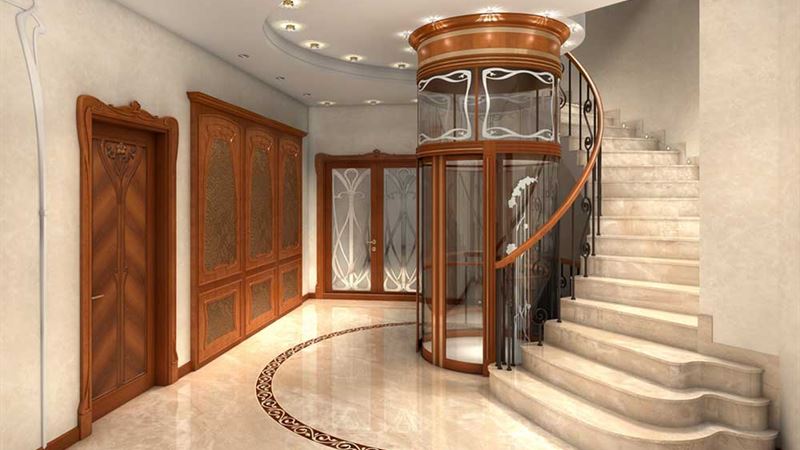
Today's residential elevators are not only functional but also customizable to complement your home's decor. With a variety of materials, finishes, and interior styles available, you can select an elevator that aligns with your aesthetic preferences. From sleek modern designs to classic luxury styles, modern elevators can be designed to enhance your home's interior ambiance. Some models feature panoramic glass panels, LED lighting, and elegant control panels, adding a touch of sophistication. Moreover, these elevators are engineered to be energy-efficient, utilizing advanced pneumatic, hydraulic, or traction drive systems. This means you can enjoy the convenience of an elevator without significantly increasing your household energy consumption.
Energy Efficiency and Eco-Friendly Technologies
Modern home elevators emphasize sustainability with innovative energy-efficient technologies. Pneumatic elevators, for instance, use air pressure to lift the cabin, eliminating the need for bulky machinery and reducing energy use. Hydraulic elevators employ advanced, low-power hydraulic systems with Energy Star certification to minimize power consumption. Energy-efficient features include automatic sleep modes, LED lighting, and regenerative drives that capture energy during operation. These advancements not only reduce environmental impact but also lower operational costs over the lifespan of the elevator.
Conclusion: The Smart Choice for Modern Homes
Integrating a residential elevator into your home offers a multitude of benefits, from enhanced accessibility and increased property value to improved safety and interior design. Whether upgrading an aging property or building a new home, a bespoke elevator provides practical solutions for daily living while adding a luxurious touch. Considering the advancements in technology, safety features, and design options, installing an elevator has become easier, more affordable, and more stylish than ever before. If you aim to invest in your home's future, comfort, and safety, installing a home elevator is undoubtedly a wise choice that will serve your household for years to come.