
Ultimate Guide to Creating Delicious and Perfect Cheesecakes from Scratch
Discover expert tips and step-by-step instructions for baking and creating an array of delicious, perfectly textured cheesecakes. From traditional New York styles to vegan options, this comprehensive guide helps you master every aspect of cheesecake making, including crust preparation, baking techniques, and fun no-bake recipes. Learn about the history of this timeless dessert and explore various flavor ideas to suit your preferences. Perfect for bakers of all levels, this article ensures you'll produce show-stopping cheesecakes for every occasion.
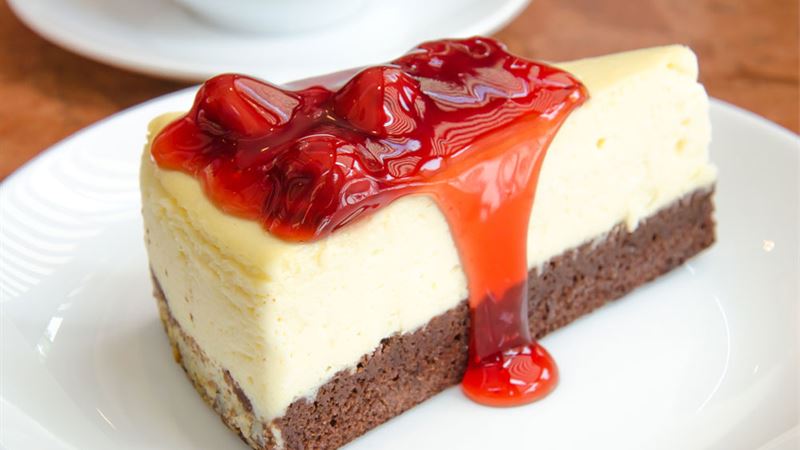
Cheesecake has long been a favorite dessert across the globe, celebrated for its rich, creamy texture and versatile flavor options. Whether you prefer a classic New York style, a fruity berry topping, or a dairy-free vegan version, cheesecakes can be customized to fit any taste or dietary preference. This comprehensive guide explores various types of cheesecakes, step-by-step instructions for baking the perfect cake, tips for creating no-bake varieties, and a glimpse into the origins of this beloved dessert.
Different cheesecakes cater to different palates, ingredients, and presentation styles. From the traditional, dense, and creamy New York cheesecake to light and fluffy fruit-topped varieties, each type offers a unique experience. This article covers how to prepare, bake, and serve a variety of cheesecakes, giving you the confidence to impress friends and family at your next gathering.
Popular Variations of Cheesecake
- Classic New York Cheesecake
- Berry-Infused Cheesecake (Blueberry, Strawberry, etc.)
- Vegan and Dairy-Free Cheesecake
- Chocolate or Mocha Cheesecake
- Seasonal Fruit Cheesecake
Each type of cheesecake can be customized with different toppings, crusts, and flavors to suit personal tastes. Whether you want a rich chocolate base or a light fruit topping, the possibilities are endless.
Essential Equipment and Ingredients
- Cake pans (preferably springform for easy removal)
- Mixing bowls and electric mixers
- Measuring cups and spoons
- Food processor (for crust preparation)
- Oven and water bath setup for baking
The ingredients mainly include cream cheese, sugar, eggs, vanilla extract, and a crust base. Additional components like fruit, chocolate, or dairy substitutes can be added for variety.
Preparing the Crust
Start by creating a sturdy, flavorful crust that complements the creamy filling. Classic crusts are made from crushed graham crackers mixed with melted butter and sugar. For extra flavor, add ingredients such as crushed nuts or shredded coconut. Place the mixture into your chosen cake pan, pressing it firmly into an even layer. You can pre-bake the crust at 350°F (175°C) for approximately 10 minutes to enhance its flavor and texture, or leave it unbaked if making a no-bake variant.
Making the Filling
In a stand mixer, beat softened cream cheese until smooth and creamy. Gradually add sugar and vanilla, blending thoroughly after each addition. Incorporate eggs one at a time, beating well to ensure a uniform batter. For fruit-flavored varieties, fold in pureed or chopped fruit at this stage. If you’re aiming for a lighter texture, some recipes suggest incorporating sour cream or Greek yogurt into the batter.
Baking the Cheesecake
Pour the smooth filling over the crust in your springform pan. To prevent cracks and uneven cooking, bake your cheesecake in a water bath—place the springform pan inside a larger pan filled with hot water up to about an inch below the top of the cheesecake. Bake at 325°F (160°C) for approximately 60-80 minutes, depending on the size and thickness of your cake. The cheesecake is done when the edges are set, but the center still slightly jiggles. Remove from the oven, and cool gradually by leaving the cake in the water bath for about an hour, then transfer it to a wire rack to cool completely.
Cooling and Serving
Allow the cheesecake to cool to room temperature before refrigerating for at least 4 hours, or ideally overnight. This resting period allows the flavors to meld and the texture to firm up. Before serving, carefully unclasp the sides of your springform pan and transfer the cake onto a serving plate. For a polished look, run a knife dipped in hot water around the edges and slice cleanly to serve.
No-Bake Cheesecake Technique
If you prefer a no-bake approach, follow these steps:
- Crush graham crackers in a plastic bag with a rolling pin until fine crumbs are formed.
- Mix crumbs with sugar and melted butter, then press into the base of your springform pan. Chill in the freezer for 10 minutes.
- Beat softened cream cheese with an electric mixer until smooth. Add condensed milk gradually, along with lemon juice and vanilla, and mix until well combined.
- Pour the filling onto the chilled crust and smooth the surface. Refrigerate for 2.5 to 3 hours until set.
- Unclasp the pan, slice, and serve.
Historical Origins of Cheesecake
The origins of cheesecake date back over 4,000 years to ancient Greece. The earliest versions of this dessert were made using a combination of fresh cheese, flour, and honey, baked on earthenware over open flames. The Greeks originally served small cheesecakes to athletes during the Olympic Games. Over time, through Roman influence and culinary evolution, cheesecakes gained popularity across different cultures and regions. Modern recipes have been refined, but the core concept of a creamy, cheese-based dessert remains unchanged.