
Comprehensive Guide to Managing Hypothyroidism Through Diet and Lifestyle
This comprehensive guide explores how diet and lifestyle modifications play a crucial role in managing hypothyroidism. Learn about essential foods to include, foods to avoid, and practical tips for supporting thyroid health naturally. Combining medical treatment with balanced nutrition, regular exercise, and awareness of dietary triggers can significantly improve quality of life for hypothyroid patients and help control symptoms effectively.
- Persistent fatigue and low energy levels
- Frequent mood swings and depression
- Sleep disturbances such as insomnia or excessive sleepiness
- Digestive issues, including constipation
- Slowed metabolism leading to weight gain
- Hair thinning or hair loss
- Infertility or irregular menstrual cycles
- Weak or brittle nails
- Muscle aches, tenderness, or cramps
- Breathing difficulties or shortness of breath
- Dry, rough, or cracked skin
- Enlarged thyroid gland (goiter)
- Reduced libido or reproductive challenges
- Increased susceptibility to colds, flu, or infections
- Eliminating foods that may cause inflammation or immune reactions
- Addressing nutritional deficiencies—particularly iodine and selenium
- Incorporating foods that promote hormonal balance and gut health
- Avoiding dietary triggers that impair thyroid function
- Supporting metabolic processes through balanced nutrition
- Encouraging physical activity as part of a comprehensive health plan
Healthy Fats like Coconut Oil: Rich in medium-chain triglycerides (MCTs), coconut oil boosts metabolism, enhances mood, and reduces inflammation. Its antioxidant properties help combat oxidative stress, supporting overall endocrine health.
Omega-3 Fatty Acids: Found abundantly in fatty fish such as salmon, mackerel, sardines, and herring, omega-3s are essential for maintaining neural and thyroid functions. They also possess anti-inflammatory properties that benefit autoimmune components of hypothyroidism.
Probiotic-Rich Foods: Consuming fermented foods such as yogurt, kefir, sauerkraut, and kimchi helps maintain a healthy gut microbiome, which is integral to hormone regulation and immune health.
Sprouted Seeds and Nuts: Flaxseed, chia seeds, hemp seeds, and walnuts provide alpha-linolenic acid (ALA), a plant-based omega-3 fatty acid that supports hormonal harmony and thyroid efficiency.
High-Fiber Foods: Legumes, berries, leafy greens, and other fiber-rich foods aid digestion, help maintain a stable weight, and prevent constipation—common issues in hypothyroidism.
Bone Broth: Nutrient-dense and soothing, bone broth delivers amino acids that help alleviate fatigue and strengthen immune defenses, contributing to better disease management.
Hydration with Water: Adequate hydration is vital for metabolic processes, toxin elimination, and overall health. Preferably, consume filtered or bottled water to ensure purity.
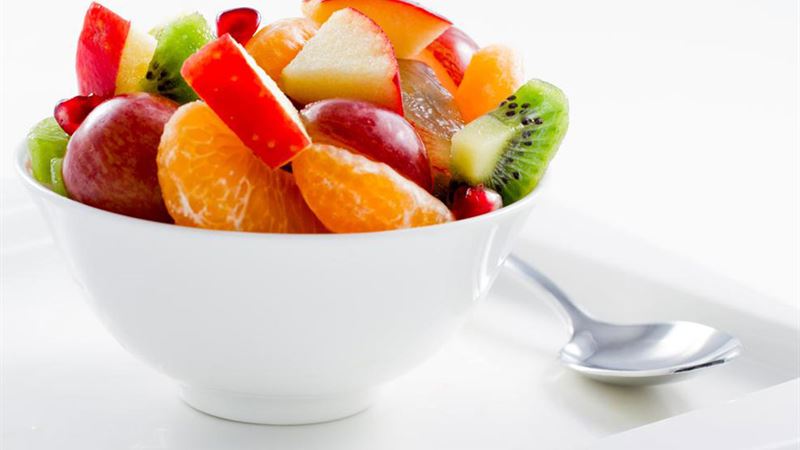
Fruits and Vegetables: Rich in antioxidants, vitamins, and minerals, fresh produce reduces inflammation and supports immune function. Berries, citrus fruits, spinach, kale, and cruciferous vegetables are especially beneficial, with moderation for goitrogenic vegetables.
**Essential Medications and Treatment Approaches**Gluten: Some individuals with hypothyroidism, especially those with autoimmune thyroiditis, are sensitive to gluten. Eliminating wheat, barley, and rye can help improve symptoms.
Conventional Dairy Products: Inorganic dairy can promote inflammation. Opt for organic, hormone-free dairy options whenever possible.
Sugar and Processed Foods: Excessive sugar consumption exacerbates hormonal imbalance, fatigue, and weight gain. Natural sweeteners like honey or jaggery are better alternatives.
Refined Carbohydrates: White bread, pastries, pasta, and processed cereals can cause weight gain and disrupt hormone balance. Choosing whole grains such as oats, quinoa, and brown rice is preferable.
Goitrogenic Vegetables: Cruciferous vegetables like cabbage, broccoli, cauliflower, Brussels sprouts, and soy contain compounds that can impair thyroid hormone production if consumed in large quantities. Cooking these vegetables reduces their goitrogenic effects, and moderation is key.
Packaged and Fast Food: Highly processed, preservative-laden foods contribute to inflammation and hormonal disruption. Fresh, homemade meals are the best choice for managing hypothyroidism effectively.