This comprehensive car maintenance guide details essential routines such as oil changes, tire checks, air filter replacements, battery diagnostics, wiping systems, lubrication, brake inspections, and professional tune-ups. Following these steps ensures your vehicle operates efficiently, safely, and reliably over the years. Regular maintenance not only prevents costly repairs but also prolongs the lifespan of your car, making it a vital part of responsible vehicle ownership. Dive into this detailed checklist to keep your automobile in prime condition and enjoy worry-free driving.
Maintaining your vehicle is crucial for ensuring safety, reliability, and long-term durability. Regular inspections and timely replacements can prevent breakdowns and costly repairs. While each vehicle may have specific requirements detailed in the owner’s manual, there are universal maintenance tasks every car owner should perform or check periodically to keep their vehicle running smoothly. This comprehensive guide provides a detailed overview of essential car maintenance routines that help maintain peak vehicle performance and prolong its lifespan.
Understanding the importance of routine maintenance is the first step toward responsible vehicle ownership. From oil changes to tire checks, these tasks are fundamental in preserving the car’s health and performance. Neglecting regular maintenance not only risks breakdowns but can also compromise safety on the road. This article elaborates on the critical maintenance procedures, how often to perform them, and the best practices to keep your car in prime condition.
1. Regular Oil and Fluid Checks and Changes
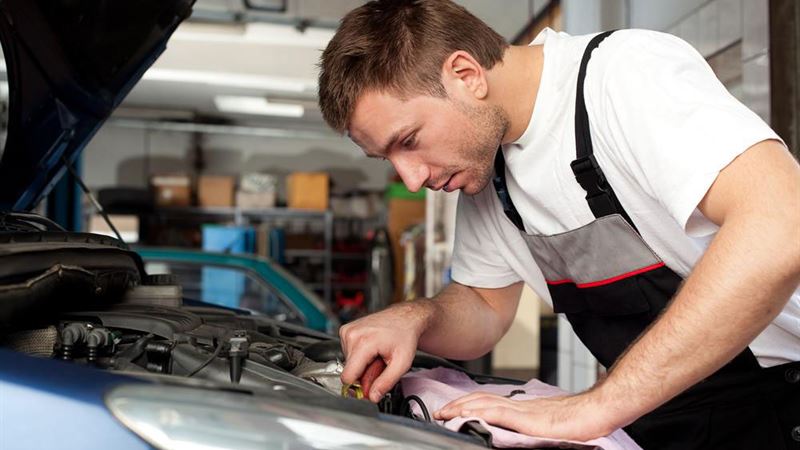
The engine oil acts as the lifeblood of your vehicle, lubricating moving parts to reduce friction and prevent overheating. Following the manufacturer’s recommendations, which is usually every 3,000 to 5,000 miles, you should perform oil changes to keep your engine running efficiently. It’s essential to monitor the oil level regularly and top it up if necessary. Modern vehicles often have precise indicators or dashboards alerting you when the oil is due for a change.
Besides engine oil, other fluids such as transmission fluid, brake fluid, coolant, and power steering fluid require periodic checks. Maintaining the right levels and replacing them according to the vehicle’s manual prevents wear and corrosion, ensuring smooth operation and avoiding breakdowns. Using the correct type of fluids for your specific vehicle model is vital for optimal performance.
2. Tire Maintenance and Inflation
Proper tire maintenance is essential for safety, fuel economy, and tire longevity. Check your tire pressures regularly—at least once a month—and ensure they match the manufacturer’s recommended PSI levels stated in the owner’s manual or on the driver’s side door jamb. Over-inflated tires can lead to less traction and increased risk of blowouts, while under-inflated tires cause uneven wear and reduce fuel efficiency.
Inspect the tires for signs of wear, cracks, or embedded objects. Rotate your tires every 5,000 to 7,000 miles to promote even wear and extend their lifespan. Additionally, check the tread depth; replacing tires when tread falls below 2/32 of an inch is crucial for safety, especially in rainy or snowy conditions.
3. Replacing and Maintaining Air Filters
The engine air filter ensures that dirt, debris, and other airborne particles do not enter the engine, which could otherwise cause damage or reduce efficiency. If your vehicle is driven frequently on open roads or dirt paths, the air filter may need more frequent replacements. Typically, replacing the air filter every 4,000 to 6,000 miles is advisable, but always consult your manual for specific recommendations.
To replace the air filter, refer to the vehicle’s manual or seek online tutorials tailored to your car model. A dirty filter can compromise engine performance, reduce fuel economy, and cause increased emissions. A clean filter maintains proper airflow, ensuring your engine runs smoothly and efficiently.
4. Battery Condition Monitoring
The battery is vital for starting your vehicle and powering electrical components. Regularly inspect your battery for corrosion around terminals, leaks, or cracks—any signs that indicate it’s time for replacement.
Make sure that the terminals are tightly secured and free from corrosion, which can impede electrical flow. If you notice a white or bluish build-up on the terminals, clean them gently with a mixture of baking soda and water. If your battery shows signs of failing, such as slow starting or flickering lights, replace it promptly to avoid being stranded.
In addition to visual inspections, consider testing your battery’s charge level periodically, especially before long trips or during extreme weather conditions. Maintaining a healthy battery ensures your vehicle remains reliable and starts promptly every time.
5. Windshield Wiper and Glass Maintenance
Clear visibility is fundamental for safe driving. Inspect your windshield wipers frequently and replace the rubber blades when they start to crack, harden, or leave streaks on the glass, which reduces visibility during rain or snow. Replacing just the rubber refills is cost-effective and quick, providing a clear view without the expense of installing new wiper assemblies.
Additionally, keep your windshield and windows clean from dirt, debris, and bugs, using appropriate cleaning solutions. Regular cleaning prevents scratching and extends the life of the glass. In winter, ensure your defrosting system is operational and that of your wipers to combat ice buildup effectively.
6. Lubrication and Rust Prevention
Proper lubrication of critical vehicle parts reduces friction, prevents rust, and ensures smooth operation. Apply lubricants to door hinges, locks, and other moving components regularly. Remember that exposure to climate extremes can cause parts to harden or become dry, leading to squeaks, difficulty opening doors, or rust formation over time.
Use suitable lubricants designed for automotive use to protect these parts. Also, consider applying anti-corrosion sprays or rust inhibitors, especially if you live in areas with high humidity or where roads are salted during winter. Proper lubrication extends component life and reduces maintenance costs down the line.
7. Brake System Inspection
The braking system is pivotal for safety. Regularly check the brake pads, rotors, and brake fluid levels. Unusual noises, a soft or spongy brake pedal, or vibrations indicate that your brakes need attention.
Replace brake pads when they reach the minimum thickness specified by the manufacturer, topped with routine rotor inspections for wear or cracks. Maintain clean brake fluid and flush it periodically to prevent moisture buildup, which can cause corrosion or brake failure. A well-maintained braking system enhances your safety and prevents costly repairs.
8. Regular Professional Tune-Ups
While many maintenance tasks are DIY-friendly, periodic professional tune-ups are essential for diagnosing underlying issues. Mechanics can check engine performance, exhaust emissions, and overall system integrity. Scheduling a tune-up based on your vehicle’s service interval, typically every 30,000 miles, can optimize fuel efficiency, reduce emissions, and catch minor problems before they escalate into major repairs.
All these routine checks and maintenance are integral parts of responsible car ownership. Staying proactive ensures your vehicle remains dependable, saves money on repairs, and keeps you safe on the road. Remember, always consult your vehicle’s owner manual for specific maintenance recommendations tailored to your car model.
Maintaining your vehicle is about more than just aesthetics — it’s about safety, efficiency, and longevity. Make these checks a part of your regular routine to enjoy a smooth, trouble-free driving experience for years to come.
