
Comprehensive Guide to Becoming a Certified HVAC Technician
This comprehensive guide explores the essential steps to becoming a certified HVAC technician, including educational options, on-the-job training, apprenticeships, licensing, and certification. Learn how to advance your career in the HVAC industry and gain the skills needed for success. Whether you're starting fresh or considering a career switch, this detailed overview provides valuable insights into each stage of the process of becoming a licensed HVAC professional.
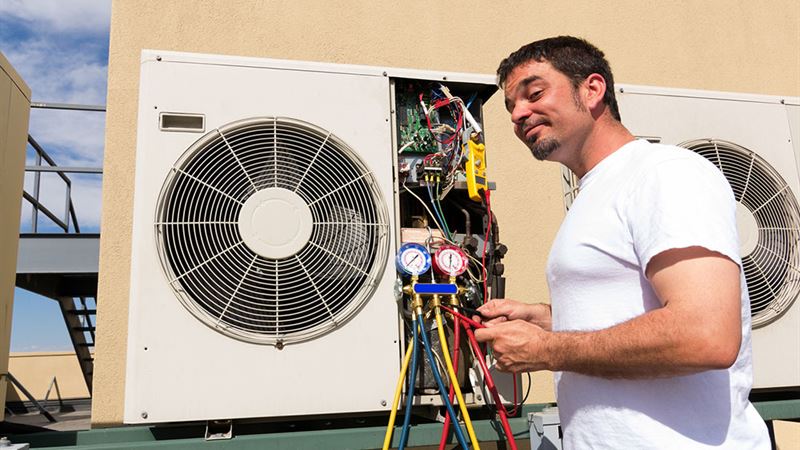
Educational Pathways and Certifications
Aspiring HVAC professionals should consider enrolling in specialized training programs offered by technical colleges, trade schools, and community colleges. These programs typically span from six months to two years and are designed to equip students with essential knowledge of heating, ventilation, and air conditioning systems. Coursework often includes core subjects such as electrical fundamentals, gas properties, furnace operation, fluid hydraulics, boiler systems, piping techniques, and duct installation. Many programs incorporate practical components like internships or apprenticeships, providing students with valuable hands-on experience that prepares them for real-world scenarios.
Learning Practical Skills On-the-Job
For those who prefer a more direct approach, working alongside experienced HVAC technicians offers invaluable learning opportunities. Entry-level positions as helpers or assistants allow trainees to observe and assist with basic repairs, troubleshooting, and system maintenance. As skills develop, they can participate in repairing simple circuits, load system components, and handle minor installations. This mentorship approach helps build confidence and technical competence essential for independent work in the future.
Gaining Certification and Licensing
Formal certifications significantly enhance an HVAC technician’s credibility and job prospects. Many technicians choose to pursue industry-recognized credentials through certification programs offered by organizations like EPA, HVAC Excellence, or NATE. These certifications demonstrate proficiency in handling refrigerants, system diagnostics, and safety protocols. Moreover, licensing requirements vary by state or region; obtaining a license often involves passing written exams and accumulating documented work experience. Achieving licensure is crucial as it allows technicians to operate independently, perform system installations, and undertake complex repairs legally and confidently.
Apprenticeship Programs: A Stepping Stone
Participating in apprenticeship programs is an excellent pathway for gaining comprehensive hands-on experience while earning wages. Many local HVAC industry associations and contractor groups offer apprenticeship opportunities lasting from three to five years. These programs combine on-the-job training with classroom instruction, covering topics such as system design, electrical wiring, refrigerant handling, and code compliance. Successful apprenticeships often culminate in official certification or licensing, certifying that the technician has met industry standards and is qualified for independent work.
Important Licensing Considerations
Licensing is a mandatory step that distinguishes licensed HVAC technicians from unqualified helpers. The specific requirements and application procedures depend on the jurisdiction, but generally include passing written exams, providing proof of work experience, and adhering to safety standards. Holding a valid license not only ensures compliance with local laws but also enhances job security, allows for higher earning potential, and enables technicians to take on independent contracting jobs. Continuous education may be necessary to maintain licensure and stay updated with advances in HVAC technology.