
Common Dietary Triggers That Can Induce Migraines and How to Avoid Them
Learn about common foods that can trigger migraines and practical strategies to avoid them. This comprehensive guide details how nitrate-rich foods, dairy, gluten, citrus fruits, and alcohol influence migraines and offers tips for managing your diet effectively. Taking control of your eating habits can significantly reduce migraine frequency and improve your quality of life through informed choices and lifestyle adjustments.
Understanding the Dietary Factors Behind Migraines
Many individuals who suffer from recurrent migraines often overlook the significant impact that certain foods can have on their condition. Dietary choices play a crucial role in triggering migraine episodes, and recognizing these triggers can be vital in managing and reducing the frequency and severity of headaches. This comprehensive guide explores common foods associated with migraines, how they influence your nervous system, and practical tips to minimize their impact. From nitrates to alcohol, insight into these dietary triggers can help you craft a migraine-friendly eating plan for improved well-being.
1. Nitrate-Rich Foods and High-Sodium Items
The primary culprits include processed meats like sausages, bacon, and deli meats, which are preserved using nitrates. These preservatives convert into nitric oxide in the body, promoting vasodilation, and potentially sparking migraines. Additionally, processed snacks such as salted nuts, cured fish, and pickled foods often contain high sodium levels that contribute to dehydration—a known migraine exacerbator. Maintaining hydration and limiting intake of processed foods can greatly benefit migraine sufferers.
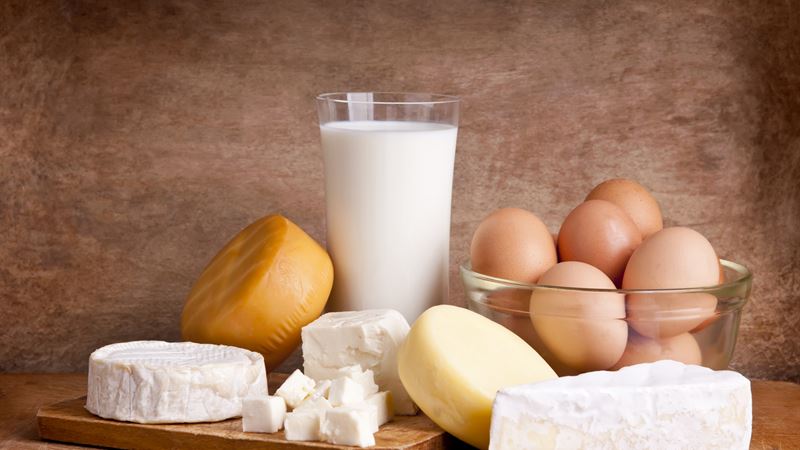
2. Dairy Products and Their Role in Migraines
Foods such as aged cheeses—feta, blue cheese, Gouda, and Parmesan—contain elevated levels of tyramine, a naturally occurring amino acid that forms as cheese ages. Tyramine can induce migraines by affecting blood vessel constriction and dilation cycles in the brain. Fermented dairy products like yogurt, sour cream, and buttermilk can also pose similar risks. Furthermore, dairy contains other amino acids that may promote inflammation, aggravating headache symptoms. For individuals prone to migraines, minimizing consumption of aged and fermented dairy items can be a helpful strategy.
3. Gluten and Wheat-Based Foods
Wheat products contain gluten, which can act as a neurotoxin in susceptible individuals. Gluten consumption leads to blood vessel dilation and increased permeability, allowing fluids and proteins to escape into surrounding tissues, setting the stage for migraines. Additionally, the pesticides and chemicals used during wheat cultivation could enter the bloodstream, provoking inflammatory responses that contribute to headache episodes. By adopting a gluten-free diet, many people report a reduction in migraine frequency. Choosing alternative grains such as rice, quinoa, or millet can support a migraine-free lifestyle.
4. Citrus Fruits and Their Chemical Components
Citrus fruits—such as oranges, grapefruits, lemons, and limes—contain natural compounds that can influence hormone levels related to migraines. Additionally, fruit juices made from citrus fruits often possess high tyramine content and other chemicals that may irritate the stomach and trigger a headache. Gastric irritation from these chemicals can stimulate migraine pathways. For migraine sufferers, reducing or avoiding citrus fruits and juices may lead to fewer episodes. Incorporating non-citrus fruits like berries, apples, and pears can provide essential nutrients without provoking migraines.
5. Alcohol Consumption and Migraines
Alcohol—particularly red wine, beer, champagne, and spirits—are known triggers for many migraine sufferers. In fact, studies suggest that around 35% of migraine cases are linked to alcohol intake. Alcohol causes the dilation of cerebral blood vessels, which increases blood flow and potentially initiates a migraine. Moreover, alcohol acts as a diuretic, leading to dehydration—a well-known migraine precipitant. It also disrupts hormonal balance by suppressing testosterone and interferes with liver function, slowing detoxification. The spike in blood sugar levels caused by alcohol consumption further exacerbates headache risk. To prevent migraines, limiting or avoiding alcohol can be a significant and effective step.
Additional Tips for Managing Your Diet and Migraines
Beyond avoiding specific trigger foods, it’s essential to maintain consistent meal times, stay well-hydrated, and keep a food diary to identify individual sensitivities. Stress management, regular sleep patterns, and incorporating magnesium-rich foods can also help reduce the frequency of migraines. Consulting with a healthcare professional or dietitian may provide personalized guidance tailored to your unique triggers. By making informed dietary choices, many individuals find themselves experiencing fewer migraine attacks and improved quality of life.
A holistic approach combining dietary management, lifestyle changes, and medical support can be highly effective in controlling migraines caused or worsened by diet. Remember, individual responses vary, so paying attention to your body's signals and making gradual adjustments can lead to the best long-term outcomes.