
Dietary Items That May Worsen Iron Deficiency Anemia Symptoms
This comprehensive guide explores foods and beverages that can impair iron absorption, highlighting dietary strategies to manage and improve iron deficiency anemia. It emphasizes understanding how caffeine, dairy, tannins, phytates, and oxalates affect iron bioavailability and offers practical tips for better nutritional choices to support recovery. Whether you’re dealing with anemia or seeking to optimize iron intake, these insights will help you make informed dietary decisions for improved health.
Understanding the Dietary Impact on Iron Deficiency Anemia
Iron deficiency anemia is a widespread condition characterized by a lack of sufficient healthy red blood cells caused by inadequate iron levels. While iron supplementation is a primary treatment, dietary choices play a crucial role in managing and improving this condition. Certain foods and beverages contain compounds that inhibit iron absorption, thereby complicating recovery efforts. Recognizing these foods and knowing how to moderate their intake can significantly influence iron levels and aid in better management of anemia.
1. Beverages Containing Caffeine: Tea and Coffee
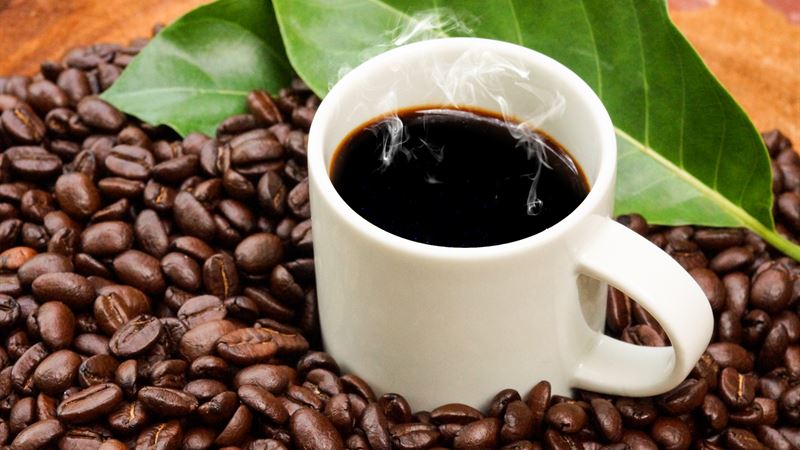
Tea and coffee are staples of many diets worldwide, prized for their stimulating effects. However, both beverages contain tannins and other compounds that impair the body's ability to absorb iron, especially non-heme iron found in plant-based foods. Consuming tea or coffee alongside meals can reduce iron absorption by up to 50%, delaying recovery from anemia. To mitigate this, it is advisable to limit tea and coffee intake during or immediately after meals. Instead, enjoy these beverages between meals to minimize their impact on iron absorption. Studies have indicated that timing your beverage consumption this way can boost available iron in the body by roughly 40%, which is particularly beneficial for individuals struggling with iron deficiency.
2. Dairy Products and Calcium-Rich Foods
Dairy items like milk, cheese, yogurt, and sour cream are excellent sources of calcium, a mineral essential for bone health. However, calcium competes with iron for absorption in the gastrointestinal tract. When consumed in large quantities during meals rich in non-heme iron, dairy products can significantly decrease the amount of iron that your body absorbs. For individuals with anemia, it is best to consume calcium-rich foods at different times from iron-rich meals. For example, having dairy products one to two hours apart from iron-containing meals can help optimize iron absorption without sacrificing nutritional benefits.
3. Foods and Drinks High in Tannins
Tannins are natural polyphenols present in several foods and beverages, notably in grapes, certain grains, and tea. Tannins bind to iron in the digestive tract, preventing its absorption. Red wine and black tea, which contain high tannin levels, are particularly problematic for those with iron deficiency anemia. Green tea contains fewer tannins, and white tea has approximately half the tannin content of black tea, making them slightly more acceptable for anemia management. However, it is wise to avoid high-tannin foods and drinks during main meals and reserve them for times outside mealtimes if possible. Interestingly, canned beans tend to contain fewer tannins than dried or cooked dry beans, providing more flexibility in dietary planning.
4. Phytate or Phytic Acid-Rich Foods
Phytates, also known as phytic acid, are natural compounds found predominantly in the outer layer of grains, seeds, nuts, and legumes. These compounds have a strong affinity for binding minerals like iron, zinc, and calcium, preventing their absorption. Whole grain breads, cereals, and crackers often contain elevated levels of phytates, which can hinder iron uptake from plant sources. While some may believe that avoiding phytate-rich foods enhances iron absorption, a more effective approach is to consume them in moderation. For example, roasting soybeans reduces phytate content compared to boiling. Small adjustments in portion sizes and cooking methods can help maximize mineral absorption while still benefiting from these nutritious foods.
5. Foods High in Oxalic Acid
Oxalic acid is present in foods such as spinach, chard, cocoa powder, and black tea. It has a significant inhibitory effect on iron absorption, reducing bioavailability by up to 50%. Oxalates tend to bind calcium, making it unavailable for absorption and preventing excess buildup that could lead to kidney stones. Since no recommended dietary allowance exists for oxalate, it is prudent for individuals with anemia to limit their intake of high-oxalate foods. Incorporating variety in the diet and balancing high-oxalate items with iron-rich foods can help manage this concern effectively.
In conclusion, dietary choices significantly influence the progression and management of iron deficiency anemia. Avoiding or moderating the intake of foods and drinks that hinder iron absorption is vital for effective treatment. A well-balanced diet, tailored to include iron-rich sources and minimize inhibitors, can greatly enhance recovery and overall health outcomes for those affected by anemia.