
Comprehensive Dietary Strategies for Diabetes Management and Potential Reversal
Explore a comprehensive guide to managing diabetes through specialized dietary choices. Discover foods rich in fiber, antioxidants, and healthy fats that help regulate blood sugar, support insulin sensitivity, and potentially reverse early-stage diabetes. Learn about the role of fruits, vegetables, legumes, nuts, seeds, and medications in maintaining optimal blood glucose levels and improving metabolic health for long-term management.
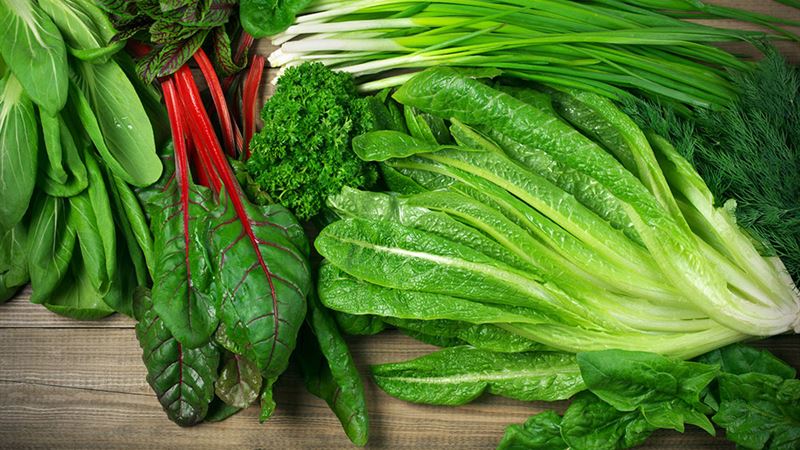
Emphasizing Fruits and Vegetables
Fruits and vegetables form the foundation of a diabetic-friendly diet. Apples are particularly beneficial due to their high soluble fiber content and quercetin, which plays a role in reducing blood sugar spikes and improving overall glycemic control. Regular consumption of apples, ideally daily, can serve as a preventative measure against the onset of diabetes. Citrus fruits such as oranges and grapefruits have low glycemic indices, making them safe options to include in daily meals without risking sharp increases in blood sugar levels. Moreover, berries including raspberries, strawberries, blueberries, and blackberries are packed with antioxidants, vitamins, and minerals that help reduce inflammation, combat oxidative stress, and support metabolic health — all vital for individuals managing diabetes.
Legumes and Healthy Fats
Legumes like beans and lentils are rich in soluble fibers. These fibers slow digestion, leading to a more gradual absorption of glucose, thereby preventing abrupt sugar spikes. Incorporating these foods into meals promotes efficient energy use and stabilizes blood sugar levels. Avocado adds a healthy layer of monounsaturated fats, fiber, and essential minerals that support metabolic health. Regular intake of avocados can improve insulin sensitivity and reduce the risk of associated metabolic disorders. Such foods contribute to a balanced diet aimed at long-term glucose management and disease prevention.
Incorporating Nuts and Seeds
Nuts like almonds, walnuts, pecans, and peanuts are excellent for managing blood sugar. They are low on the glycemic index, high in dietary fiber, healthy fats, and antioxidants. Consuming approximately a quarter cup of nuts daily can significantly lower the risk of developing type 2 diabetes. Seeds such as chia and sunflower seeds are rich sources of dietary fiber, plant-based proteins, omega-3 fatty acids, and antioxidants, which all play crucial roles in reducing inflammation, improving insulin function, and enhancing overall metabolic health. Regular nut and seed consumption is a simple yet effective dietary habit for diabetes management.
Strategies Towards Reversing Diabetes
While managing diabetes primarily involves lifestyle modifications, some practitioners suggest that early-stage diabetes may be reversible through targeted dietary and lifestyle changes. Patients are advised to adopt a balanced, nutrient-rich diet, exercise regularly, and avoid processed foods high in refined sugars and unhealthy fats. In some cases, medical intervention with medications or antibiotics might be incorporated to facilitate faster recovery or manage complications. Always consult with healthcare professionals before making significant changes to treatment or diet plans.
Medication Spotlight: FARXIGA® (dapagliflozin)
Dapagliflozin, marketed as FARXIGA®, is an innovative medication designed to improve glycemic control in individuals with type 2 diabetes. It functions by aiding renal excretion of glucose, effectively lowering blood sugar levels. This medication is generally prescribed alongside lifestyle modifications such as diet and exercise. Patients using FARXIGA® may benefit from discount programs; resources like goodrx.com and rxpharmacycoupons.com often provide savings coupons. Additionally, the manufacturer’s SavingsRx Card can offer savings of up to $400 per month for eligible patients with insurance coverage. As with any medication, proper medical guidance is essential to ensure safety and efficacy.