
Comprehensive Guide to Effective Diabetic Meal Planning for Better Health
This comprehensive guide offers detailed insights into creating effective diabetic meal plans. It covers essential food choices, nutrient benefits, and healthy recipes, emphasizing the importance of balanced nutrition and lifestyle adjustments. Whether managing existing diabetes or seeking preventive tips, readers will find practical advice on incorporating vegetables, fruits, omega-3 rich foods, and whole grains into daily diets to improve health and reduce risks. The article also provides flavorful recipes designed to satisfy taste buds while maintaining blood sugar stability, making it an invaluable resource for a healthier life.
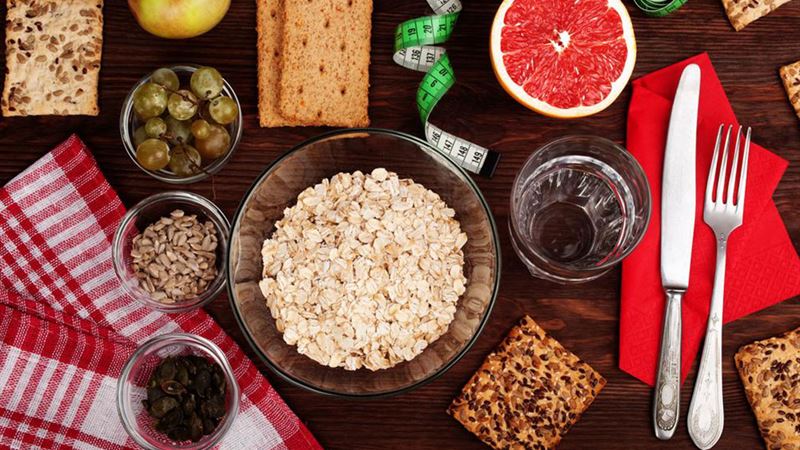
- Incorporating non-starchy vegetables into your diet is crucial for managing diabetes. These vegetables are low in carbohydrates per serving, making them ideal for blood sugar control. Items like asparagus, broccoli, kale, spinach, and cauliflower are excellent choices to include in your diabetic meal plans. They are rich in fiber, vitamins, and minerals essential for overall health and help stabilize blood sugar levels.
- Adequate Vitamin D intake plays a vital role in maintaining strong bones and overall health, especially for individuals with diabetes. Regular sun exposure helps the body produce Vitamin D naturally, and consuming foods fortified with Vitamin D like dairy products, eggs, and fatty fish further supports this need. Proper bone health reduces the risk of fractures and other complications associated with diabetes.
- Tomatoes are versatile and nutrient-rich, suitable for both raw consumption and cooking. They contribute significantly to a diabetic-friendly diet by providing antioxidants, vitamin C, and lycopene, which can help lower inflammation and reduce the risk of heart disease and cancer. Including tomatoes in your meals can be both delicious and beneficial for health.
When planning a diabetic meal, caloric intake and balanced nutrition are crucial. Consult with healthcare professionals or registered dietitians to tailor meal plans according to individual needs. Here are some nutritious, delicious recipes suitable for diabetics:
- Pan-Seared Salmon with Brown Rice, Summer Squash, Tropical Fruits, and Fresh Salad
This meal combines lean protein sources with complex carbohydrates and an array of vitamins from fresh produce, offering a balanced and satisfying option for diabetics. It’s versatile and adaptable to various flavors and preferences. - Spinach and Quinoa Salad with Grilled Chicken Legs and Peaches
An nutrient-dense dish featuring fiber-rich greens, high-protein quinoa, and lean chicken, topped with sweet peaches for added flavor. You can easily include other vegetables to boost nutrients and enhance taste. - Hearty Vegetable Soup
Soups are nourishing, hydrating, and easy to prepare. A vegetable-based soup can serve as an excellent start to any meal, delivering vitamins, minerals, and fiber that aid in blood sugar control and digestion. - Vegetarian Meal Options
Incorporating plant-based meals several times a week offers your digestive system a rest and reduces the burden on your pancreas. Focus on protein-rich vegetables, legumes, and whole grains to maintain balanced nutrition while supporting glucose regulation.
Adopting a balanced, nutrient-rich diet is fundamental for everyone, but especially critical for those managing diabetes. Lifestyle choices, including diet, exercise, and sleep, play a vital role in preventing and controlling this condition. Proper nutrition not only manages blood sugar but also reduces the risk of related complications like heart disease, kidney problems, and nerve damage. Early diagnosis and adherence to a diabetes-friendly diet can make a significant difference in quality of life and long-term health outcomes.