
Effective Dietary Strategies to Reduce Bloating and Promote Digestive Health
Discover natural and effective dietary methods to reduce bloating, improve digestion, and enhance overall gut health. Learn about the best foods, lifestyle changes, and tips to feel comfortable and energetic daily.
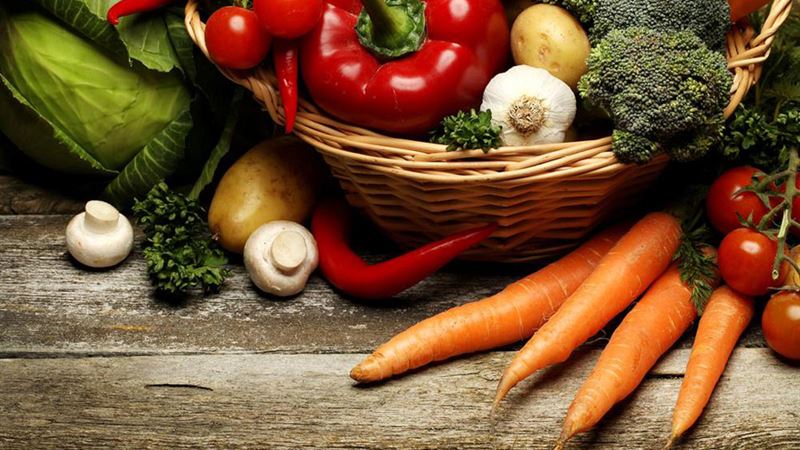
Choosing Easily Digestible Carbohydrates: Integrating lighter, more digestible carbohydrate sources into your meals can make a substantial difference. For example, rice, especially white rice, is recommended by nutrition specialists because it digests quickly and does not produce excess gas. Unlike other starchy foods, rice does not linger in your gut or create fermentation that leads to bloating. Replacing heavier starches such as corn, potatoes, and processed grain products with rice can help alleviate digestive discomfort. You might consider incorporating rice in various forms—boiled, steamed, or as part of rice-based dishes—to make your diet more gut-friendly.
Adopting a Vegetable-Centric Diet: Emphasizing vegetables like celery, cucumber, and parsley can be highly effective in reducing bloating. These vegetables are rich in dietary fiber, which promotes healthy bowel movements and aids in detoxification. Fiber helps move waste through the digestive tract efficiently, preventing constipation and gas build-up. Cooking these vegetables mildly enhances their digestibility while preserving their nutrient content. Incorporate them into your daily meals as soups, salads, or steamed sides to maximize their benefits. Adding these vegetables not only supports digestion but also increases your overall intake of antioxidants and essential vitamins.
Incorporating Bananas for Electrolyte Balance: Bananas are a staple recommendation for reducing bloating, primarily because they are a natural source of potassium. Potassium helps regulate sodium levels in the body, mitigating water retention and puffiness caused by high sodium intake—common in restaurant foods and processed snacks. Regular consumption of ripe bananas can help maintain the delicate mineral balance necessary for proper muscle function and fluid regulation. Enjoy bananas as a quick snack or add them to smoothies and breakfast bowls to boost your intake of this vital mineral.
Choosing the Right Kind of Yogurt: Yogurt is renowned for supporting gut health due to its probiotic content. Selecting plain, unsweetened, and trans-fat-free yogurt ensures you avoid added sugars and unhealthy fats that can cause bloating. Probiotics in yogurt promote beneficial bacteria in the gut, aiding in digestion and reducing gas formation. Incorporate a serving of plain yogurt into your breakfast or snack routine, and consider adding fresh fruits or a drizzle of honey for flavor. Regular consumption of quality yogurt can improve gut flora, minimize bloating, and support overall digestive function.
Additional Dietary and Lifestyle Tips: Besides specific foods, adopting other healthy habits can significantly influence bloating levels. Consuming herbal teas such as green or ginger tea can soothe the digestive system. Fruits like melons, which have high water content, help maintain hydration and flush out excess sodium. Spices like turmeric and ginger possess anti-inflammatory properties that can reduce gastrointestinal discomfort. Lemon juice infused in water can promote digestion and detoxification. It is equally important to limit intake of fried, processed, and high-sodium foods that tend to cause bloating. Regular physical activity, including walking or yoga, enhances digestion and prevents constipation. Good sleep hygiene and hydration are also crucial aspects of maintaining a healthy digestive system and staying fit. Engaging in consistent exercise routines not only helps control weight but also supports mental wellness and overall vitality.