
Top 5 Critical Errors to Avoid During Engine Oil Replacement
Proper engine oil maintenance is vital for vehicle longevity. This comprehensive guide outlines common mistakes to avoid during oil changes, including selecting the right oil, tracking change intervals, using correct filters, measuring oil accurately, and replacing the O-ring. Following these best practices can help prevent engine damage and costly repairs. Regular maintenance, informed part selection, and adherence to manufacturer guidelines are essential for optimal engine health. Protect your investment by performing knowledgeable and precise oil changes, ensuring your vehicle continues to run smoothly and efficiently over the years.
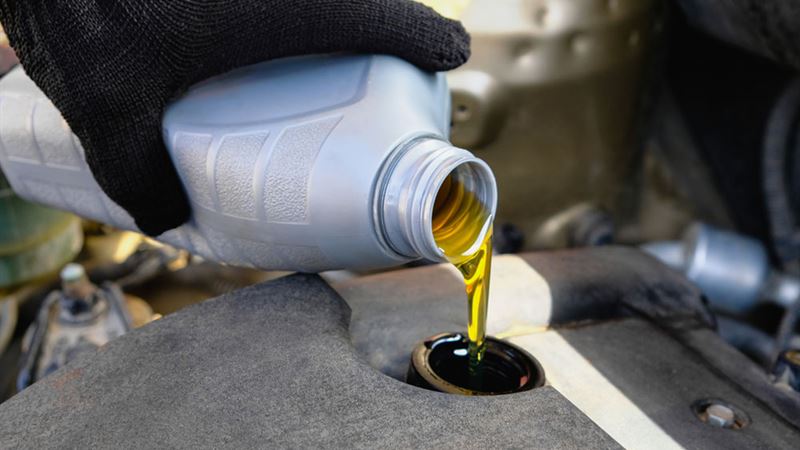
Maintaining your vehicle's engine health is crucial for ensuring optimal performance and longevity. One of the most vital aspects of engine maintenance is regularly changing the engine oil. However, many car owners make common mistakes during this process that can lead to severe engine damage and costly repairs. Understanding these pitfalls and knowing how to avoid them can save your vehicle from unnecessary wear and tear.
Choosing Inappropriate Oil Types and Viscosities
The selection of the correct oil is paramount to engine care. Using the wrong type or viscosity of oil can compromise engine performance and cause damage over time. With options like synthetic, conventional, or semi-synthetic oils, selecting the appropriate one can be confusing for many owners. It is essential to consult your vehicle’s owner's manual or manufacturer's recommendations before purchasing oil. The manual specifies the ideal viscosity grade—be it 0W-20, 5W-30, or other specifics—to match your engine’s needs based on operating temperature and driving conditions. Deviating from these guidelines can result in insufficient lubrication, increased wear, and eventual engine failure.
Neglecting to Track Oil Change Intervals
A common mistake is losing track of when the last oil change was performed. Overlooking the regular schedule impairs engine health. Regular oil changes are recommended based on mileage or time intervals, typically every 5,000 to 7,500 miles or every six months, depending on your vehicle and usage. Failing to adhere to these timelines can lead to oil degradation, sludge formation, and accumulation of debris, all of which impair engine efficiency. To prevent this, it's advisable to keep a maintenance log or use digital reminders. Staying diligent ensures that your engine receives fresh oil at appropriate intervals, significantly extending its lifespan.
Using Incorrect or Incompatible Oil Filters
The oil filter plays a vital role in protecting your engine by removing contaminants and preventing debris from circulating through the engine’s oil system. Many vehicle owners underestimate the significance of choosing the correct oil filter. A mismatched filter or improper installation can cause leaks, reduce filtration efficiency, and allow dirt particles to pass through, accelerating engine wear. Always use high-quality filters that match your vehicle's specifications. Refer to your owner’s manual or consult certified repair shops for recommendations. Proper installation ensures a secure fit, preventing leaks and maintaining oil pressure essential for engine operation.
Overfilling or Underfilling Engine Oil
Accurate measurement of oil quantity during a change is critical. Adding too little oil results in insufficient lubrication, causing increased friction and heat, which accelerates component wear. Conversely, overfilling can create excess pressure inside the engine, leading to oil foaming and reduced hydraulic performance. It can also force oil past seals and create leaks. To avoid these issues, always perform oil fills on a level surface and use the dipstick to measure oil level precisely. Refer to the vehicle’s specifications for the exact amount of oil required. Regularly check the level after filling to ensure optimal lubrication without risking damage.
Failing to Replace the Oil Filter O-Ring
The O-ring seals the oil filter, preventing leaks and maintaining proper pressure within the oil system. Each time you change the oil filter, the O-ring should be replaced as it tends to wear out quickly. Failing to do so can result in oil leaks, which not only waste oil but also compromise engine lubrication. When installing a new filter, ensure the O-ring is properly seated and lubricated to prevent pinching or damage. Always use manufacturer-recommended replacement parts to ensure compatibility and performance. Regularly inspecting and replacing the O-ring maintains a secure seal and protects your engine from damage caused by leaks.
Proper engine oil maintenance is essential for the longevity and performance of your vehicle. Avoiding these common mistakes during oil changes can save you money and prevent major engine repairs. Always follow your car manufacturer’s guidelines, use quality parts and materials, and maintain a regular oil change schedule. With careful attention and proper techniques, you can keep your engine running smoothly and efficiently for years to come.