
Comprehensive Guide to Accessing Free Public Birth Records Across the U.S.
This comprehensive guide explores how to access free public birth records across the U.S., detailing online resources, jurisdictional considerations, and tips for genealogical and legal research. It covers historical records, privacy restrictions, and the best platforms to utilize for genealogical searches, including free and paid services. Learn how to efficiently locate birth records at the county or state level, leveraging indexes and digitized archives. Whether you're tracing ancestors or verifying personal information, this detailed overview will help you navigate the process of finding free public birth data effectively and accurately.
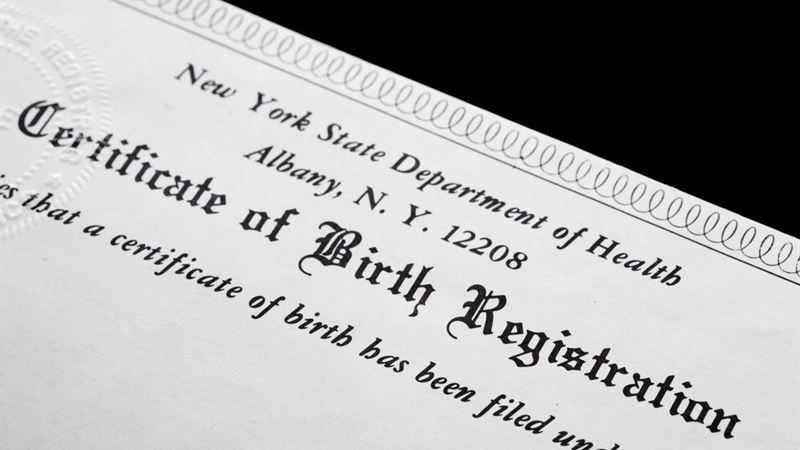
Obtaining free public birth records within the United States can be a vital step for genealogical research, legal verification, or personal record-keeping. However, it's important to understand that such records are not always freely accessible at the national level. Instead, most birth records are maintained at the state or county level, requiring individuals to contact local registries or use online tools to access them. This guide provides detailed information on how to locate and obtain free public birth records, the limitations involved, and available online resources to simplify your search.
Understanding the jurisdiction and the relevant time period is crucial when searching for birth records. In the U.S., birth records are generally classified as confidential for a certain number of years—commonly 72 years—after which they are often released to the public. For records prior to this period, especially those from the late 18th and early 19th centuries, online databases and archives can be particularly helpful. Knowing the individual's year of birth and the specific state or county where the birth occurred narrows down the search significantly.
Most public birth records are recorded at the county level, meaning you need to identify the precise location of the birth—whether that’s a city, county, or state—and then access the relevant registry or archive. Many states have dedicated online portals where you can search for free or at minimal cost. Additionally, census records, which often include birth information, can serve as alternative sources, especially if birth certificates are unavailable.
One valuable resource for accessing historical birth records is online indexing services that aggregate records from various jurisdictions. Some of these indexes cover extensive time spans, such as from 1790 to 1940, and are available to the public at no charge. If the individual’s name appears in the index, it indicates that a matching birth record exists in the archives, making further investigation straightforward. However, due to privacy restrictions, records created within the last 72 years are usually not accessible to the public unless you have legal authorization or proof of kinship.
For those seeking digitized versions of birth records, many online genealogy platforms offer extensive collections. Websites such as ancestry.com have digitized a significant portion of federal census data and state records, providing an accessible means of conducting searches. These platforms often offer free trials, typically lasting 14 days, during which users can perform comprehensive searches without commitment. Utilizing these trial periods allows for in-depth research, especially when seeking information about ancestors or family members.
In addition to paid platforms, free websites like familysearch.org provide access to a wide array of public records, including birth data. FamilySearch is operated by a nonprofit organization and offers numerous records without cost, making it an excellent resource for genealogists on a budget. The site features user-friendly search tools and an extensive database of historical records from around the country.
When searching for free public birth records, patience and attention to detail are essential. Keep in mind that record availability varies significantly depending on state laws, record age, and privacy restrictions. Always verify the jurisdiction and the specific time frame associated with the record you're seeking. Using multiple sources, including online indexes, official government portals, and genealogical websites, greatly increases the likelihood of success.
In conclusion, accessing free public birth records in the United States involves understanding the geographic and legal considerations, utilizing online resources, and knowing where to look within public archives and databases. Whether you are tracing your family history, verifying identity, or conducting legal research, these strategies can help you locate the birth information you need efficiently. Remember to respect privacy laws and use reputable sources to ensure the accuracy and legitimacy of the information obtained.