
Comprehensive Guide to Recognizing and Managing Ingrown Hair
This comprehensive article explores the causes, symptoms, and effective treatment options for ingrown hairs. From common signs and causes to modern solutions like laser hair removal, learn how to manage and prevent this skin condition effectively. The guide emphasizes good hygiene, proper shaving techniques, and professional treatments to achieve smooth, irritation-free skin and reduce recurrence. Perfect for anyone experiencing discomfort or unsightly bumps due to ingrown hair, this detailed overview offers practical advice and comprehensive insights into maintaining healthy skin.
Understanding Ingrown Hair: Causes, Symptoms, and Effective Treatments
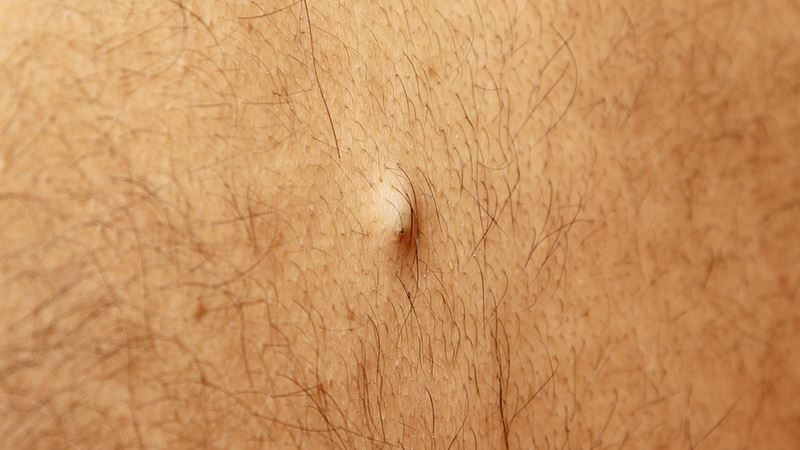
Ingrown hair is a prevalent skin condition that affects individuals across different age groups and genders. Although generally harmless, it can cause discomfort, skin irritation, and aesthetic concerns. Recognizing the signs early and understanding the underlying causes are essential steps toward effective management. This comprehensive guide explores everything related to ingrown hairs—from causes and symptoms to the most effective treatment options, including advanced procedures like laser hair removal.
People with naturally curly or coarse hair are at a higher risk of developing ingrown hair. Such hair tends to curl inward or grow sideways beneath the skin, leading to irritation and inflammation. Individuals who shave, wax, or use other hair removal techniques can also experience ingrown hairs, especially if they use improper methods or do not follow proper skin hygiene. Proper identification of signs and timely treatment can significantly reduce the discomfort and prevent more serious skin complications.
One of the most effective and modern solutions to treat and prevent ingrown hair is laser hair removal. This method not only removes the troublesome hair from the root but also minimizes the chances of future ingrown hairs by reducing hair regrowth. Unlike traditional hair removal techniques that can sometimes exacerbate the problem, laser treatments offer a more permanent and less irritating solution.
The Nature and Origin of Ingrown Hair
Both teenagers and adults frequently encounter ingrown hairs, particularly in areas where hair is dense or curly. The condition arises when sharp hair tips curl back or penetrate into the skin, resulting in small bumps, redness, and sometimes infection. Such occurrences are more common in regions like the beard area, legs, underarms, bikini line, and other body parts with thick or coarse hair.
Understanding the Causes Behind Ingrown Hair
- The formation of ingrown hair can be both genetic and acquired. Some individuals are naturally predisposed due to the structure of their hair follicles or curliness of the hair.
- External skin damage from improper shaving or hair removal methods can predispose skin to ingrown hair. When the sharp end of a hair is cut too close or the skin is nicked, hair can grow sideways or inward.
- Using inappropriate or aggressive shaving techniques—such as shaving against the grain, applying excessive pressure, or shaving too closely—often leads to ingrown hair. The same applies to waxing if performed improperly.
- Waxing with hot wax can sometimes irritate the skin and promote ingrown hair if done improperly or if the skin is sensitive.
- Tight clothing can cause friction and pressure, trapping hairs and contributing to their inward growth.
- Other factors include dead skin buildup, which can block hair follicles and redirect hair growth inward. Excessive exfoliation or neglecting skincare routines may exacerbate this issue.
Recognizing the Symptoms of Ingrown Hair
- Persistent itching or stinging sensation, often accompanied by redness.
- Visible small bumps, sometimes filled with pus, which may become tender or painful.
- Dark or raised spots that resemble hyperpigmentation or minor scars.
- Red or pinkish bumps with a characteristic halo around them, indicating inflammation or infection.
- Post-shaving redness, especially in sensitive areas, with the appearance of pustules or inflamed bumps.
- Infections or pustules resulting from bacteria entering through irritated skin or open follicles, leading to folliculitis.
Although generally not dangerous, ingrown hairs can be uncomfortable, unsightly, and prone to infection if not properly treated. They tend to recur if the root cause isn't addressed, emphasizing the importance of appropriate removal and preventative measures.
Effective Solutions and Modern Treatments
Understanding the best ways to manage and eliminate ingrown hair can significantly improve skin health and appearance. Traditional methods like tweezing or plucking are temporary and can sometimes worsen the problem. Instead, modern approaches such as laser hair removal have gained popularity due to their efficiency and minimal discomfort.
Laser hair removal involves targeting hair follicles with concentrated light, effectively destroying the root and preventing future ingrown hairs. This method is suitable for various skin types and effectively reduces hair thickness and density, making it less prone to curling back into the skin.
It's essential to undergo multiple sessions for optimal results, and the procedure is generally painless or associated with mild discomfort. After treatment, some individuals might experience mild redness or swelling, which subsides quickly. To enhance results, combining laser therapy with proper skincare routines, including moisturizing and exfoliating, is highly recommended.
Other treatment options include topical creams formulated to reduce inflammation and prevent hair from curling inward. These products often contain ingredients like glycolic acid or salicylic acid to exfoliate dead skin and free trapped hairs.
In cases where laser treatments do not fully resolve stubborn ingrown hair, a combination of procedures such as minor surgical extraction or chemical depilation may be advised by dermatologists. Maintaining good hygiene, avoiding tight clothing, and adopting gentle shaving techniques are critical preventive strategies to minimize future occurrences.
Preventive Measures for Avoiding Ingrown Hair
- Always use sharp, clean razors and replace blades regularly to prevent skin irritation.
- Shave in the direction of hair growth, not against it, to reduce the risk of hair curling back into the skin.
- Exfoliate regularly to remove dead skin cells that can clog hair follicles and promote inward growth.
- Keep skin moist and well-hydrated with appropriate lotions and creams, especially before and after shaving or waxing.
- Opt for gentle hair removal methods if you are prone to ingrown hairs—consider laser hair removal as a long-term solution.
- Wear loose and breathable clothing to minimize friction and skin irritation.
- Refrain from waxing or shaving on irritated or inflamed skin to avoid further aggravating the condition.
Final Comments and Summary
Although ingrown hairs are a common and often manageable skin issue, understanding their causes and symptoms can make a significant difference in treatment and prevention. Modern treatments like laser hair removal provide a safe, effective, and long-lasting solution, especially for those with persistent problems. Coupling these procedures with proper skin hygiene and shaving practices can help achieve smooth, irritation-free skin. If you notice signs of ingrown hair persisting or worsening, consult a dermatologist for personalized advice and advanced treatment options. Taking proactive steps now can save you from discomfort and embarrassment later, leading to healthier and clearer skin.