
Comprehensive Guide to Proper Usage and Storage of Ozempic for Managing Diabetes
This comprehensive guide explores how to properly store and administer Ozempic for effective management of type 2 diabetes. Learn about storage tips, injection procedures, precautions, and safety measures to maximize the medication's benefits and minimize risks. Essential for patients and caregivers, this detailed article emphasizes safe handling practices to ensure optimal treatment outcomes and enhance quality of life with diabetes.
Managing diabetes effectively requires a comprehensive understanding of the medications involved, especially injectable options like Ozempic. Diabetes mellitus, particularly type 2 diabetes, affects millions globally, leading to complex health challenges if not managed correctly. Medications such as Ozempic play a vital role in controlling blood glucose levels, but proper storage, handling, and awareness of precautions are essential for maximum benefit and safety. This detailed guide aims to provide in-depth information on how to use and store Ozempic properly, which is critical for both patients and healthcare providers.
Diabetes, especially type 2, represents a significant health concern worldwide. It occurs when the body becomes resistant to insulin or when the pancreas cannot produce enough insulin to meet the body's needs. Elevated blood sugar levels, if unchecked, can cause severe complications such as cardiovascular disease, nerve damage, kidney failure, and visual impairment. The disease manifests symptoms like excessive thirst, unexplained weight fluctuations, frequent urination, numbness or tingling in extremities, sexual health issues in men, and increased susceptibility to infections. Lifestyle modifications, including dietary adjustments, exercise, and periodic blood sugar monitoring, are fundamental in managing the condition. However, many patients require medication, which may include oral drugs or injectable medications like Ozempic, to achieve optimal blood glucose control.
Ozempic, scientifically known as semaglutide, is a glucagon-like peptide-1 receptor agonist designed to enhance the body’s insulin production in response to meals. It is administered via an injection pen and works by stimulating insulin secretion, decreasing glucagon release, and slowing gastric emptying, which collectively help lower blood sugar levels. This medication is especially beneficial for individuals with type 2 diabetes who are inadequately controlled by diet and exercise alone. However, it’s crucial to understand that Ozempic is not suitable for people with type 1 diabetes or diabetic ketoacidosis. Proper knowledge about how to store, handle, and administer Ozempic ensures safety and efficacy.
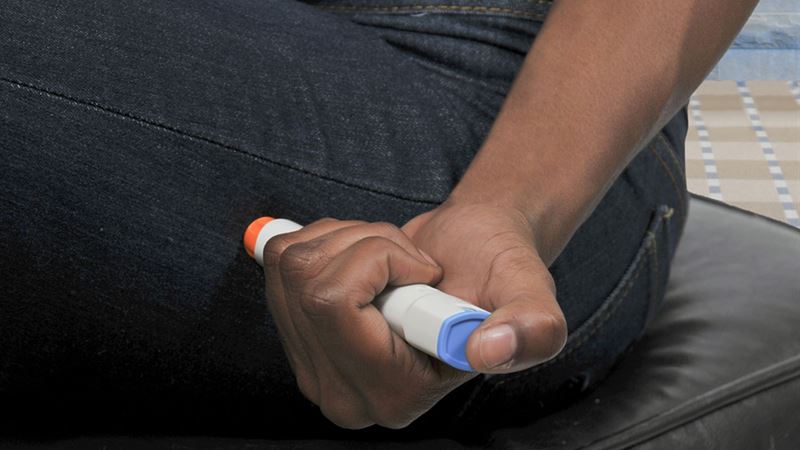
Ozempic comes packaged as pre-filled disposable pens, each containing a specific dose of medication. The correct usage, storage, and disposal of these pens are vital to maintain potency and prevent accidental misuse. This guide covers all essential points to remember when dealing with Ozempic, including storage instructions, injection procedures, precautions, and potential side effects.
Optimal Storage Conditions for Ozempic
- Initially, store unopened Ozempic pens in the refrigerator set between 36°F and 46°F (2°C to 8°C). Keeping the medication at this temperature prevents spoilage and maintains its effectiveness until the expiration date. Do not freeze the medication, as freezing can damage the pen and compromise its reliability.
- Once opened or in use, the Ozempic pen can be kept at room temperature, ideally between 68°F and 77°F (20°C to 25°C), for up to 56 days. This flexibility allows patients to carry out their daily routines without refrigeration worries. Always keep the pen covered with the protective cap to shield it from environmental factors like dust and light, which may affect the medication's stability.
- Store the Ozempic pen away from direct sunlight, heat sources, and humidity. Avoid exposure to extreme temperatures, and never store the medication in the freezer or near a window where it can be exposed to heat and light.
- After each use, safely dispose of the needle or syringe in an approved sharps container. Never reuse syringes or needles, as this can lead to infection or inadequate dosage. Always remove the needle before storing or discarding the pen.
Precautions and Best Practices for Administration
- Follow your healthcare provider’s instructions for dosage and timing. Physicians may adjust your dose based on your blood sugar response, so never alter the dosage without consulting them.
- Thoroughly read the medication guide and instruction leaflet supplied with the Ozempic pen. Proper understanding of the injection technique minimizes discomfort and ensures proper absorption of the medication.
- If unsure about the injection process, seek assistance from a healthcare professional or trained caregiver. It’s important to inject Ozempic correctly to avoid complications or inconsistent dosing.
- Inject the medication into the subcutaneous tissue of the abdomen, thigh, or upper arm. Rotate injection sites regularly to prevent tissue damage or lipodystrophy.
- Never inject in the same site consecutively; allow at least a few centimeters between injection sites to promote proper healing and absorption.
- Check the medication visually before use—do not use if it appears discolored or contains particles. Use only the medication prescribed by your doctor.
Important Safety Information and Patient Guidelines
- Pregnant women or those planning pregnancy should consult their healthcare provider before using Ozempic. The medication could pose risks during pregnancy and breastfeeding.
- Common initial side effects include nausea, vomiting, diarrhea, and constipation. These are usually temporary and tend to improve with continued use.
- Report any sudden or severe side effects to your healthcare provider immediately. Important symptoms to monitor include signs of thyroid tumors such as a lump in the neck, hoarseness, or difficulty swallowing.
- If you experience symptoms indicative of pancreatitis, such as persistent severe abdominal pain, stop using Ozempic and seek medical attention promptly.
- It is vital to have regular follow-up appointments to monitor your health and any adverse reactions to the medication.
In conclusion, Ozempic is an effective tool for managing type 2 diabetes, but it requires careful handling, storage, and adherence to medical advice. Proper storage ensures the medication remains potent, while correct administration techniques maximize its benefits and reduce risks. Always remain vigilant about potential side effects and communicate with your healthcare provider for personalized guidance. With the right knowledge and precautions, Ozempic can significantly improve your quality of life by maintaining optimal blood glucose levels and preventing diabetes-related complications.