
Comprehensive Guide to Heart-Healthy Meal Planning for a Vibrant Lifestyle
Discover detailed strategies for creating heart-healthy meal plans that effectively manage cholesterol levels, reduce cardiovascular risk, and enhance overall wellness. Explore food choices, fat types, fiber-rich options, and lifestyle tips in this comprehensive guide to living healthily.
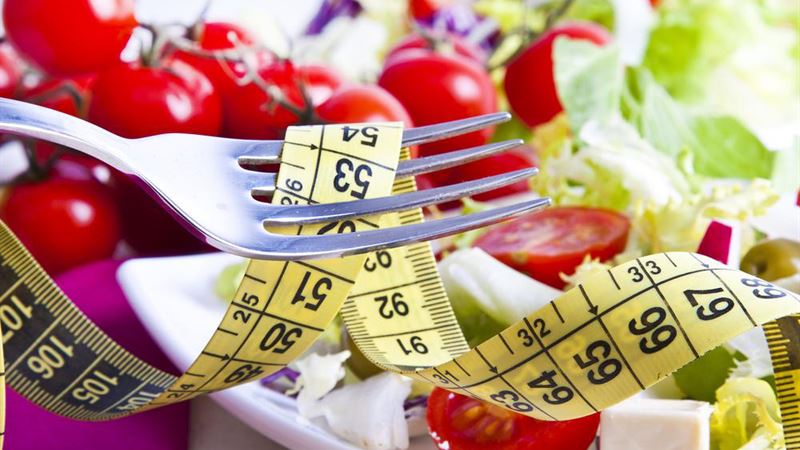
Maintaining optimal heart health is crucial for leading a vibrant and energetic life. One of the most effective ways to promote cardiovascular wellness is through mindful and strategic meal planning. By making smarter dietary choices, you can significantly lower your cholesterol levels, reduce the risk of coronary heart disease, and enjoy a healthier overall lifestyle. This comprehensive guide offers detailed insights into designing nutritious meal plans that support heart health, emphasizing the importance of nutrient-rich foods, healthy fats, fiber, and more.
Prioritize Fruits and Vegetables in Your Diet: Incorporating an abundance of fresh produce is fundamental to a heart-healthy diet. While fruits and vegetables won't directly lower cholesterol, they contribute essential nutrients, fiber, and antioxidants that support vascular health. To maximize their benefits, include colorful vegetables as side dishes, mix them into casseroles, or use them as meat substitutes in various recipes. Fresh fruit smoothies, especially in breakfast routines, are a delicious way to kick-start your day with vital vitamins and antioxidants. Think of adding berries, bananas, or citrus fruits into your smoothies for flavor and health benefits. The key is consistency; making fruits and vegetables a staple part of each meal creates a solid foundation for cardiovascular wellness.
Understanding the Impact of Fats on Cholesterol: Fats are a critical component of diet planning, but the type of fats consumed directly affects cholesterol levels. Saturated fats, predominantly found in dairy products like full-fat milk, cheese, and fatty meats, have been linked to increased levels of low-density lipoprotein (LDL) or 'bad' cholesterol. Elevated LDL cholesterol is a significant risk factor for heart disease. Therefore, replacing saturated fats with unsaturated fats is essential to promoting heart health. Healthy fats found in foods like nuts, seeds, avocados, and olive oil help lower LDL cholesterol levels while providing vital nutrients. Cooking with these healthier fats or adding them to salads and dishes can make a substantial difference in your cholesterol profile.
Boost Fiber Intake with Whole Grains: Dietary fiber plays a vital role in managing cholesterol levels. Incorporate whole grains such as brown rice, whole wheat bread, and whole wheat pasta into your meals. Oats and barley are particularly beneficial; they contain beta-glucan, a soluble fiber that actively reduces LDL cholesterol. Starting your day with oatmeal or barley porridge topped with fresh fruits can promote satiety and improve lipid profiles. Aim to consume at least 3 grams of beta-glucan daily to experience noticeable benefits. Fiber not only lowers cholesterol but also improves digestion and helps maintain a healthy weight, both of which are essential for cardiovascular health.
Smart Fish Choices for Heart Health: Fatty fish like salmon, mackerel, sardines, trouts, and herring are rich in omega-3 fatty acids, which have proven benefits in lowering triglycerides and reducing inflammation. Regularly including these fish in your diet can significantly improve your heart health. Try preparing dishes such as citrus-infused sardines or baked trout sprinkled with almonds. Omega-3 fatty acids not only support heart health but also contribute to better brain function and mood regulation. Incorporate fish into your weekly meal plan, aiming for at least two servings per week. When opting for seafood, choose fresh or frozen options and prepare them using healthy cooking methods like baking, grilling, or steaming.
Incorporate Plant Sterols for Cholesterol Reduction: Plant sterols are naturally occurring compounds found in small amounts in nuts, seeds, vegetable oils, and legumes. Consuming 1.5 to 2.4 grams of plant sterols daily can lower LDL cholesterol by 7-10% within 2-3 weeks. Including sterol-fortified foods such as certain margarines or spreads can enhance your intake. These compounds interfere with cholesterol absorption in the digestive system, thereby helping to keep blood cholesterol levels in check. Regularly adding nuts, seeds, and plant-based oils to your diet contributes to long-term heart health and improves overall lipid profiles.
Adopting a Heart-Healthy Lifestyle: Transitioning to a low-fat, low-cholesterol diet is just part of maintaining cardiovascular health. Combine dietary changes with regular physical activity, maintenance of a healthy weight, and quitting smoking for optimal results. Avoid processed and fast foods high in trans fats and refined sugars. Instead, focus on whole, minimally processed foods that nourish your body. Staying hydrated, getting adequate sleep, and managing stress further enhance your cardiovascular health. Remember, gradual and sustainable changes are more effective than short-term diets. Celebrate small successes and stay committed to your health goals for a better quality of life.
Healthy meal planning is a powerful tool for preventing heart disease and promoting overall well-being. By emphasizing nutritious foods such as fruits, vegetables, lean proteins, whole grains, and healthy fats, you can create a sustainable diet that supports cholesterol management and boosts your vitality. Start incorporating these principles today for a healthier, happier future.