
Top Causes and Remedies for Swollen Finger Pain
Explore comprehensive insights into the common causes of swollen finger pain, including diet, arthritis, and circulation issues. Learn practical remedies and when to seek medical advice to effectively manage this discomfort and improve your finger health.
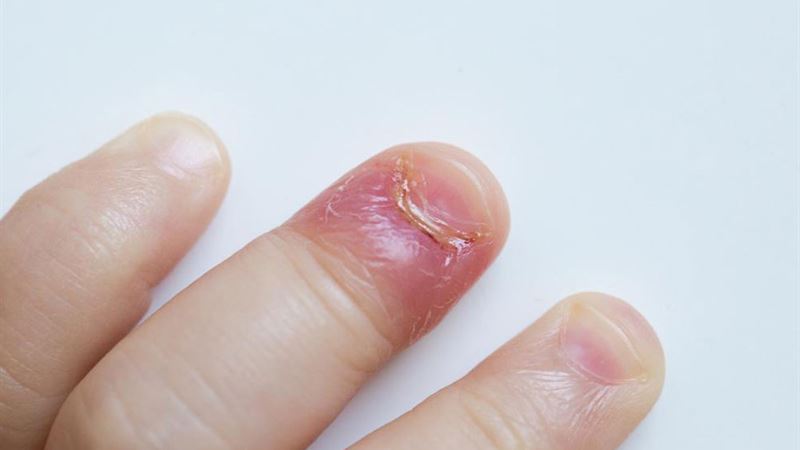
Swollen fingers are a common discomfort that many experience at some point in their lives. While often temporary and harmless, persistent or severe swelling could indicate underlying health issues that require attention. Understanding the primary causes of finger swelling can help you take appropriate measures and seek medical advice when necessary. This comprehensive guide explores the leading reasons behind swollen finger pain, including lifestyle factors, medical conditions, and environmental influences, along with practical remedies to alleviate discomfort.
Excess Salt Intake and Water Retention
One of the most common causes of finger swelling is the patient’s diet, especially high salt consumption. When the salt levels in your body increase, your body responds by retaining more water to balance the salt-to-water ratio. This water retention leads to swelling in various parts of the body, notably in the fingers.
Excessive salt consumption is prevalent in many diets, primarily due to processed foods, fast food, and salty snacks. Foods such as fried chips, instant noodles, canned soups, and restaurant meals tend to be high in salt. Over time, the increased intake causes your kidneys to struggle in maintaining proper fluid balance, resulting in edema or swelling in the extremities, including fingers.
The swelling caused by water retention is generally painless but can become uncomfortable or restrict movement. In mild cases, this condition lasts only a day or two—once salt intake decreases or the body's fluid regulation system resets. However, chronic high salt intake can lead to ongoing swelling, increased blood pressure, and other cardiovascular issues. To reduce this type of swelling, it is advisable to monitor salt intake and incorporate more hydrating foods and fluids into your diet.
Arthritis and Joint Degeneration
In cases where swelling is persistent, especially around the joints of the fingers or knuckles, arthritis might be the culprit. Osteoarthritis, a degenerative joint disease characterized by cartilage breakdown, commonly affects older adults but can occur at any age due to injury or repetitive strain.
When arthritis affects the fingers, it causes swelling, stiffness, pain, and reduced flexibility. The inflammation results from the immune system reacting to joint damage, leading to fluid accumulation within the joint capsules. Besides osteoarthritis, other types of arthritis—such as rheumatoid arthritis, psoriatic arthritis, and gout—can also cause swollen fingers with accompanying redness and warmth.
Managing arthritis-related swelling involves anti-inflammatory medications, physical therapy, lifestyle adjustments, and in some cases, surgical intervention. Early diagnosis is crucial to prevent further joint deterioration and improve quality of life.
Vasospasm and Circulatory Disorders: Raynaud's Disease
Sudden exposure to cold environments or stress can trigger vasospasms—constrictions of blood vessels—that impair circulation in your fingers. This condition, known as Raynaud’s disease, leads to color changes, numbness, and swelling in the affected fingers.
When blood vessels constrict excessively, blood flow to the fingers diminishes, causing them to turn pale or bluish while swelling may also occur. The sensation of numbness or tingling often accompanies these color changes. Symptoms usually resolve once circulation improves, but repeated episodes can cause ongoing discomfort and tissue damage.
Raynaud's is more prevalent among women and individuals with autoimmune conditions. Avoiding cold exposure, managing stress, and sometimes taking medications like vasodilators can help control symptoms and reduce swelling episodes.
Other Potential Causes of Swollen Fingers
Additional factors that may contribute to finger swelling include infections, injuries, allergic reactions, and systemic health conditions such as kidney or liver diseases. Traumatic injuries like fractures or dislocations can lead to swelling due to inflammation and bleeding within tissues. Allergic reactions to insect bites, medications, or contact with irritants can cause localized swelling, redness, and itching.
Certain systemic conditions, including lupus, diabetes, and thyroid disorders, can present with swelling in the extremities as part of broader health manifestations. In such cases, diagnosis and management require comprehensive medical evaluation and treatment.
Practical Tips for Managing Swollen Fingers
To effectively manage and prevent finger swelling, consider adopting the following strategies:
- Maintain a balanced diet low in processed and salty foods.
- Stay well-hydrated by drinking plenty of water throughout the day.
- Engage in regular physical activity to promote circulation.
- Elevate swollen fingers to reduce fluid accumulation.
- Apply cold compresses to alleviating inflammation and pain.
- Wear protective gloves in cold environments to prevent circulatory issues.
- Seek medical advice if swelling persists, worsens, or is associated with other symptoms such as pain, numbness, or color changes.
Understanding the root causes of swollen finger pain enables you to take targeted action and seek the right treatment. Whether lifestyle modifications or medical interventions are necessary, early diagnosis and management can significantly improve your comfort and health outcomes.