
Comprehensive Guide to Common Causes of Knee Discomfort and Pain
This comprehensive article explores the various causes of knee pain, including arthritis, ligament injuries, bursitis, dislocated kneecaps, and overuse syndromes. It highlights the symptoms, risk factors, and treatment options for each condition, emphasizing the importance of early diagnosis and intervention to maintain knee health and mobility. Perfect for those experiencing knee discomfort or seeking detailed medical insights.
Understanding the Root Causes of Knee Discomfort
The knee joint, a vital component of mobility, often endures stress and strain, leading to various types of pain and discomfort. Recognizing the underlying causes of knee pain is essential for effective treatment and management. This detailed guide explores the most prevalent reasons behind knee issues, including degenerative conditions, injuries, and overuse-related problems, providing insights that can help individuals seek timely medical attention and improve their quality of life.
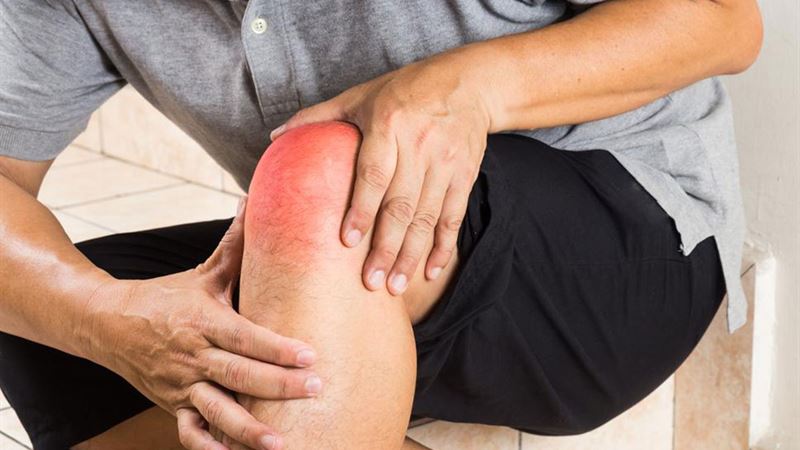
Arthritis: The Leading Culprit of Knee Pain
One of the most widespread causes of knee discomfort is arthritis, a condition characterized by inflammation and degeneration of the joint tissues. Arthritis affects millions worldwide, with a higher incidence in individuals over 50 years old, although younger people, even children, can be affected. It's not a singular disease but a collective term for numerous joint disorders, with osteoarthritis being the most prevalent form. Osteoarthritis develops when the cartilage cushioning the bones begins to wear down, resulting in bones rubbing against each other. This process results in symptoms such as pain, stiffness, swelling, and a restricted range of motion in the knee.
The progression of osteoarthritis is insidious, often worsening over time. Contributing factors include aging, excess weight, genetic predisposition, previous joint injuries, and infections that may damage joint tissues. Unfortunately, current management strategies for osteoarthritis are primarily aimed at symptom relief, as the degenerative changes are irreversible. As cartilage wear accelerates, the pain and functional impairment deepen, impacting daily activities such as walking, climbing stairs, and standing for extended periods.
Rheumatoid arthritis is another form of inflammatory joint disease affecting the knees. It involves an autoimmune response where the body's immune system mistakenly attacks the synovial membranes surrounding the joint. This autoimmune attack causes thickening, inflammation, and eventually destruction of cartilage and bone within the joint, leading to persistent pain and deformity if untreated. Rheumatoid arthritis often presents with symmetrical joint involvement and systemic symptoms like fatigue and fever.
Post-traumatic arthritis occurs as a consequence of previous injuries such as ligament tears, fractures, or dislocations. Damage sustained during trauma can disturb the joint's normal architecture, leading to cartilage deterioration over time. Repeated injuries or inadequate treatment can exacerbate the condition, resulting in chronic pain, stiffness, and swelling that impair mobility.
Knee Ligament Injuries and Their Impact
Knee stability relies heavily on the integrity of its ligaments, including the anterior cruciate ligament (ACL), posterior cruciate ligament (PCL), medial collateral ligament (MCL), and lateral collateral ligament (LCL). These tissues connect bones and provide essential support during movement. Often, sports-related activities or accidents cause sprains or tears in these ligaments, leading to acute knee pain, instability, and swelling. An ACL tear, for example, is notorious among athletes and frequently requires surgical intervention if a complete rupture occurs.
In addition to pain, ligament injuries can result in a feeling of the knee giving way, locking, or a sense of instability, hampering normal function. Proper diagnosis through physical examination and imaging studies is crucial to determine the severity of the injury and to plan appropriate treatment, which may range from conservative management with rest and physiotherapy to surgical repair or reconstruction.
Bursitis: Inflammation of the Bursal Fluid Sac
Bursae are small, fluid-filled sacs located around the knee joint that serve as cushions to reduce friction between tendons, muscles, and bones. Overuse, repeated kneeling, falls, or direct trauma can irritate these sacs, leading to bursitis. The condition manifests as localized pain, tenderness, swelling, and warmth around the knee, often worsening with activity.
Bursitis is common among individuals engaged in activities that involve frequent kneeling, such as gardening, roofing, or certain sports. Treatment typically includes rest, ice application, anti-inflammatory medications, and in some cases, aspiration of excess fluid. Preventive measures involve alleviating pressure on the knee and avoiding repetitive motions that exacerbate inflammation.
Dislocated Kneecap and Its Consequences
The kneecap, or patella, can become dislocated due to sudden impacts, twisting motions, or accidents. Dislocation occurs when the patella slips out of its normal groove on the femur, often moving laterally. This injury results in immediate pain, swelling, deformity, and difficulty in straightening or bending the knee.
Addressing a dislocated kneecap requires prompt medical intervention to realign the joint and prevent further damage. Recurrent dislocations may need stabilization procedures or physiotherapy to strengthen surrounding muscles and support joint stability, reducing the risk of future episodes.
IT Band Syndrome: Overuse and Inflammation
The iliotibial (IT) band is a thick strip of connective tissue running from the outer hip to the outer knee. It plays a crucial role in stabilizing the knee during movement. Overuse, excessive running, especially downhill running, or improper biomechanics can cause this band to become inflamed and swollen, leading to pain on the outer side of the knee.
This condition is particularly prevalent among runners and athletes engaged in repetitive leg movements. Symptoms include sharp or aching pain during activity, which may diminish with rest. Treatment involves stretching, strengthening exercises, activity modification, and in chronic cases, physical therapy or corticosteroid injections.
Loose Cartilage and Joint 'Catching'
Knee injuries can sometimes result in fragments of cartilage breaking free and floating within the joint cavity. These loose bodies can impede normal joint movement, causing a sensation of catching, locking, or giving way. The presence of such loose cartilage pieces often results in swelling and persistent discomfort, especially during activity. Diagnosis is confirmed via MRI, and treatment may involve arthroscopic removal of loose fragments to restore joint function.
Osgood-Schlatter Disease: Developmental Knee Pain in Youth
This condition predominantly affects children and adolescents during periods of rapid growth. It involves inflammation at the attachment site of the patellar tendon to the tibial tuberosity, resulting in a painful bump underneath the knee. Overuse or repetitive tension from sports like jumping or running exacerbates the condition, leading to knee pain that fluctuates over time.
While Osgood-Schlatter disease typically resolves with rest and activity modification, persistent symptoms may require physical therapy or protective pads to reduce stress on the growth plate.
Patellar Tendinitis: 'Jumper's Knee'
Patellar tendinitis involves inflammation of the tendon connecting the kneecap to the shinbone. It commonly occurs in athletes engaged in jumping sports, such as basketball or volleyball, due to repetitive stress. This overuse injury causes anterior knee pain, especially during activity and after prolonged exertion. Rest, ice, and physiotherapy are effective treatments, with some cases requiring corticosteroid injections or surgical options.
Patellofemoral Pain Syndrome: Alignment and Muscle Imbalance
This syndrome results from misalignment, muscle imbalance, or tightness around the knee joint, leading to pain between the kneecap and thigh bone. It often causes symptoms like knee buckling, pain after prolonged sitting, or difficulty climbing stairs. It is more prevalent in males and young females, especially those involved in sports or activities requiring knee extension. Treatment focuses on strengthening supporting muscles, correcting alignment issues, and avoiding aggravating activities.
Persistent or severe knee pain should never be ignored. Early medical consultation ensures proper diagnosis and tailored treatment strategies, helping restore mobility and reduce discomfort effectively.