
Dietary Tips and Foods to Combat Constipation Effectively
Discover effective dietary strategies and food choices to relieve constipation naturally. Learn which high-fiber foods to include, foods to avoid, and lifestyle tips to promote regular bowel movements and improve digestive health. Incorporate tips that can help ease discomfort, enhance stool consistency, and maintain overall gut wellness for a healthier, more comfortable life.
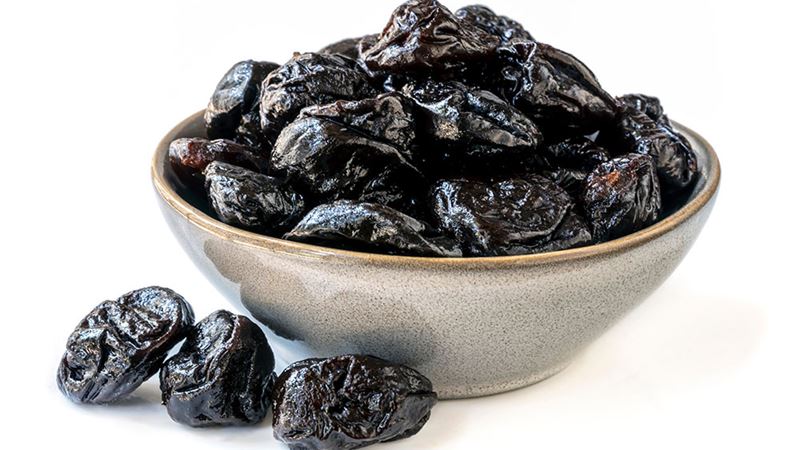
Constipation is a common digestive issue that can cause discomfort, bloating, and irregular bowel movements. It often results from a diet lacking in sufficient fiber, dehydration, or sedentary lifestyle. Fortunately, making specific dietary changes can significantly alleviate and prevent constipation. Eating high-fiber foods, staying well-hydrated, and avoiding certain trigger foods are crucial steps toward maintaining healthy digestive function and achieving regular bowel movements. This comprehensive guide explores the best foods to incorporate into your diet, those to avoid, and additional tips to promote gut health.
One of the most effective strategies to relieve constipation is increasing your intake of dietary fiber. Fiber adds bulk to stool, making it softer and easier to pass through the intestines. There are two primary types of fiber—soluble and insoluble—and both play critical roles in gut health. Soluble fiber dissolves in water, forming a gel-like substance that slows digestion and aids in stool formation, while insoluble fiber adds bulk directly, helping food pass quickly through the digestive system.
- Incorporating Fiber-Rich Fruits: Apples and Berries
- Choosing Whole Grains: Oats, Quinoa, and Brown Rice
- Adding Seeds and Legumes: Chia seeds, Flaxseeds, and Lentils
- Vegetables for Better Digestion: Leafy greens, Carrots, and Broccoli
Among the top foods for promoting bowel movements are apples, which are rich in both soluble and insoluble fiber. Eating raw and whole apples ensures maximum fiber intake, which helps water content in the colon increase, softening stool and expediting its passage. Additionally, apples contain pectin, a type of soluble fiber that forms a gel-like substance to ease defecation.
Oats are a nutritional powerhouse, packed with soluble fiber that holds water and creates a soft, bulky stool conducive to regular bowel movements. Instead of refined grains like white bread, replacing them with oats or other whole grains such as brown rice and quinoa can dramatically improve digestive health. Whole grains not only supply fiber but also encourage a healthier gut microbiome.
Chia seeds are one of the highest fiber content foods available. They contain around 85% insoluble fiber and 15% soluble fiber, which allow them to absorb water up to 12 times their weight. Soaking chia seeds in water or milk creates a gel that softens stool and increases its bulk, leading to easier and more comfortable bowel movements. Incorporating chia seeds into smoothies, yogurt, or oatmeal can be an effective natural remedy for constipation.
Beyond foods to eat, some dietary habits can exacerbate constipation—most notably, dairy products and red meats. Milk, cheese, butter, and ice cream are high in fat and low in fiber, which can slow digestion and harden stool. Some individuals find eliminating or reducing dairy intake helpful. Red meat contains no fiber and is high in saturated fat, which can cause sluggishness in the digestive tract. Limiting fried foods, including French fries, fried chicken, and doughnuts, is also vital, as these greasy items are difficult to digest and can lead to hardened stools.
Hydration also plays a key role in preventing and relieving constipation. Drinking plenty of water throughout the day helps fiber do its job effectively by softening the stool. Additionally, incorporating beverages like herbal teas or warm lemon water can stimulate digestive activity.
In some cases, dietary adjustments alone may not suffice. Certain over-the-counter medications can assist in alleviating constipation:
- FiberCon: An oral supplement increasing stool bulk, facilitating easier bowel movements. Common side effects include abdominal cramping and gas.
- Correctol: A stimulant laxative that enhances intestinal motility, promoting quicker transit of stool. Possible side effects are stomach pain and cramps.
- MOVANTIK: Prescribed for opioid-induced constipation, working by blocking opioid receptors in the gut. Side effects may include stomach discomfort, diarrhea, and withdrawal symptoms.
While dietary and lifestyle changes are the primary approach to manage constipation, understanding which foods to consume and avoid can lead to significant improvements. Maintaining a balanced diet rich in fiber, staying hydrated, exercising regularly, and avoiding processed greasy foods contribute to overall digestive health and regular bowel movements.
By adopting these habits and dietary tips, you can significantly reduce the discomfort associated with constipation, support your digestive system, and lead a healthier, more comfortable life. Always consult with a healthcare professional if constipation persists or worsens, as it may be a symptom of an underlying medical condition needing specialized treatment.