
Comprehensive Dietary Guidelines for Managing Gout: Foods to Include and Avoid
Discover comprehensive dietary strategies for managing gout effectively. Learn which foods to prefer, such as low-purine vegetables, fruits like cherries, and low-fat dairy, and identify foods to avoid, including organ meats, shellfish, and sugary drinks. This guide emphasizes the importance of hydration, fruits, vegetables, and plant-based proteins to reduce inflammation and uric acid levels. Consulting healthcare professionals ensures personalized advice. Implementing these dietary changes can significantly lessen gout attacks, improve joint health, and elevate overall well-being, making gout management a sustainable lifestyle choice.
Understanding Gout and the Role of Diet
Gout results from the accumulation of uric acid crystals in the joints, leading to inflammation and pain. Uric acid is a waste product formed when the body breaks down purines, substances found naturally in many foods. When uric acid levels surge beyond the body's ability to eliminate it efficiently, crystals form, triggering gout attacks. Therefore, managing purine intake through diet is fundamental to controlling this condition.
In addition to genetic predispositions and lifestyle choices such as alcohol consumption and obesity, dietary habits directly influence uric acid levels. A diet low in purines, fructose, and alcohol can greatly decrease the likelihood of gout flare-ups, promoting joint health and overall well-being.
Foods to Embrace for Gout Management
- Unprocessed Nuts and Seeds: These are excellent sources of healthy fats, protein, and fiber, all of which contribute to better joint health without increasing uric acid levels. Almonds, walnuts, flaxseeds, chia seeds, and sunflower seeds are highly recommended.
- Legumes: Plant-based protein sources such as lentils, chickpeas, tofu, soybeans, and black beans are generally safe for gout sufferers and can serve as nutritious alternatives to meat.
- Whole Grains: Foods like brown rice, quinoa, barley, oats, and whole wheat products are rich in fiber and have a low purine content, making them suitable staples in a gout-friendly diet.
- Healthy Plant Oils: Incorporate oils such as extra virgin olive oil, canola oil, flaxseed oil, and coconut oil to support overall health without elevating uric acid levels.
- Dairy Products: Low-fat or fat-free options like skim milk, yogurt, and cheese are beneficial because they contain proteins that may help lower uric acid and reduce gout risk.
- Vegetables: All vegetables, including leafy greens, bell peppers, carrots, cucumbers, and squash, are safe and promote overall health. Crucially, vegetables high in purines, such as spinach and asparagus, are still safe in moderation.
- Beverages: Hydration is vital; thus, drinking plenty of water, along with beverages like green tea, black coffee, and herbal teas, can help flush out excess uric acid.
- Herbs and Spices: Use flavorings like turmeric, ginger, garlic, cinnamon, and basil to enhance taste without adding harmful ingredients that could exacerbate gout symptoms.
- Fruits: Fruits, especially cherries, berries, citrus fruits, and apples, are rich in antioxidants and have been shown to reduce inflammation and uric acid levels, thereby preventing gout attacks.
Foods and Substances to Limit or Avoid for Gout Control
- High-Purine Foods: Avoid organ meats such as liver, kidneys, and brain, which are loaded with purines.
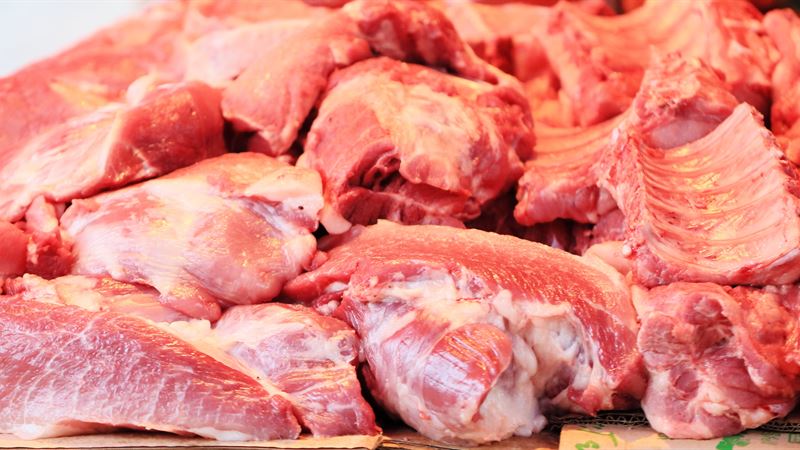
- Meat and Game: Limit or abstain from red meats like beef, veal, and mutton, as well as game meats such as venison and pheasant.
- Seafood: Steer clear of fish high in purines, including mackerel, sardines, tuna, anchovies, and herring, along with shellfish like shrimp, crab, lobster, and scallops.
- Processed and Fast Foods: Reduce consumption of processed meats like sausages, deli meats, and preserved foods, which often contain high levels of purines and additives detrimental to joint health.
- Sugar-Sweetened Beverages: Avoid soft drinks, energy drinks, and fruit juices with added sugars, particularly those high in fructose, which can spike uric acid levels even if purine content is low.
- Sweeteners and Confectioneries: Limit intake of honey, corn syrup, agave nectar, candies, cakes, cookies, and other sugary treats that may worsen gout symptoms.
- Yeast and Yeast-Containing Products: Foods like bread and beer contain yeast, which can increase uric acid levels and should be consumed sparingly.
- Alcohol: Beer, wine, and spirits are known to elevate uric acid and should be avoided or consumed in moderation.
Understanding the Impact of Diet on Gout Flare-Ups
Research indicates that dietary choices significantly influence gout attacks. While some high-purine foods may not always trigger flare-ups, others, especially those rich in fructose like sugar-sweetened drinks, can accelerate uric acid production, leading to sudden attacks. Consuming excessive processed foods and alcohol further impairs uric acid excretion, exacerbating the condition. Therefore, adopting a diet emphasizing plant-based, low-purine foods, and maintaining adequate hydration is essential for effective management.
Always remember, individual responses to specific foods vary. Consulting healthcare professionals, including doctors and registered dietitians, ensures personalized dietary recommendations that best suit your health status and lifestyle. Regular monitoring of uric acid levels and adherence to medical advice constitute the cornerstone of successful gout management.
Managing gout through diet is both achievable and sustainable. Making simple but consistent dietary adjustments can dramatically improve quality of life, reduce painful attacks, and support overall health. Embrace a balanced diet rich in anti-inflammatory foods, stay hydrated, and seek professional guidance to maintain optimal joint health.