
Common Causes and Triggers of Gout Foot Pain: How to Prevent Flare-Ups
Gout foot pain can be significantly managed by identifying and avoiding its common triggers. This comprehensive guide discusses dietary and lifestyle factors that contribute to gout attacks, and offers practical strategies for prevention. From purine-rich foods and alcohol to dehydration and stress, learn how to reduce flare-ups through effective lifestyle changes and medication adherence, ensuring better joint health and quality of life.
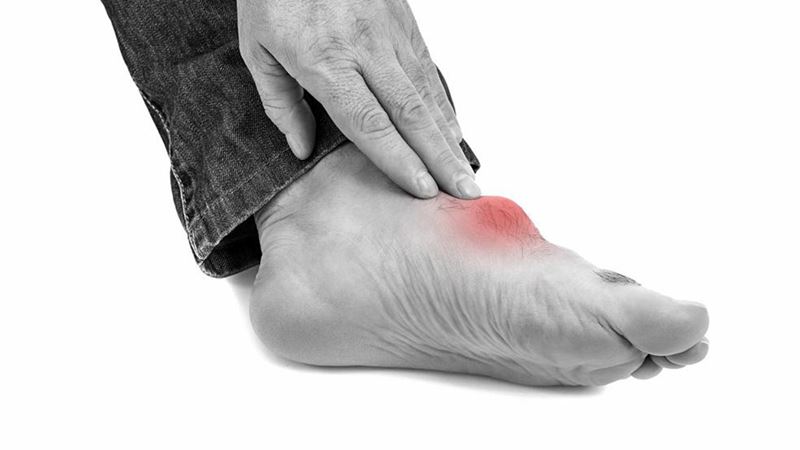
Gout is a complex form of arthritis characterized by sudden, severe attacks of pain, redness, and swelling in the joints, especially the feet. Managing gout effectively requires a comprehensive understanding of the factors that trigger these painful episodes. While medication plays a vital role in treatment, lifestyle and dietary modifications are equally important to prevent flare-ups. Identifying and avoiding known triggers can significantly reduce the frequency and severity of gout attacks, helping individuals maintain better joint health and overall well-being.
Gout predominantly affects the joints due to the accumulation of uric acid crystals. Uric acid is a waste product formed when the body breaks down purines, compounds found naturally in the body and in various foods. When uric acid levels become elevated—a condition known as hyperuricemia—it can lead to crystal formation in the joints, resulting in painful gout episodes. The key to effective management lies in understanding what factors contribute to increased uric acid levels or crystal formation, and implementing strategies to minimize these triggers.
Dietary Factors That Contribute to Gout Attacks
- High-Purine Foods: Foods rich in purines can significantly elevate uric acid levels. These include red meats such as bacon and turkey liver, as well as seafood like sardines, mussels, and salmon. Certain vegetables such as spinach, mushrooms, and asparagus contain moderate purines and should be consumed with caution, especially during flare-ups.
- Alcohol Consumption: Alcohol, especially beer, is a well-known trigger for gout attacks. Beer is particularly problematic because it contains purines from yeast and is metabolized into lactic acid, which hampers the kidneys' ability to clear uric acid efficiently. Drinking alcohol can lead to sudden increases in uric acid levels, provoking painful gout episodes.
- Sugary Beverages: Drinks sweetened with high fructose corn syrup, including non-diet sodas and fruit drinks, stimulate the production of uric acid in the body. Fructose accelerates purine breakdown, making such beverages significant contributors to hyperuricemia.
- Dieting and Low-Calorie Diets: Extreme or crash diets may cause the breakdown of body tissues, releasing purines and leading to increased uric acid levels. This breakdown can precipitate gout attacks, especially if hydration is inadequate.
Other Lifestyle Triggers
- Dehydration: Not drinking enough water reduces the efficiency of the kidneys in eliminating uric acid. Concentrated uric acid in the bloodstream increases the risk of crystal formation and joint inflammation.
- Medications: Certain medications used for controlling blood pressure—such as diuretics—can interfere with uric acid elimination, heightening the risk for gout attacks.
- Stress and Mental Health: Elevated stress levels are linked with increased flare-ups. Stress depletes essential nutrients like pantothenic acid (Vitamin B5), which plays a role in uric acid metabolism. Consequently, managing stress is a critical aspect of gout prevention.
Additional Factors That Influence Gout Flare-Ups
Other behaviors and conditions can also impact gout severity. For example, sedentary lifestyles contribute to weight gain, which is associated with higher uric acid levels. Obesity increases the risk of gout and complicates its management. Additionally, certain medical conditions such as hypertension and metabolic syndrome are often linked with hyperuricemia and gout. Recognizing and addressing these contributing factors through lifestyle modifications and appropriate medical intervention is essential for controlling gout effectively.
Strategies for Managing and Preventing Gout Attacks
- Medication Adherence: Taking prescribed medications to lower uric acid levels or alleviate pain is fundamental. These may include urate-lowering therapies, anti-inflammatory drugs, and pain relievers.
- Dietary Modifications: Reducing intake of purine-rich foods, limiting alcohol consumption, and avoiding sugary beverages can help keep uric acid levels in check. Incorporating a balanced diet rich in fruits, vegetables, and whole grains supports overall health.
- Hydration: Drinking plenty of water—aim for at least 8-10 glasses daily—helps the kidneys flush out uric acid more effectively.
- Weight Management: Maintaining a healthy weight through regular exercise and a balanced diet reduces stress on joints and lowers uric acid levels.
- Stress Reduction: Engaging in activities that promote relaxation, such as yoga, meditation, and adequate sleep, can help prevent stress-induced flare-ups.
- Monitoring and Medical Check-Ups: Regular blood tests and medical evaluations allow for monitoring uric acid levels and adjusting treatment plans accordingly.
In conclusion, understanding the triggers of gout foot pain—ranging from dietary choices to lifestyle habits—is crucial in managing this painful condition. Combining medication with targeted lifestyle modifications can significantly improve quality of life for those suffering from gout. Preventative measures and early intervention are the keys to minimizing attacks and preserving joint health in the long term.