
Comprehensive Guide to Foods That Support and Harm Brain Health in Dementia Management
Discover effective foods to enhance brain health and prevent dementia. Learn which nutrients support cognition, and identify foods to limit or avoid. This comprehensive guide offers practical dietary tips for maintaining mental sharpness, reducing neurodegeneration risk, and promoting overall cognitive wellness for aging populations.
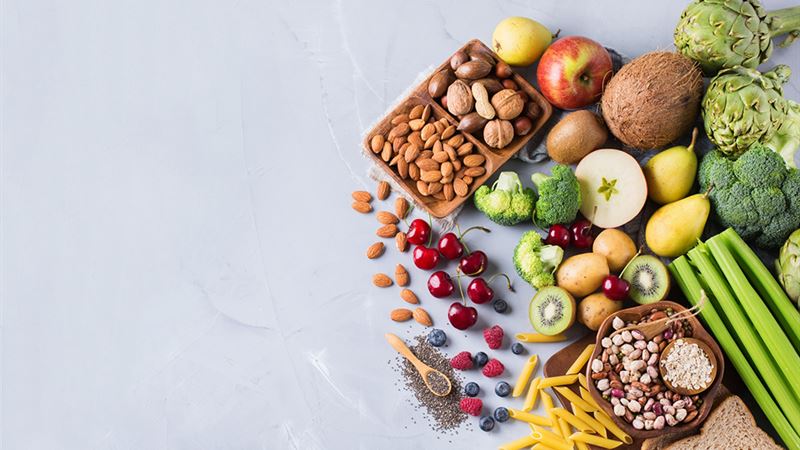
Maintaining optimal brain health is crucial, especially as we age or face cognitive challenges such as dementia. Nutrition plays a pivotal role in safeguarding cognitive functions and promoting a healthy mind. Certain foods are rich in nutrients that can enhance brain vitality, memory, and overall mental clarity, while others can accelerate cognitive decline and increase health risks. This comprehensive guide explores various foods that can support brain health, promote mental sharpness, and help in dementia prevention, along with foods that should be limited or avoided for optimal cognitive well-being.
The Top Brain-Boosting Foods for Dementia Support
- 1. Berries – The Natural Brain Enhancers
Berries—including blueberries, blackberries, strawberries, and raspberries—are renowned for their potent antioxidant content, especially flavonoids. These natural compounds are vital for protecting the brain from oxidative stress and inflammation, which are key contributors to cognitive decline. Regular consumption of berries has been associated with improved memory, learning ability, and overall brain function. They are versatile and can be enjoyed fresh, blended into smoothies, added into desserts, or sprinkled over cereals and yogurt. Incorporating berries into your daily diet can help maintain mental acuity and support long-term brain health.
- 2. Whole Grains like Quinoa – Fueling the Brain with Energy
Whole grains such as quinoa, oats, brown rice, and barley are excellent sources of complex carbohydrates. These provide a slow and steady supply of energy to the brain, which is essential for sustained mental performance. Quinoa, in particular, stands out due to its rich content of vitamin B complex, iron, and dietary fiber—all critical nutrients for cognitive health. Vitamin B supports the synthesis of neurotransmitters, while iron aids in oxygen transport, ensuring the brain functions optimally. Adding quinoa to salads, side dishes, or breakfast bowls offers a delicious way to bolster your cognitive resilience.
- 3. Fatty Fish like Salmon – Rich in Omega-3 for Brain Vitality
Fatty fish including salmon, mackerel, sardines, and trout are exceptional sources of omega-3 fatty acids, particularly EPA and DHA. These essential fats are crucial for maintaining the structural integrity of brain cells and supporting synaptic plasticity, which is vital for learning and memory. Regular intake of omega-3-rich fish has been linked to a lowered risk of cognitive decline, dementia, and Alzheimer’s disease. Incorporating grilled, baked, or steamed salmon into your meals and combining it with whole grains and vegetables can provide a nourishing, brain-enhancing meal.
- 4. Leafy Greens like Spinach – Protecting Neurons with Nutrients
Spinach, kale, collard greens, and other leafy vegetables are packed with vitamin E and folate—nutrients that play an essential role in maintaining brain health. Folate helps lower homocysteine levels, an amino acid associated with increased risk of dementia and cardiovascular issues. Vitamin E, a potent antioxidant, helps reduce oxidative damage to brain cells. Regularly including spinach in salads, smoothies, or stews can strengthen neural pathways and potentially lower the risk of cognitive deterioration. Green vegetables are beneficial additions to any diet aimed at healthy aging.
- 5. Green Tea – A Calming Cognitive Booster
Green tea is celebrated not only for hydration but also for its neuroprotective properties. Its high content of catechins and the amino acid L-theanine offers multiple brain benefits, including improved memory, mood, and attention. L-theanine crosses the blood-brain barrier and promotes relaxation without drowsiness. Daily consumption of green tea, whether hot or cold, can help diminish oxidative stress and support cognitive health. For those seeking a caffeine alternative, matcha—powdered green tea—provides concentrated nutrients and can be added to smoothies or recipes.
- 6. Dark Chocolate – Indulge in Brain-Boosting Flavonoids
Dark chocolate, with high cocoa content (70% or above), is a delicious way to enhance brain function. The flavonoids present in dark chocolate improve blood flow to the brain and stimulate neuronal growth. Cocoa also contains theobromine and caffeine, which contribute to improved alertness and mood. Consuming a small piece of dark chocolate regularly can aid in memory retention, concentration, and overall cognitive vigor. It makes for an enjoyable yet healthful addition to your diet.
Foods to Limit or Avoid for Better Brain Health
- 1. Sugar-Laden Beverages and Sweets
Soft drinks, fruit juices, sports drinks, and excessive sugar snacks significantly increase the risk of diabetes, obesity, and cardiovascular diseases—all of which are linked to cognitive decline. High sugar intake can lead to insulin resistance and inflammation, damaging brain tissues over time. Avoiding or reducing consumption of sugary drinks and candies is a proactive step toward preserving cognitive health and lowering dementia risk.
- 2. Fried and Processed Foods
French fries, fried chicken, and ready-to-eat processed snacks are often high in unhealthy fats, trans fats, and additives. These foods accelerate aging, promote inflammation, and can impair brain cell function. Studies suggest that excessive fried food consumption correlates with poorer cognitive performance and higher dementia risk. Opt for baked, grilled, or steamed options to protect your brain’s health.
- 3. Ultra-Processed and Packaged Foods
Canned foods, instant noodles, snack cakes, and other ultra-processed items contain excessive sugar, salt, preservatives, and unhealthy fats. These ingredients can cause metabolic disturbances and increase oxidative stress, which may contribute to cognitive deterioration. Prioritizing fresh, whole foods over heavily processed options supports better brain health and overall wellness.
In conclusion, a diet rich in colorful fruits, nutrient-dense greens, healthy fats, and whole grains combined with mindful avoidance of harmful foods forms the foundation for maintaining cognitive vitality and reducing dementia risk. When combined with a healthy lifestyle—regular physical activity, mental engagement, and sufficient sleep—these dietary choices can profoundly impact brain health and quality of life as you age.
Adopting these nutritional strategies now can foster long-term mental resilience and help you enjoy vibrant cognitive function well into later years.