
Comprehensive Guide to Dietary Choices and Treatments for Cancer Management
This comprehensive guide discusses essential dietary choices and emerging treatments for cancer management. It emphasizes foods to incorporate, foods to avoid, lifestyle modifications, and advances in medical therapies like targeted drugs and immunotherapy. Highlighting the importance of an integrated approach, the article aims to educate readers on supporting their health and enhancing cancer treatment outcomes through informed decisions and cutting-edge medical options. Perfect for patients, caregivers, and health enthusiasts seeking in-depth insights into cancer care strategies.
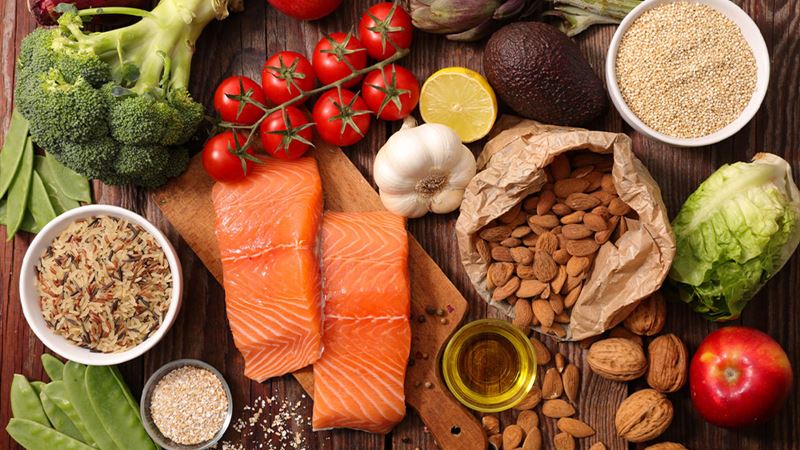
Managing cancer through lifestyle and medical interventions requires a nuanced understanding of how diet influences cancer development and progression. While no single food or supplement can cure cancer, certain dietary habits can support overall health, strengthen the immune system, and potentially reduce the risk of certain cancer types. Coupled with medical therapies, a well-balanced diet and mindful food choices play a crucial role in comprehensive cancer care.
Foods to Limit or Avoid in Your Diet
Making informed dietary decisions is essential in reducing cancer risk and supporting treatment. Here are some foods that have been linked to increased cancer risk and should be limited or avoided:
- Alcohol: Consumption of alcohol is associated with an elevated risk of multiple types of cancer, including breast, liver, esophageal, and colorectal cancers. When alcohol is metabolized, the body releases acetaldehyde, a toxic chemical that can damage DNA and promote tumor formation. The best approach is to limit alcohol intake significantly or abstain entirely, especially for individuals at high risk or undergoing cancer treatment.
- Processed meats: Processed meats such as sausages, bacon, ham, and deli meats are preserved with smoking, curing, salting, or canning techniques that involve chemical additives. These preservatives, particularly nitrates and nitrites, have been linked to an increased risk of colorectal, stomach, and pancreatic cancers. Reducing processed meat intake is a recommended step for cancer prevention.
- Sugary foods and beverages: Sweets, sodas, candies, baked goods, and ice cream contain high levels of sugar, which can promote inflammation and insulin resistance. Chronic inflammation is a key factor in cancer development. Moreover, excess sugar can lead to obesity—a known risk factor for several cancers including breast, kidney, and colorectal. Limiting these foods contributes to overall health and lowers cancer risk.
Cancer-Fighting Foods to Incorporate into Your Diet
Integrating certain foods into your daily diet can bolster your body's defenses against cancer. Here are some powerful options:
- Green tea: Rich in antioxidants, especially epigallocatechin gallate (EGCG), green tea has demonstrated promising cancer-preventive properties. Regular consumption has been linked to a lower incidence of liver, lung, esophageal, breast, skin, and pancreatic cancers. Incorporate a cup of green tea into your morning routine or enjoy as a healthy snack.
- Tomatoes: Featuring the potent antioxidant lycopene, tomatoes have been extensively studied for their role in reducing prostate and lung cancer risks. Include tomatoes in salads, sauces, sandwiches, and stir-f dishes to enjoy their health benefits.
- Cruciferous vegetables: Broccoli, cauliflower, Brussels sprouts, and cabbage contain compounds like sulforaphane and indole that support detoxification pathways and have anti-cancer properties. Aim for at least a few servings weekly to enhance your dietary portfolio.
- Berries and citrus fruits: These fruits are packed with antioxidants, vitamin C, and phytochemicals that combat oxidative stress and inflammation. Regular intake supports immune function and may inhibit cancer cell growth.
Additional Lifestyle Recommendations
Beyond diet, other lifestyle factors are critical in cancer prevention and management:
- Physical activity: Maintaining regular exercise routines helps regulate weight, boosts immune health, and reduces the risk of certain cancers.
- Weight management: Excess body weight is linked to increased risks of breast, colon, and pancreatic cancers. Achieving and maintaining a healthy weight through diet and exercise is essential.
- Smoking cessation: Tobacco smoking is a leading cause of multiple cancers, notably lung and throat. Quitting smoking significantly reduces associated risks.
- Environmental exposures: Reducing exposure to carcinogens such as asbestos, radon, and certain chemicals can lower cancer risk. Use protective measures and ensure proper ventilation in workplaces.
Medical Treatments and Emerging Cancer Therapies
Today’s advancements in cancer treatment include a diverse array of medications and innovative therapies designed to improve patient outcomes:
- Targeted therapies: Drugs like Rubraca (rucaparib) are developed to target specific genetic mutations within cancer cells. Rubraca is approved for treating ovarian, fallopian tube, and primary peritoneal cancers.
- Biologic agents and immunotherapy: Medications such as Avastin, Abraxane, Revlimid, Keytruda, and Imbruvica enhance the body's immune response or directly inhibit cancer cell growth. These treatments often work in combination with traditional therapies.
- CAR T-cell therapy: Chimeric Antigen Receptor (CAR) T-cell therapy is a groundbreaking immunotherapy where a patient’s own white blood cells are engineered in the lab to target and destroy cancer cells. Currently, it is used for certain hematological malignancies such as non-Hodgkin lymphoma, leukemia, and multiple myeloma. Ongoing research aims to broaden its applications.
Combining proper nutrition, lifestyle modifications, and advanced medical treatments offers the best strategy for managing and potentially overcoming cancer. Always consult healthcare professionals for personalized advice and treatment plans tailored to individual circumstances.