Preparing for your first swim class involves more than just showing up. Essential items like appropriate swimwear, towels, caps, goggles, and comfort accessories are crucial for a smooth and enjoyable experience. Confirm pool rules beforehand, select comfortable and suitable gear, stay hydrated, and bring extra essentials to ensure you're ready for any situation. Proper preparation not only boosts confidence but also enhances safety and comfort during your swim lessons. With the right gear, you'll dive into your new water journey fully prepared and eager to learn and have fun in the pool.
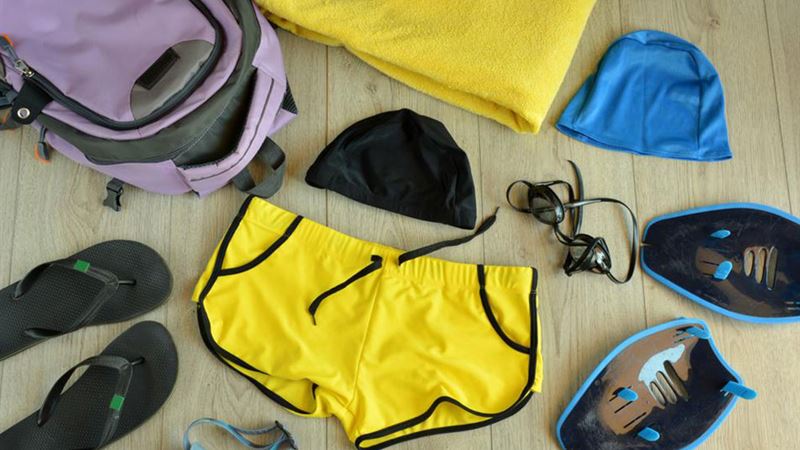
Embarking on your first swimming class is an exciting journey that opens the door to improved fitness, relaxation, and water safety skills. Before diving into the pool, ensuring you have the right equipment can greatly enhance your experience and comfort. Proper preparation not only makes your swim sessions more enjoyable but also helps you avoid last-minute shopping stresses. In this comprehensive guide, we will explore the most important items to bring and considerations to keep in mind when preparing for your inaugural swim lesson. From understanding pool regulations to choosing the right gear, this article covers everything you need to get ready for a successful and enjoyable aquatic experience.
Knowing what to pack can sometimes be overwhelming, especially for beginners. To make your preparation seamless, we will delve into detailed insights about essential swim gear, comfort accessories, and safety tools. Whether you are attending a public pool, a private facility, or a swimming school, certain items are universally recommended to ensure your comfort and hygiene during each session. Moreover, we will discuss tips for selecting suitable equipment based on your individual needs, water conditions, and personal preferences.
If you're new to swimming, understanding the rules and preferences of your local pool is crucial. Many pools have specific dress codes or restrictions regarding the type of swimwear allowed—especially regarding fabric choices and styles. Confirming these details beforehand can save you from purchasing unsuitable gear and ensure a hassle-free experience. Also, some pools require the use of certain accessories for hygiene or safety reasons, such as caps or goggles, which we will explore in detail.
Swimwear and Clothing
Your choice of swimwear should prioritize comfort, durability, and adherence to pool rules. While many beginners start with simple swimsuits, it’s essential to choose fabrics that dry quickly and resist chlorine damage. Some pools restrict certain styles or materials, so always verify pool policies before making a purchase. For those who prefer a modest option or require additional coverage, rash guards or swim shirts can be excellent choices. These items also provide sun protection if your lessons are outdoors. After your swim, having comfortable post-swim clothing like lightweight shorts or cover-ups can enhance your experience outside the pool area.
Essential Towels
No matter how confident or seasoned a swimmer you are, towels remain one of the most vital accessories for water activities. Bring multiple towels to ensure adequate coverage and implement contingency plans for unexpected needs. High-absorbency materials like microfiber towels dry quickly and are easy to carry around. Towels also serve to wipe away excess moisture and keep your skin comfortable after leaving the pool. Consider packing an extra towel specifically for sitting or resting post-swim, or if you plan to change clothes inside the changing room.
Comfortable Robe or Cover-Up
A stylish and functional robe or cover-up can add a layer of comfort and modesty when transitioning between the pool and locker room or outdoor areas. Lightweight, quick-drying robes are popular options that help maintain warmth and keep your attire dry. They are particularly useful on chilly days or if you’re not planning to swim immediately after changing. Having a robe also makes it easier to walk around the pool area confidently, without feeling exposed or uncomfortable.
Swimming Cap for Hygiene and Safety
Many swimming facilities mandate the use of swimming caps, especially when you have long hair. A good-quality cap keeps hair contained and prevents it from interfering in the water or clogging filters. Caps also serve the purpose of protecting your hair from chlorine and other chemicals in the water, reducing potential damage. Selecting a snug-fitting, durable cap ensures it stays in place during your workout. Additionally, if you have long or thick hair, consider using a silicone or latex cap designed to accommodate your hair comfortably while maintaining a tight seal.
Protective Goggles
Even though goggles are not always mandatory, they significantly improve comfort and hygiene during swimming. Proper goggles protect your eyes from chlorinated water and help you see clearly underwater, which is especially beneficial for beginners learning new strokes or techniques. When choosing goggles, look for adjustable straps, anti-fog coatings, and a comfortable seal around your eyes. For those with sensitive eyes or allergies, goggles with UV protection and anti-irritation features are recommended. Beginners should consider trying a few pairs to find the most comfortable fit and optimal visual clarity.
Nasal Clips and Ear Plugs
Optional accessories like nasal clips and ear plugs can enhance the swimming experience for those prone to discomfort or allergies. Nasal clips prevent water from entering your nasal passages, reducing irritation. Ear plugs help keep water out of the ears, decreasing the risk of infections or swimmer’s ear, especially in chlorinated pools. While not essential for everyone, these accessories are worth considering if you plan frequent swimming sessions, have ear sensitivities, or are learning to swim and want to avoid distractions.
Hydration and Snacks
Staying hydrated is crucial during swim sessions, especially if you’re engaging in vigorous activity. Carry a water bottle, preferably one that is leak-proof and easy to carry, to sip during breaks. Hydration helps maintain energy levels and prevents dehydration caused by the heat and exertion. If your swimming lessons are lengthy, packing light snacks such as fruit, granola bars, or nuts can keep you energized. Eating small, nutritious snacks can improve endurance and focus during your water practice.
Additional Items for Comfort and Convenience
Depending on your personal preferences and the pool environment, consider bringing other accessories such as flip-flops for walking around wet surfaces, waterproof toiletries for quick freshening up, and a lock to secure your belongings in lockers. If you prefer, pack extra toiletries like shampoo, body wash, and deodorant for after your session. For some, music via waterproof devices or earbuds can help relax before or after swimming, but always ensure they are safe and permitted within pool rules. These thoughtful items can turn your swim experience into a more enjoyable and stress-free routine.
Once you have all these essentials prepared, you're ready to step into the water with confidence. Proper gear, hydration, and comfort considerations help foster a positive and effective learning environment. As you gain more confidence and experience, you can gradually customize your gear to suit your specific water activities, whether for fitness, leisure, or competitive training. Remember, the key to a successful swimming experience lies in being well-prepared and enjoying each moment in the water. Happy swimming and make every session count!
