
Comprehensive Guide to Effectively Managing Autumn Allergies
This comprehensive article provides in-depth insights into autumn allergies, highlighting common symptoms and effective treatment strategies. Learn practical tips such as using dehumidifiers, monitoring pollen levels, maintaining hygiene, and managing your indoor environment to minimize allergens. Discover how OTC medications and proper HVAC maintenance can help reduce allergy symptoms while ensuring a comfortable and healthier living space during fall. Perfect for those seeking detailed guidance to combat seasonal allergies effectively.
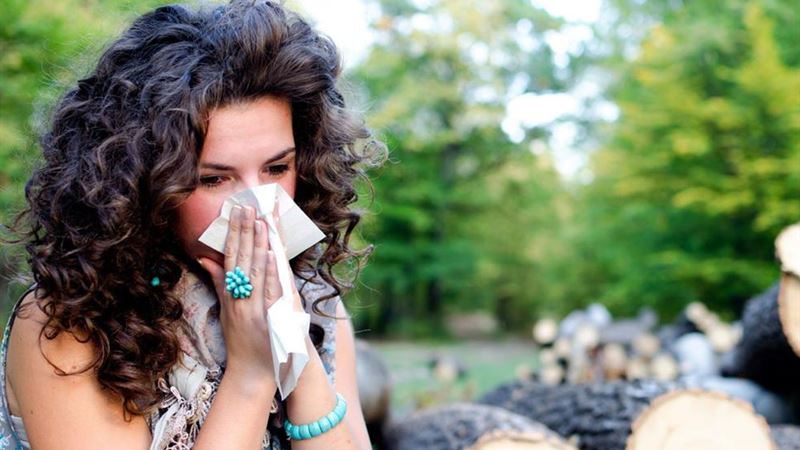
As autumn arrives, many individuals find themselves battling a myriad of allergy symptoms that can significantly impact daily life. Understanding the common signs and effective treatment strategies is crucial in reducing discomfort and maintaining quality of life during this season. This detailed guide delves into the prevalent symptoms of fall allergies, explores various treatment options, and provides practical tips to minimize exposure to allergens commonly encountered during autumn.
- Sneezing frequently and uncontrollably
- Persistent post-nasal drip
- Itchy sensations in the throat, nose, and eyes
- Increased frequency of asthma attacks
- Feeling unusually fatigued
- Nasal congestion and stuffiness
- Frequent coughing episodes
Understanding Fall Allergies: Symptoms and Causes
Fall allergies are primarily triggered by airborne allergens such as pollen from ragweed, mold spores, and dust mites. These allergens become more prevalent as plants release pollen and the environment becomes more humid, creating ideal conditions for mold growth. Recognizing the symptoms early helps in managing the condition effectively and preventing complications.
Strategies for Managing Autumn Allergies
Effectively tackling fall allergies involves a combination of home environment management, personal hygiene, and medical interventions. Here are some of the most recommended approaches:
Utilize Dehumidifiers - During autumn, humidity levels inside homes tend to increase due to moisture retention. Excess moisture promotes the proliferation of mold and dust mites, renowned triggers for allergic reactions. Installing a dehumidifier helps reduce indoor humidity, creating a less hospitable environment for these allergens and alleviating allergy symptoms.
Maintain Rigorous Personal Hygiene - After outdoor activities, it is essential to wash thoroughly. Pollen, mold spores, and other allergens latch onto clothing and skin, which can then be transferred indoors. Removing shoes before entering the house, changing clothes at the doorway, and washing exposed skin and hair can significantly reduce allergen exposure. Regular bathing helps remove pollen and dust from the skin.
Monitor and Control Pollen Levels - Staying informed about daily pollen counts helps in planning your outdoor activities. On days when pollen levels are high, it's advisable to stay indoors to minimize exposure. Use weather apps or local air quality reports to keep track of these levels and adapt your schedule accordingly.
Smart Laundry Practices - Hanging clothes outside to dry can be an excellent way to get fresh air, but during allergy seasons, it might be counterproductive. Pollens settling on fabric can be brought inside, prolonging exposure. Instead, opt for using a dryer or indoor drying methods that prevent pollen contact.
Over-the-Counter Medications - Antihistamines available without prescription can be highly effective in reducing allergy symptoms. Non-drowsy, long-lasting options are preferred for daily use. Starting these medications a few days before peak allergy season can provide preemptive relief. Consult a healthcare professional for personalized advice.
Air Filtration and HVAC Maintenance - Regularly changing air conditioning filters is vital. Use high-efficiency particulate air (HEPA) filters to trap airborne particles such as pollen, mold spores, and dust. Ensuring your HVAC system is well-maintained and equipped with the right filters lowers indoor allergen levels significantly.
Nighttime Air Quality Management - Running the air conditioner during sleep hours helps create a pollen-free environment. Using HEPA filters in your cooling units enhances this effect. It is also beneficial to keep windows closed at night to prevent outdoor pollen from entering your living space.
Pet Management - If you own pets like dogs, it’s important to remember they can carry pollen on their fur, contributing to indoor allergens. Keep pets out of bedrooms and other personal spaces during allergy seasons. Regular grooming of pets outdoors can also minimize pollen transfer indoors.
Implementing these strategies effectively can help significantly reduce allergy symptoms and improve overall well-being during the fall season. Creating a controlled indoor environment, maintaining personal hygiene, and being proactive with medical interventions are key to managing autumn allergies successfully.