
Comprehensive Guide to Factors Influencing Roofing Replacement Costs
Discover the key factors that influence the cost of roof replacement, including size, materials, roof condition, accessibility, and more. This comprehensive guide helps homeowners plan their roofing projects effectively, ensuring durability and budget management.
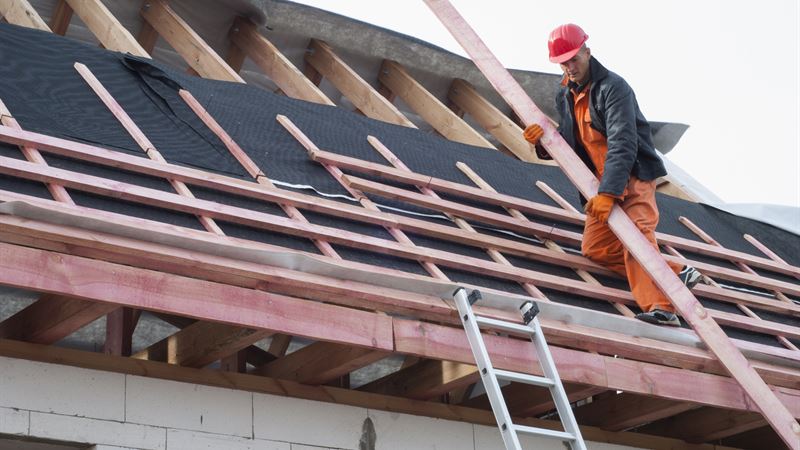
Embarking on a roof replacement project can be a significant investment for homeowners, and understanding the various factors that drive the overall cost is essential for budgeting and planning. The expense associated with replacing a roof is influenced by several critical elements, including the size of your house, the materials selected, the existing condition of the roof, and accessibility. This comprehensive guide will explore in detail each factor affecting roofing replacement costs, providing homeowners with valuable insights to make informed decisions.
One of the most prominent determinants is the total surface area of the roof that requires replacement. Larger roofs with extensive surface areas demand more materials and labor, naturally increasing costs. Roofing professionals typically measure materials by the 'roofing square,' which equals 100 square feet of roof area. Homes with multiple stories usually have higher square footage, requiring more time and resources to complete the project compared to single-story homes. Consequently, the size and complexity of your home are significant contributing factors to the overall expense.
Choosing the Right Roofing Material
The selection of roofing material has a substantial impact on the overall cost of replacement. Asphalt shingles represent the most common and cost-effective option, appreciated for their affordability, ease of installation, and durability. For homeowners working within a budget, asphalt shingles provide a practical solution that balances quality and price.
However, for those seeking premium roofing options, materials such as metal, concrete tiles, or wood shakes offer distinctive aesthetics and longevity, but they come with higher price tags. The specific material you select will influence not only the material costs but also the installation labor and maintenance requirements. High-density asphalt shingles or specialty materials will naturally lead to increased expenses due to the quantity of product needed and the complexity of installation.
Assessing the Current Roof Condition
The existing state of the roof plays a crucial role in determining the final cost. A roof that is severely weathered, damaged, or structurally compromised will require a more extensive replacement process. Removing old shingles and addressing underlying issues such as rotted sheathing or structural damage adds to labor and material costs. Conversely, if only certain sections of the roof need repair or partial replacement, costs may be relatively lower. Nevertheless, often a full replacement is recommended for severely deteriorated roofs to ensure safety and prevent future leaks or structural failure.
Waste Removal and Disposal Expenses
Disposing of old roofing materials is an integral part of the replacement process. Waste removal costs encompass the loading and hauling away of debris, which usually involves rental of dumpsters or usage of trucks. Contractors factor in these expenses when estimating project costs. Larger debris volumes from full roof replacements increase disposal costs, thus affecting the overall budget. Proper disposal also ensures compliance with local environmental regulations, making it an essential consideration in the project scope.
Impact of Roof Pitch or Slope
The pitch or slope of your roof significantly influences labor costs. Steeper roofs pose safety challenges and require specialized equipment, staging, and additional safety measures. These safety precautions prolong the installation time and elevate labor expenses. For instance, a steeply pitched roof may require additional harnessing, scaffolding, and skilled workers trained for working at heights. As a result, projects involving steep roofs tend to be more costly than flat or gently sloping roofs.
Accessibility Challenges
Easy access to the roof simplifies the replacement process and reduces costs. Conversely, roofs located in hard-to-reach areas or obstructed spots demand more time, equipment, and manpower. Factors such as landscape features, proximity to power lines, or narrow spaces can hinder access, leading to increased labor hours and equipment rental costs. Homeowners should consider how accessible their roofs are when estimating total expenses, as accessibility issues can significantly influence the final price.
Number and Type of Penetrations
Openings or penetrations in the roof, such as chimneys, skylights, plumbing vents, and gas lines, will affect replacement costs. Each penetration requires meticulous work to ensure proper sealing and integration with the new roofing material, which increases labor time and material costs. Additionally, if these penetrations are damaged or deteriorated, repairs or replacements will add further to the overall expense. Properly addressing these features during replacement is essential for maintaining the roof’s integrity and preventing leaks.
Labor Costs and Regional Variations
Labor rates vary widely based on geographic location, local labor markets, and the complexity of the roof. In urban areas or regions with higher living costs, hiring skilled roofers generally costs more. A straightforward repair might be less expensive, whereas full-scale replacements that require extensive labor will naturally be more costly. Homeowners should seek multiple quotes from reputable contractors to compare labor rates and ensure fair pricing. Quality labor not only influences upfront costs but also impacts the longevity and performance of the new roof.
Role of Contractor Expertise
The experience and reputation of your chosen contractor play a key role in overall costs. While seasoned professionals might charge premium rates, they often deliver higher-quality work with fewer mistakes and longer-lasting results. An experienced contractor's ability to efficiently manage the project also reduces unforeseen issues or delays that can inflate costs. Conversely, opting for less experienced labor may cost less initially but could lead to costly repairs or premature roofing failures. Prioritizing qualified and experienced contractors provides long-term value and peace of mind.
Ultimately, roof replacement costs are influenced by a multitude of factors, each contributing to the final price variation. Every home is unique, requiring careful assessment and professional estimation to determine accurate costs. Homeowners are encouraged to solicit detailed quotes from multiple contractors, review previous work, and consider both short-term expenses and long-term durability. Engaging with professionals who understand local building codes, material warranties, and safety standards ensures a successful and cost-effective roof replacement project. Proper planning and informed choices can save money and secure the safety and beauty of your home for decades to come.