Discover comprehensive insights into the factors influencing roof replacement costs, including materials, labor, roof design, and regional variations. Learn practical tips for selecting trustworthy contractors, understanding permits, and managing additional expenses to ensure a successful and cost-effective roof makeover. This detailed guide helps homeowners make informed decisions and budget effectively for their roofing projects, ensuring long-term durability and safety.
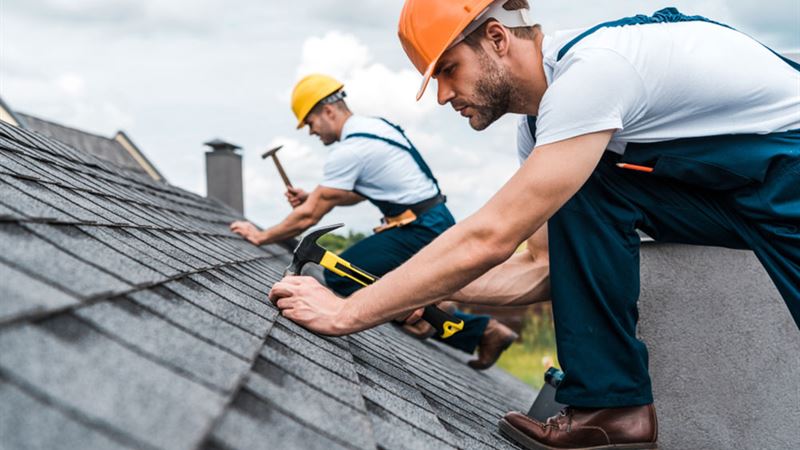
The cost to replace a roof depends on various factors, including geographic location, the size and complexity of the structure, and the choice of roofing contractor. Homeowners should be aware that materials constitute roughly 40% of the total expenditure, with labor and other associated costs making up the remaining portion. Understanding these components can help in making informed decisions and budgeting appropriately. This article explores the key determinants influencing roof replacement costs and provides practical tips for selecting reliable roofing professionals.
Key Factors Influencing Roof Replacement Costs
Several primary elements impact the overall price for a roof replacement. These include the choice of materials, labor expenses, roof pitch or angle, and regional location. Each factor can either increase or decrease the total cost, making it essential for homeowners to understand how these variables interplay.
Material Selection and Cost
The materials used in roofing vary widely, each with its own set of advantages, disadvantages, and price points. Common roofing materials include metal panels, asphalt shingles, wood shakes, clay tiles, and concrete tiles. The selection influences both the immediate expense and the durability of the roof over time.
For example, asphalt shingles are the most affordable and widely used, typically costing between $3 to $5 per square foot. Metal roofing, though more expensive at roughly $7 to $12 per square foot, offers longevity and energy efficiency. Clay and concrete tiles are durable options but can range from $10 to $20 per square foot and require specialized installation techniques. Ultimately, choosing the right material involves balancing budget, aesthetic preferences, and long-term performance expectations.
Labor Costs and Variations
Labor costs represent a significant component of total roof replacement expenses. On average, contractors charge around $11 per square foot or approximately $60 per hour. The total labor bill can vary based on the project's scope, complexity, and timing. During peak seasons or in cases of urgent repairs, prices tend to increase, making off-season scheduling a smart way to save money.
Local contractors often offer more competitive rates compared to large, national companies. Additionally, the experience and reputation of the roofing team influence both the quality and cost of work. Homeowners should seek multiple estimates, verify credentials, and inquire about licensing, insurance, and bonding before committing to a contractor.
Influence of Roof Pitch and Design
The angle or pitch of a roof can significantly affect the difficulty and safety of the replacement process. Steeper roofs require specialized safety equipment and more time to install, which can drive up costs per square foot. Flat roofs or those with low slopes are generally easier and quicker to work on, often resulting in lower expenses.
For instance, replacing a flat roof might cost around $6,600, whereas a low-slope roof could be approximately $7,000. The specific costs depend on the contractor's methods and regional labor rates. Consulting with professionals can help determine the most cost-effective approach based on your roof's design.
Regional Variations and Cost of Living
The geographic area plays a crucial role in roofing costs. In regions with a high cost of living, material prices and labor rates tend to be higher. For example, a roof replacement in a small town might range from $5,000 to $10,000, whereas in major metropolitan areas, costs can climb to between $7,000 and $12,000 or more. These differences reflect regional market conditions, availability of skilled craftsmen, and local building codes.
Additionally, accessibility considerations, climate conditions, and regional preferences for certain materials influence pricing. Homeowners should obtain several estimates from local professionals to better understand current market rates in their area.
Additional Costs and Services
Beyond the core expenses for materials and labor, other factors can affect the overall budget. One such aspect is the removal and disposal of the old roof. This process involves tearing off existing shingles, decking, and debris, which can cost between $1 and $5 per square foot depending on debris volume and disposal methods.
Furthermore, installing a new underlayment—critical for moisture protection—adds approximately $0.50 to $2 per square foot. If the project requires new flashing around chimneys, vents, or skylights, expect to pay between $500 and $2,000, based on the extent of installation needed.
Warranties are also a consideration. Contractors often provide warranties ranging from $500 to $2,000, covering aspects like repairs and inspections within a specified timeframe. It's essential to review warranty details thoroughly to understand what services are included and what are not.
Permits are mandatory in most cities and can cost from $100 up to $1,400, depending on local regulations. Securing permits may take several weeks and require documentation to demonstrate compliance with safety and building standards.
Guidelines for Choosing a Reliable Roofing Contractor
Selecting a trustworthy roofing professional is crucial for ensuring quality work and value for money. Follow these essential tips to make an informed choice:
- Start your search online using keywords like “top roofing companies near me” or “trusted roofing contractors in [your city]” to gather a list of local providers.
- Verify that the contractor holds valid licenses, certifications, and is insured and bonded in your state. Proper credentials protect you from liability and ensure regulatory compliance.
- Read reviews and testimonials from previous clients. Platforms like Google, Yelp, and Angie's List can reveal the contractor’s track record, project quality, and customer satisfaction.
- Check the physical address of the company—not just a P.O. box—to confirm legitimacy and establish trustworthiness.
- Prioritize contractors with extensive experience in handling your specific roof type, whether it’s asphalt, tile, or metal, and with projects similar in size and scope.
Sometimes, minor roof repairs are sufficient instead of full replacement. Regardless of the project scope, choosing experienced, reputable contractors remains vital to achieving a durable, high-quality result. Remember, investing in a well-chosen professional ensures longevity, safety, and peace of mind for years to come.
