
Comprehensive Guide to the Factors Influencing Prefabricated Home Costs
Explore in-depth the key factors influencing the cost of prefab homes, including size, customization, shipping, land, and design. Learn how to plan your budget effectively and what to consider before buying. Prefab homes provide a cost-efficient, quick, and customizable alternative to traditional housing, suitable for various needs and budgets. Understanding these factors helps buyers make informed decisions, ensuring long-term durability and value for money. From land acquisition to finishing touches, this guide covers everything needed to successfully navigate the prefab housing market and find a solution that fits your lifestyle and budget.
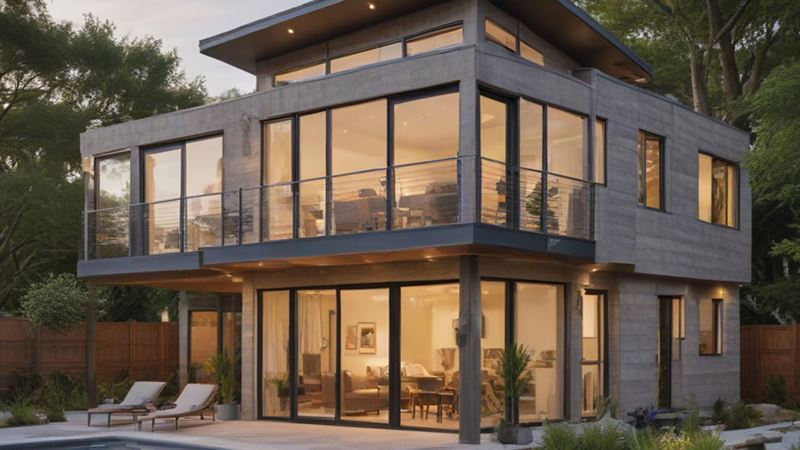
Prefabricated homes, known for their efficient construction process, are assembled in controlled factory environments before being transported to the final site. This innovative approach significantly reduces on-site labor and construction time compared to traditional building methods. Contractors focus on manufacturing the components in their factories, often purchasing materials in bulk, and then quickly assembling the homes on-site. This method allows for higher quality control, faster turnaround times, and often, more cost-effective solutions tailored to various budgets.
Understanding the factors that influence the overall cost of prefab homes is crucial for prospective buyers. While these homes are generally more affordable than conventional brick-and-mortar houses, fluctuations in pricing are common due to several key variables. These include the size and layout of the home, customization options, shipping and assembly costs, land and permit expenses, and the quality of design and materials chosen. Each of these elements can significantly affect the final price, making it essential to consider all aspects before making a purchase decision.
Pricing Dynamics of Prefab Homes and Factors Impacting Cost
Typically, prefab homes present a more budget-friendly alternative to traditional housing, with starting prices around €150,000 for basic models. High-end customizations, enhanced finishes, larger sizes, and advanced features can drive prices upward to €400,000 or more. Despite the apparent cost, these homes often remain cheaper than traditional models of comparable size long-term, especially when factoring in reduced construction time and operational costs. These price ranges attract a broad spectrum of buyers—from first-time homeowners to investors looking for rental opportunities—due to their affordability and versatility. Once purchased, these units can generate rental income, particularly in urban areas where demand for affordable, quick-assembly housing is high. Rental prices are influenced by location, quality, and available amenities, making prefab homes a lucrative investment for some.
Influence of Size and Floor Plan on Cost
The size of the prefab structure and its interior layout are primary determinants of the overall cost. Smaller units, such as tiny homes under 50 square meters with minimalist designs, tend to be less expensive. These designs focus on optimizing space and often feature simple finishes and layouts, making them ideal for individuals or couples seeking affordable housing solutions. Conversely, larger prefab units, such as eco-friendly bungalows or multi-room homes with multiple bedrooms, require more materials, labor, and precise engineering, leading to higher costs. Custom floor plans that incorporate unique architectural elements or specialized layouts will also impact expenses. Opting for high-end features like custom windows, smart home integrations, or unique structural designs increases the price considerably.
Impact of Customization Options on Pricing
Personalization is a significant factor influencing prefab home costs. Buyers who choose bespoke features, premium finishes, or unique design elements can expect to pay more. For instance, in 2024, a small prefabricated bungalow designed for senior living with accessibility features—like non-slip flooring, wider doorways, and easy-to-reach controls—costs more than a standard model of the same size. Similarly, homes with high-end wood finishes, custom cabinetry, or energy-efficient upgrades such as solar panels or specialized insulation will command higher prices. The extent of customization directly correlates with the final cost, allowing buyers to tailor their purchase to match their budget and preferences.
Additional Costs: Shipping and Site Assembly
Beyond the manufacturing costs, several ancillary expenses influence the total expenditure. Shipping costs vary based on the distance from the factory to the construction site and the logistics involved. Transporting large components over long distances may incur significant fees, especially for remote locations. Assembly costs involve on-site labor, including skilled workers or specialized assembly teams. These costs are calculated based on the complexity of the project and the number of days required for assembly. More intricate designs or challenging terrains can extend assembly time, increasing labor charges. Payments are typically made in installments—initial deposits before shipping and subsequent payments upon completion. It's advisable to budget extra for potential delays or unforeseen complications during assembly.
Land Acquisition and Permits
Before construction begins, buyers must secure land suitable for installation, which involves legal and environmental considerations. Expenses include purchasing property, conducting soil tests, and obtaining necessary permits from local authorities. Site preparation is another crucial step—this involves clearing vegetation, leveling the terrain, and installing foundational support structures according to local codes. Each of these tasks adds to the overall cost. Additionally, utilities such as water, electricity, gas, sewage, and telecommunication services need to be connected, which can be costly if infrastructure isn't readily available. Installing these utilities may add between €6,000 and €35,000 to the total project budget, depending on complexity and distance from existing lines.
Design Choices and Material Selection
The total expense of a prefab home is heavily influenced by design complexity and material quality. During the planning phase, clients collaborate with manufacturers to determine layouts, finishes, and optional features aligned with their financial considerations. Manufacturers offer a range of customization options—from basic models to luxury designs with premium materials. Each additional feature, upgrade, or bespoke element elevates the overall price. High-end materials like hardwood flooring, energy-efficient double-glazed windows, or advanced insulation systems can significantly increase costs but also enhance durability and aesthetic appeal. Conversely, opting for standard finishes can help maintain a more affordable budget while still providing reliable, attractive housing.
Tips for Choosing and Purchasing a Prefab Home
Acquiring a prefab house requires patience and diligence. Buyers should avoid rushing into a purchase and instead follow a structured process to ensure value for money. Essential steps include visiting showrooms to compare different models and designs, requesting detailed contracts and project plans, and securing necessary permits before committing financially. Understanding the terms of payment—such as deposits, progress payments, and final settlement—is crucial. It’s also vital to clarify who is responsible for customs duties, shipping arrangements, and site-specific tasks. Reading all contractual terms carefully helps prevent misunderstandings and hidden costs. Consulting with professionals and seeking references from previous clients can also provide insights into the manufacturer’s reliability and quality of work.
House Longevity and Maintenance
One of the notable advantages of prefab homes is their durability. When properly maintained, these structures can last up to 50 years or more, offering a sustainable and cost-effective housing solution. The lifespan largely depends on the quality of materials used and the construction standards followed during manufacturing. Routine inspections, timely repairs, and using weather-resistant finishes can extend the house's life, ensuring long-term affordability. Established manufacturers often provide warranties and maintenance packages, giving homeowners peace of mind regarding future upkeep. Selecting high-quality components and adhering to recommended maintenance schedules can maximize the longevity of your prefab home, making it a wise investment for generations to come.