
Comprehensive Guide to Buying and Selling Prefab Homes: Key Factors and Market Insights
This comprehensive guide explores the dynamic market of prefabricated homes, detailing key factors influencing buying and selling decisions. It covers types of prefab homes, pricing determinants, site preparation essentials, and benefits of purchasing from dealerships. With insights into market competition, customization options, financial considerations, and regulatory factors, the article aims to help buyers and sellers navigate the prefab housing landscape effectively. Gain in-depth knowledge to make smarter, more informed choices in the evolving prefab home industry.
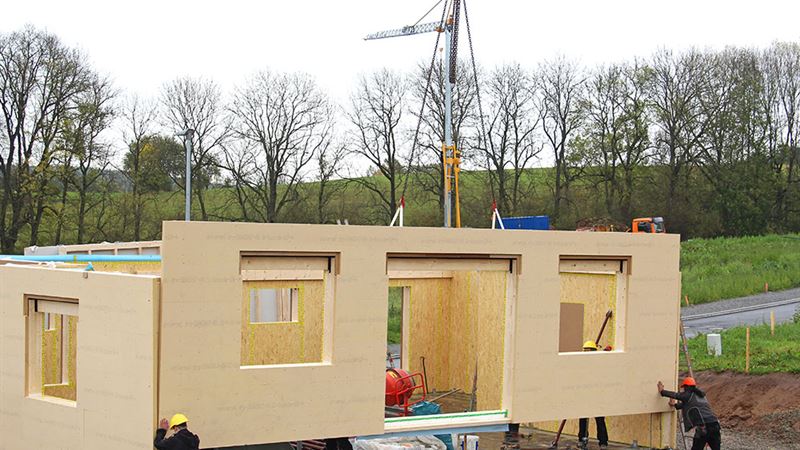
Understanding the Prefabricated Home Market and Its Competitive Landscape
Prefabricated homes have gained significant attention in recent years as an innovative housing solution. However, they face stiff competition from traditional site-built homes, modular housing, apartments, and other alternative dwelling options. The market share for prefab homes depends heavily on consumer perceptions, cost competitiveness, and building trends. It is essential for buyers and sellers to understand the current market dynamics, including how various factors influence demand and supply, to make informed decisions.
Cost and Affordability Factors in Prefab Home Market
Price is a critical consideration for both buyers and sellers. Prefabricated homes can sometimes be priced higher than their conventional counterparts, especially when considering customization, quality, and additional costs. For many potential homeowners, affordability remains a barrier. Financing options for prefab homes can be limited, making it challenging for some buyers to access loans or mortgage products. This can narrow the pool of prospective buyers, impacting overall marketability.
Variety of Prefabricated Home Types and Their Market Position
- Ranch-Style Homes: These single-story structures prioritize spaciousness and simplicity, ideal for those seeking open floor plans with minimal stairs. Usually featuring a large living area, multiple bedrooms, and a straightforward kitchen layout, ranch-style prefab homes are popular among families and retirees alike.
- Cape Cod-Style Homes: Known for their steeply pitched roofs and dormer windows, Cape Cods evoke a charming cottage feel. They often include inviting front porches and cozy interiors—perfect for those who prefer a traditional yet stylish aesthetic.
- Modern-Design Homes: Sleek, minimalist structures with sharp lines and open spaces. Modern prefab homes incorporate energy-efficient materials, smart technology, and contemporary finishes—catering to eco-conscious buyers valuing innovation.
- Tiny Houses: Compact and eco-friendly, tiny prefab homes typically under 500 square feet. They maximize space with lofted bedrooms, built-in storage, and multifunctional furniture. Their affordability and minimal environmental footprint appeal to urban dwellers and minimalists.
- Multi-Family Dwellings: Designed for multiple tenants or families, these prefab structures include duplexes and larger apartment complexes. They’re favored by developers aiming to provide affordable rental options or high-density living solutions.
- Location: The geographical placement significantly influences home prices. Homes in high-demand, upscale neighborhoods with premium amenities command higher prices, while properties in less desirable areas may be more affordable. Local factors like land costs, regulations, and infrastructure play a vital role.
- Size: The total square footage directly affects the cost. Calculating the price involves multiplying the area by the cost per square foot, which varies by region, design complexity, and material quality.
- Customization and Features: The extent of personalized modifications affects overall pricing. Unique design elements, high-end finishes, and advanced technological integrations tend to increase costs.
- Material Quality: Upgrading to premium building materials such as energy-efficient windows, durable roofing, and high-grade insulation can elevate the home’s price point.
- Finish and Interior Design: High-end finishes like granite countertops, hardwood flooring, and luxury fixtures contribute to higher prices, aligning with a premium market segment.
- Market Conditions: Broader economic factors—including interest rates, supply and demand, and local real estate trends—have a ripple effect on prefab home pricing.
- Site Preparation: Preparing a suitable foundation or setting up the installation site is essential. It includes land clearing, grading, and utility connections—all of which influence project timelines and costs.
- Transportation and Installation: Coordination with manufacturers is crucial to ensure smooth delivery and setup. Clear agreements about transportation fees, installation procedures, and necessary permits are vital to avoid surprises.
- Customization Capabilities: Determine whether the prefab home can be modified to meet specific needs. Flexibility in design, materials, and features can add value but may also impact the final price and construction time.
- Financial Arrangements: Explore financing options such as traditional mortgages, personal loans, or manufacturer-sponsored financing plans. Understanding insurance, escrow, and payment terms is also necessary.
- Warranty and Maintenance: It's important to review the manufacturer's warranty coverage and ongoing maintenance requirements. This helps prevent unexpected costs and ensures sustained home quality.
- Regulatory Compliance: Check local zoning laws, building codes, and municipal regulations to confirm the feasibility of installing a prefab home in your chosen location. Non-compliance can cause legal issues and delays.
- Cost Savings: Dealerships often acquire unsold prefab homes at significant discounts. These savings can be passed on to consumers, making high-quality homes more accessible and affordable.
- Wide Range of Models: Dealerships typically showcase various models—from entry-level to luxury options—catering to diverse preferences and budgets, thus providing excellent choices for buyers.
- Expert Guidance: Experienced sales and support teams assist throughout the buying process: from site assessment and financing to installation and post-sale service. Their expertise helps buyers make informed decisions.
- Rapid Turnaround: Prefabricated homes are manufactured off-site, enabling quick assembly once the order is finalized. This speed can reduce wait times significantly, allowing homeowners to settle in faster.
Engaging with reliable dealerships that offer unsold prefab homes can result in cost-effective, adaptable, and high-quality housing opportunities tailored to your needs. Remember, thoroughly researching and consulting local experts ensures you make well-informed investment decisions.