
Comprehensive Guide to Managing and Understanding Overactive Bladder Syndrome
This comprehensive guide explores everything about overactive bladder syndrome, including its causes, symptoms, and effective treatment options. Discover how age, lifestyle, pregnancy, and nerve health influence bladder control, and learn practical strategies to manage and improve this common condition. From medication to behavioral therapies, find out what approaches can help restore bladder function and enhance your quality of life. Consult healthcare professionals for personalized care and take proactive steps to control overactive bladder effectively.
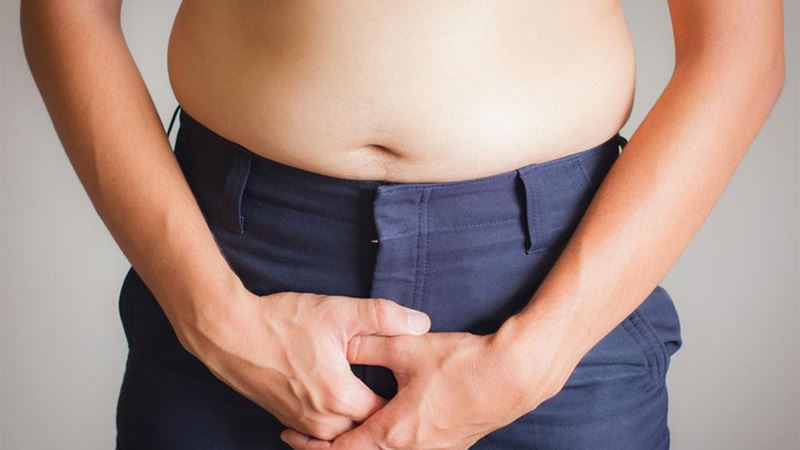
Overactive bladder (OAB) is a common urinary disorder characterized by sudden urges to urinate, frequent urination, and in some cases, loss of bladder control. It's a condition that affects millions globally, impacting daily life and overall well-being. Proper diagnosis and tailored treatment plans are essential for improving quality of life. Healthcare professionals will evaluate your symptoms carefully and may refer you to a urology specialist if necessary.
Understanding the underlying causes of overactive bladder is crucial for effective management. Several factors can contribute to OAB, including physiological, neurological, and lifestyle-related influences. Recognizing these can help in devising appropriate treatment strategies.
Key Causes of Overactive Bladder
Accurately identifying the root causes of OAB allows for targeted interventions. Below are some of the most common contributing factors:
- Pregnancy and Childbirth: During pregnancy, hormonal changes and increased abdominal pressure exert stress on the bladder. Postpartum, many women experience urinary leakage or urgency due to weakened pelvic muscles and altered bladder function. Childbirth-related trauma can further exacerbate these issues, leading to overactivity of the bladder muscles.
- Advancing Age: As people age, physiological changes affect various organs, including the bladder. The elasticity and capacity of the bladder decline over time, resulting in a decreased ability to hold urine comfortably. Age-related weakening of pelvic floor muscles also plays a role, making older adults more susceptible to OAB.
- Lifestyle and Dietary Factors: Substances such as caffeine, alcohol, spicy foods, and citrus fruits can irritate the bladder. These items act as diuretics or bladder stimulants, increasing urinary frequency and urgency. Adopting a wholesome, bladder-friendly diet can alleviate symptoms and improve bladder health.
- Nerve Damage and Neurological Conditions: Conditions like Parkinson’s disease, multiple sclerosis, stroke, and diabetic neuropathy disrupt nerve signals that control bladder function. The resulting miscommunication causes an overactive bladder reflex, leading to frequent urges and urgency.
- Body Weight: Excess weight, especially abdominal obesity, puts additional pressure on the bladder. This strain can impair bladder capacity and control, heightening the risk of OAB symptoms. Weight management and healthy lifestyle choices are essential components of treatment.
Effective Treatment Options for Overactive Bladder
Once diagnosed, treatment plans for OAB are personalized based on severity and underlying causes. The primary goal is to reduce symptoms, improve bladder control, and enhance the patient’s quality of life. Treatment approaches include:
- Medications: Several drugs, such as antimuscarinics and beta-3 adrenergic agonists, help relax bladder muscles, decrease urgency, and increase storage capacity. Your healthcare provider will prescribe the most appropriate medication based on your health status and potential side effects.
- Bladder Training and Behavioral Therapy: Techniques such as scheduled voiding, urge suppression, and pelvic floor exercises (Kegel exercises) can strengthen the muscles supporting the bladder. Consistent practice often results in significant symptom relief.
- Nerve Stimulation and Neuromodulation: For persistent cases, procedures like sacral nerve stimulation or percutaneous tibial nerve stimulation can modulate nerve activity to improve bladder control. These minimally invasive therapies target nerve pathways involved in bladder regulation.
- Lifestyle Modifications: Adapting daily habits such as reducing caffeine and alcohol intake, maintaining a healthy weight, quitting smoking, and avoiding bladder irritants can contribute greatly to symptom management. Creating a fluid intake schedule also helps regulate bladder activity.
- Dietary Changes: Incorporating a diet rich in fiber, staying well-hydrated with non-irritating fluids, and avoiding known bladder irritants help maintain bladder health and reduce episodes.
It’s important to remember that overactive bladder is generally a reversible condition with proper intervention. Many individuals experience significant improvement through a combination of medical treatment, lifestyle changes, and supportive therapies. Consulting with a healthcare professional ensures a comprehensive approach tailored to your needs and fosters better long-term results.
In conclusion, understanding overactive bladder syndrome, its causes, and available treatments enables patients to take proactive steps toward management. Regular medical consultations and embracing healthy habits can significantly reduce symptoms, enhance comfort, and restore confidence in daily activities. Don’t hesitate to seek specialized care if you experience persistent urinary symptoms—effective management is possible, leading to a better quality of life.