
Comprehensive Guide to Modular Home Construction and Benefits
Explore the comprehensive advantages and features of modular homes, including their durability, customizable design, cost-effectiveness, and suitability for harsh weather conditions. Understand why modular construction is rapidly gaining popularity nationwide as a flexible and sustainable housing option for modern living.
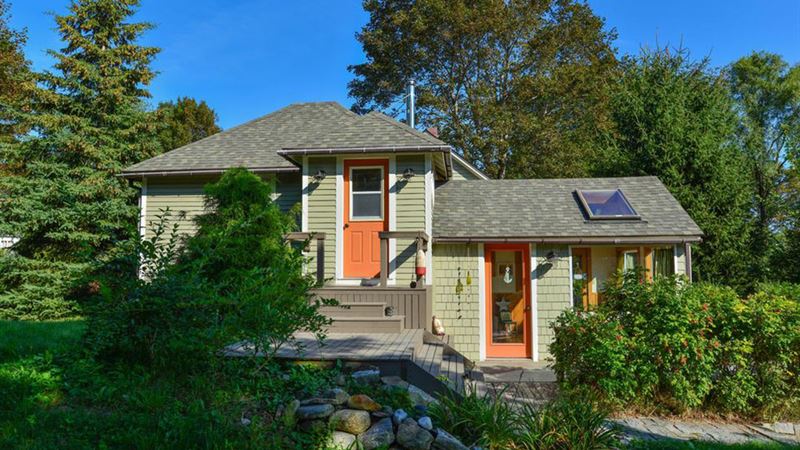
Modular homes are often misunderstood as being mobile, but this is a common misconception. Unlike mobile homes, which can be relocated after purchase, modular homes are permanent structures once they are installed in their designated location. This distinction is crucial for potential homeowners to understand, especially when considering long-term property investments. Modular homes are built in sections in a controlled factory environment and then transported to the site for assembly, ensuring high-quality construction standards and minimizing on-site labor time.
Many people assume that prefabricated or modular homes come with limited design options, but this is far from the truth. Modern modular construction offers extensive customization possibilities, enabling homeowners to create a residence that perfectly aligns with their aesthetic preferences and functional requirements. Whether you desire a compact, cozy dwelling or a spacious, luxurious retreat, modular homes can be tailored to fit your vision. From charming log cabins to elegant chalets, the design flexibility of modular homes makes them suitable for various tastes and lifestyles.
One of the primary advantages of modular construction is the speed of build. Since much of the construction takes place indoors in a factory setting, weather-related delays are virtually eliminated. This controlled environment allows for precision manufacturing, ensuring consistent quality and adherence to strict building codes. Consequently, the overall construction timeline is significantly reduced compared to traditional on-site building methods. Furthermore, modular homes tend to be more cost-effective, often costing less to build while matching or exceeding the value of conventional homes due to their durable and quality construction.
Financially, modular homes are recognized equally to traditional site-built homes. They can be financed through standard mortgage options, and appraisals reflect their market value similarly to traditional homes. Importantly, because these homes are transported and assembled on-site, they are engineered to withstand transportation stresses with reinforced joints and stronger overall structural integrity. This makes modular homes resilient against harsh weather conditions, including high winds and storms, making them particularly attractive in regions prone to extreme weather events such as hurricanes or tornadoes.
Across the country, modular homes are increasingly gaining popularity. In high-cost living areas, they offer an affordable alternative without sacrificing quality or design. Urban and suburban communities are embracing modular construction due to its speed and efficiency, allowing for faster occupancy and reduced overall development costs. However, some densely populated regions impose restrictions on the width and placement of these homes because of narrower roads and restrictive zoning rules. Notably, traditional homes are prevalent along the southeastern coastal areas, where the windy weather demands robust construction standards. Conversely, modular homes are particularly favored in hurricane-prone zones across the central plains due to their enhanced durability and resistance.
Energy efficiency is another significant benefit of modern modular homes. These structures can be built with green materials, advanced insulation, and energy-saving systems, making them environmentally friendly and cost-efficient over time. Their ability to incorporate sustainable features aligns with current trends toward eco-conscious living. With their numerous advantages, including cost savings, durability, and customization options, modular homes are becoming an increasingly popular choice for homeowners across the nation.
In summary, modular homes represent a modern, flexible, and resilient approach to residential construction. They combine speed, affordability, and design versatility with superior strength and energy efficiency. As more people seek sustainable and cost-effective living solutions, the demand for modular housing continues to rise across various regions. Whether in urban centers or hurricane-prone coastal areas, modular homes offer an innovative choice that meets both practical and aesthetic needs, making them a frontrunner in the future of homebuilding.