
Comprehensive Natural Strategies to Manage and Lower Blood Pressure
Discover comprehensive natural methods to manage and lower blood pressure effectively. From dietary changes and lifestyle habits to herbal remedies, learn how to maintain healthy blood pressure levels at home to prevent heart disease, strokes, and other serious health issues. This guide offers practical tips for both high and low blood pressure, emphasizing preventive care and safe, natural solutions for lasting health benefits.
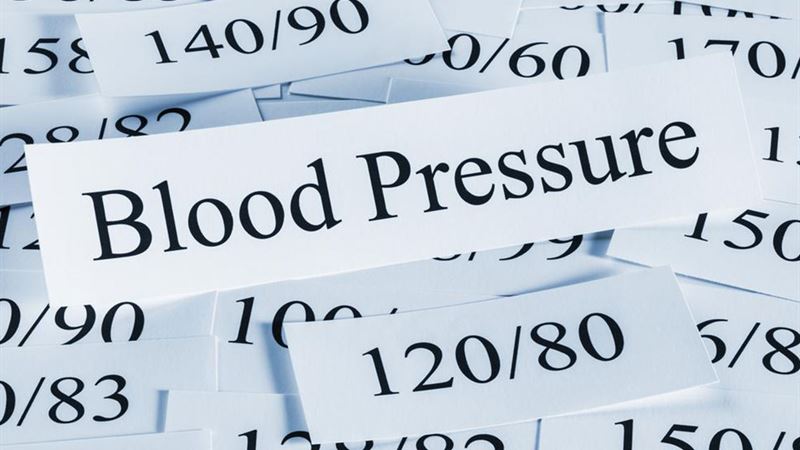
Understanding Blood Pressure: Its Role and Significance
Blood pressure measures the force exerted by circulating blood against the walls of blood vessels, primarily arteries. It is a vital indicator of cardiovascular health, reflecting how effectively the heart pumps blood and how flexible and healthy your blood vessels are. Maintaining optimal blood pressure levels is crucial to prevent complications such as heart disease, stroke, and organ damage. A typical healthy reading is below 120/80 mmHg. Deviations from this range can signal underlying health issues that need attention.
Blood pressure readings are composed of systolic pressure (the top number), representing pressure during heartbeats, and diastolic pressure (the bottom number), indicating pressure between beats. Elevated blood pressure, known as hypertension, can develop silently over years without obvious symptoms, earning it the moniker “silent killer.” Conversely, low blood pressure, or hypotension, manifests through symptoms such as dizziness, fatigue, and nausea. Understanding these conditions and their remedies is fundamental for preserving cardiovascular health.
Hypertension and Hypotension: Causes and Risks
High blood pressure is often linked to factors such as genetic predisposition, unhealthy diet, lack of exercise, stress, obesity, excessive alcohol consumption, and smoking. If left unmanaged, hypertension significantly increases the risk of strokes, heart attacks, kidney damage, and vision loss. On the flip side, hypotension, characterized by abnormally low blood pressure, can cause inadequate blood flow to organs, leading to fainting and shock in extreme cases. Both conditions underscore the importance of maintaining balanced blood pressure through lifestyle adjustments and natural remedies.
Preventative strategies and early interventions are key to avoiding serious health consequences. Here, we explore effective natural ways to regulate blood pressure at home, focusing on lifestyle changes, dietary modifications, and herbal approaches.
Home-Based Solutions for Addressing Low Blood Pressure
Experiencing symptoms such as dizziness, weakness, or nausea signals a potential case of low blood pressure. Immediate steps to stabilize blood pressure involve increasing fluid and salt intake, but always in moderation to avoid other health concerns. Below are some practical and safe home remedies for managing hypotension:
- Increase salt consumption carefully — drinking a solution of salt water can raise sodium levels and improve blood pressure, but excess salt intake should be avoided to prevent related health issues like hypertension and kidney problems.
- Caffeinated beverages such as coffee, tea, or hot chocolate can cause a temporary spike in blood pressure. For individuals prone to hypotension, daily morning coffee can serve as a simple preventive measure.
- Raisins are a natural remedy for quick relief. Soaking 30–40 raisins overnight and consuming them the next morning, along with drinking their soaked water, can effectively elevate blood pressure over time. This remedy can be continued for several weeks for sustained benefits.
- Beetroot juice has gained recognition for its blood pressure-lowering properties, but it can also help boost low readings. Drinking a cup of fresh beetroot juice twice daily for about a week can assist in normalizing blood pressure levels.
Natural Strategies to Manage Elevated Blood Pressure
High blood pressure requires careful management to prevent life-threatening complications. Adopting healthy habits and dietary changes provides an effective approach to lowering hypertension naturally.
- Engage in regular, moderate exercise like brisk walking, cycling, or swimming. Physical activity helps strengthen the heart and blood vessels, reducing overall blood pressure. It's advisable to start slowly and gradually increase intensity.
- Following a balanced diet rich in fruits, vegetables, whole grains, and low-fat dairy supports cardiovascular health. Incorporating foods rich in potassium, magnesium, and fiber can naturally lower blood pressure.
- Limit intake of saturated fats, trans fats, and processed foods. Cut back on red meats, full-fat dairy, and baked goods containing unhealthy fats.
- Sodium consumption should be carefully monitored. Reduce or eliminate table salt and processed foods that contain hidden salts. A daily sodium intake below 1,500 mg is recommended for hypertensive individuals.
- Maintain a healthy weight; excess visceral fat around the abdomen increases strain on the cardiovascular system. Weight loss through diet and exercise can dramatically lower blood pressure.
- Quit smoking and avoid secondhand smoke. Nicotine constricts blood vessels, elevating blood pressure and stressing the heart.
- Manage stress through relaxation techniques such as yoga, meditation, or deep-breathing exercises. Chronic stress can contribute to hypertension.
While natural remedies and lifestyle modifications are effective, persistent or severe blood pressure issues should always be evaluated and managed under medical supervision to ensure comprehensive care and prevent complications.