
Effective Strategies to Manage and Reduce Hypertension Naturally
Discover comprehensive strategies to naturally lower high blood pressure, including weight management, heart-healthy diet, vitamin intake, stress reduction, and lifestyle modifications. Learn how small daily changes can make a significant difference in controlling hypertension effectively and improving overall cardiovascular health. Regular monitoring and professional guidance are essential for long-term success and prevention of complications.
Maintain a Healthy Weight and Body Composition
Managing weight plays a crucial role in controlling high blood pressure. Excess body weight, especially around the abdomen, puts additional strain on your heart and arteries, leading to elevated blood pressure levels. Overweight individuals often experience impaired breathing during sleep, which can contribute to hypertension. Furthermore, obesity is linked to poor blood circulation and increased resistance in blood vessels, worsening hypertension over time. Achieving a healthy weight through consistent measures like diet adjustments and physical activity can substantially lower your blood pressure and reduce the risk of related health issues. Regular exercise routines such as brisk walking, cycling, jogging, swimming, or aerobic workouts are highly effective in promoting weight loss and cardiovascular health. Combining these with a balanced diet not only helps shed excess pounds but also improves overall well-being.
Adopt a Heart-Healthy Diet
Implementing dietary patterns that promote heart health can significantly influence blood pressure management. The Dietary Approaches to Stop Hypertension (DASH) diet is widely recommended by health professionals for reducing hypertension. This diet emphasizes the consumption of nutrient-rich foods including fruits, vegetables, whole grains, lean proteins, nuts, and seeds. Regularly including a variety of these foods helps maintain optimal levels of potassium, which plays a vital role in regulating blood pressure. Reducing sodium intake is equally important; processed foods, fast food, canned goods, and salty snacks are typically high in sodium and should be limited. Strive to keep daily sodium consumption below 1500 milligrams. Replacing processed items with fresh, whole foods ensures better control over salt intake. Incorporate herbs and spices for flavor instead of salt to enhance taste without compromising health.
Boost Vitamins C and D for Vascular Health
Ensuring adequate intake of vitamins C and D supports blood vessel flexibility and overall cardiovascular function. Vitamin C, abundant in citrus fruits like oranges, grapefruits, and strawberries, has antioxidant properties that help remove excess sodium and relax blood vessel walls, thereby reducing blood pressure. Eating a diverse range of fruits and vegetables enhances your vitamin C intake naturally. For vitamin D, exposure to sunlight stimulates its production in the skin, but dietary sources are also essential. Fortified cereals, milk, egg yolks, and fatty fish like salmon contribute to maintaining sufficient vitamin D levels. Deficiency in these vitamins has been linked to increased risk of hypertension; hence, supplementing your diet accordingly can offer additional benefits in blood pressure control.
Manage Stress Effectively
Chronic stress is a known contributor to higher blood pressure. When stressed, the body produces stress hormones that constrict blood vessels, causing temporary spikes, and repeated episodes can lead to persistent hypertension. Incorporating stress-reduction techniques into daily routines can have profound effects. Practices such as meditation, deep breathing exercises, yoga, and mindfulness help calm the nervous system and reduce hormone levels associated with stress. Engaging in regular physical activity like morning walks can also promote mental relaxation. Additionally, hobbies, spending time in nature, and relaxation therapies like tai chi or acupuncture can contribute to lowering stress levels and maintaining healthy blood pressure.
Limit Alcohol, Caffeine, and Tobacco Use
Excessive consumption of alcohol and caffeine, along with smoking, adversely affects cardiovascular health and can elevate blood pressure. Moderation is key; if you choose to drink, do so in small quantities, ideally not exceeding one standard drink per day. Quitting smoking altogether is highly beneficial, as nicotine narrows blood vessels and increases blood pressure. Caffeine’s effect on blood pressure varies among individuals, but reducing intake can contribute to better control. Caffeine-rich beverages like coffee, energy drinks, and certain teas should be consumed mindfully. Eliminating these substances not only supports blood pressure regulation but also improves lung function, reduces cardiovascular risk, and enhances overall health.
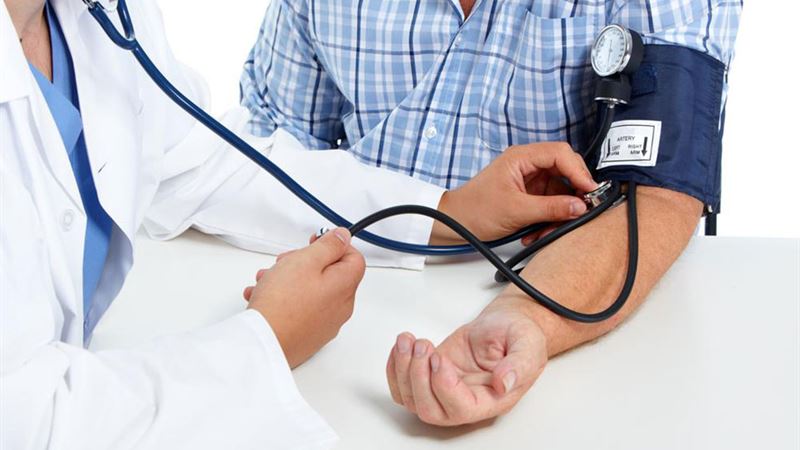
A comprehensive approach to lifestyle modification—combining weight management, dietary changes, vitamin optimization, stress reduction, and limiting harmful substances—can effectively normalize high blood pressure. Regular monitoring of blood pressure levels and consultation with healthcare professionals are imperative. Early intervention and consistent healthy habits can prevent the progression of hypertension and mitigate risks of complications such as heart disease and stroke. Educating oneself about hypertension and adopting sustainable lifestyle practices lay the foundation for a longer, healthier life.