
Top Ten Cities with Minimal Allergy Triggers for Respiratory Sensitivities
Discover the top cities worldwide and across the U.S. that are ideal for individuals with seasonal allergies. These locations feature favorable climates, reduced pollen levels, and effective environmental management, offering allergy sufferers relief and healthier living options. Learn which cities are safest and best suited for your respiratory health and enjoy outdoor life with lowered allergy risks.
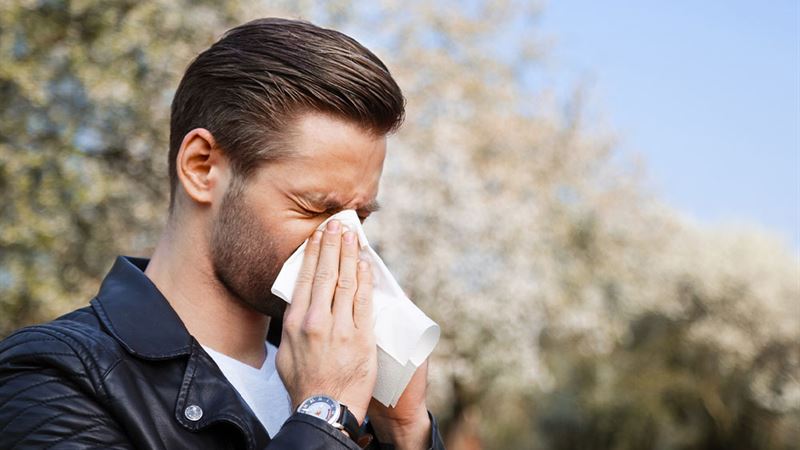
Many urban areas are plagued by high levels of allergens, especially during peak pollen seasons, which can worsen respiratory conditions, trigger asthma attacks, and cause discomfort. Conversely, certain cities benefit from favorable environmental factors that contribute to cleaner, healthier air. Cities with consistent rainfall, cooler temperatures, and less aggressive plant life tend to experience milder pollen counts, making them suitable for sensitive individuals. As climate change continues to influence weather patterns and plant growth cycles, it’s increasingly vital to identify regions that remain naturally resilient to allergen proliferation. This guide aims to inform allergy-prone individuals about the best places to live, travel, or relocate for a better quality of respiratory health.
Seattle, Washington
Seattle has steadily gained recognition as one of the most allergy-friendly cities in the United States. Known for its rainy climate and lush greenery, the city benefits from frequent drizzle and cloud cover, which help suppress pollen movement in the air. The persistent moisture creates an environment that diminishes the lifespan and dispersal of common airborne allergens. During the spring and summer months, when most cities suffer from high pollen counts, Seattle’s weather remains relatively mild, and the air quality stays high. Additionally, urban planning efforts focus on maintaining green spaces that minimize allergenic vegetation, contributing to less symptom aggravation among allergy sufferers.
The city’s temperate climate keeps average temperatures around 55-60°F (13-16°C), creating comfortable living conditions year-round. The abundance of evergreen trees and less allergenic native plants further enhance Seattle’s standing as a city with minimal seasonal allergy impact. For individuals sensitive to pollen, especially during peak seasons, Seattle presents a comparatively safer environment, allowing for outdoor activities and a healthier lifestyle without relentless allergy symptoms.
San Jose, California
San Jose emerges as another prime destination for those concerned about seasonal allergies. The city's Mediterranean climate, characterized by warm, dry summers and mild winters, means that peak pollen seasons are mostly confined to April and May when the vegetation begins to bloom. However, San Jose experiences a reduction in allergen levels during the colder months, thanks to lower temperatures and less wind, which discourages pollen dispersal. Interestingly, September and early fall can also pose allergy challenges due to changing weather patterns and increased wind activity.
The city’s low relative humidity and moderate temperatures—averaging around 60°F (15°C)—contribute to less pollen circulation. Moreover, urban green spaces are thoughtfully managed to include plants that are less allergenic, reducing overall air contamination. This makes San Jose an attractive option for allergy sufferers looking to enjoy outdoor life without enduring relentless symptoms. The city’s robust healthcare infrastructure also ensures access to allergy management services should symptoms become problematic.
San Francisco, California
San Francisco ranks consistently among the top cities with lower allergen levels, fluctuating between second and third places for allergy comfort in recent years. The city’s proximity to the Pacific Ocean, along with its foggy climate, helps maintain a cooling effect that curbs the growth of allergenic plants. Despite the presence of allergy-prone trees such as willows, oaks, and maples, the overall climate remains relatively cool and damp, especially during the summer months, which helps minimize pollen circulation.
However, climate change and global warming have introduced some uncertainties, with rising temperatures potentially increasing pollen production and prolonging allergy seasons. The city’s dense urban landscape and dedicated efforts in managing native and ornamental vegetation focus on reducing allergenic release. For residents and visitors with seasonal allergies, San Francisco offers a relatively lower risk environment with ample parks, scenic views, and a mild climate to enjoy outdoor activities comfortably.
Denver, Colorado
Denver stands out as a city with a distinctive four-season climate, which plays a significant role in minimizing allergy issues during most of the year. The city’s peak allergy period aligns with the spring and early summer months, from April through September, when vegetation is most active in pollen production. Outside this period, the dry and cooler climate dominates, significantly reducing the presence of airborne allergens. Denver’s elevation and dry atmosphere create an environment inhospitable to many allergenic plants.
The city’s urban planning emphasizes maintaining green spaces with plants that produce less pollen, and the local healthcare sector offers specialized allergy management services. The presence of four distinct seasons means shorter allergy seasons and fewer extended periods of allergen exposure. For those with severe allergies, Denver’s dry climate and health infrastructure make it an ideal place to reside or seek treatment, with a general reduction in allergy-related health issues throughout the year.
Phoenix, Arizona
Among the desert cities, Phoenix is highly praised for its low pollen count and dry air, making it suitable for individuals with respiratory sensitivities and seasonal allergies. The city’s climate, characterized by abundant sunshine, low humidity, and minimal rainfall, contributes to a significant reduction in airborne pollen levels. During the typical allergy season in Arizona, which peaks during spring and early summer, the arid conditions keep grass, tree, and weed pollen to a minimum.
Additionally, Phoenix’s urban environment features well-maintained parks with allergen-reducing landscaping, further limiting allergy triggers. Its air quality index remains high throughout most of the year, with very little mold proliferation due to low humidity levels. This makes Phoenix an excellent choice for allergy sufferers seeking a dry environment that minimizes respiratory discomfort. It’s important to recognize, however, that desert cities may pose other health considerations, but for allergies, Phoenix remains one of the most advantageous locations.
While these cities are notably more suitable for residents with respiratory allergies, it’s essential to consider other health factors and individual sensitivities. Proper medical care, allergen management, and personal precautions remain critical regardless of location. Nonetheless, choosing the right environment can significantly improve quality of life for allergy sufferers, and these cities are among the top options due to their natural and urban conditions designed to suppress allergen exposure.