
Complete Guide to Ductless Air Conditioner Pricing and Selection Tips
This comprehensive guide explores the factors influencing ductless air conditioner prices, including size, brand, efficiency, installation, and features. It helps homeowners and businesses choose the best system suitable for their needs and budget with detailed cost estimates, system types, and benefits. Learn how ductless units offer flexible, energy-efficient heating and cooling solutions that are easy to install and customize, making them an excellent investment for modern climate control needs.
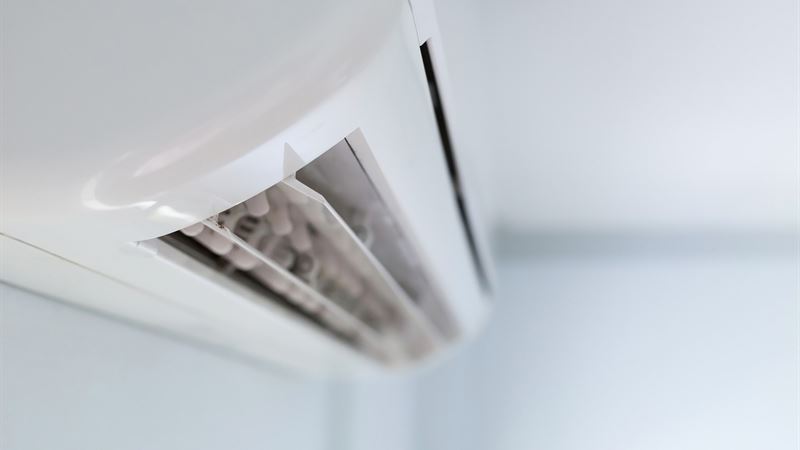
Understanding the key price factors of ductless air conditioners is vital for making an informed purchase. Factors such as size, brand, energy efficiency, installation costs, additional features, and system type can significantly influence the total investment. This comprehensive guide aims to walk you through each aspect, helping you select a system that meets your needs without stretching your budget, while also providing long-term value.
Key Factors Influencing Ductless AC Prices
Several elements determine the overall cost of a ductless air conditioning system. It's essential to examine each one closely to understand how they impact your final expenditure and to choose the best-fit solution.
1. System Capacity and Size
The capacity of your ductless AC unit primarily depends on the size of the space you intend to cool or heat. Larger areas require more powerful units, which naturally carry higher costs. When selecting a system, professionals typically calculate the needed British Thermal Units (BTUs) to match the room dimensions accurately. Oversized units can lead to inefficiency, while undersized ones may struggle to maintain comfort, so correct sizing is crucial. Larger units, catering to bigger spaces, usually have higher price tags, both for the units themselves and installation costs.
2. Brand Reputation and Quality
Brand plays a significant role in deciding the price of a ductless air conditioner. Renowned brands like Mitsubishi, Daikin, Fujitsu, and LG are recognized for durability, reliability, and advanced technology, which often come at a premium. Lesser-known or newer brands might offer more affordable options; however, they may have varying levels of quality, warranty coverage, and after-sales support. Investing in a reputable brand often ensures better longevity and less frequent repairs, making it a cost-effective choice over time.
3. Energy Efficiency Ratings
Energy efficiency is a vital factor affecting initial purchase cost and running expenses. Models featuring higher Seasonal Energy Efficiency Ratio (SEER) ratings consume less electricity, leading to lower energy bills. Although high-efficiency units tend to be more expensive upfront, they can save substantial money in the long run by reducing energy consumption. When evaluating options, look for units with a high SEER, preferably above 16, which balance performance and cost-effectiveness efficiently.
4. Installation Expenses
Installation costs can add a significant portion to your total expenditure. Proper installation by licensed professionals is crucial for optimal performance and safety. Factors influencing installation costs include the complexity of installation, the number of indoor units, accessibility of the installation site, and regional labor rates. On average, expect installation fees to range from $1,000 to over $3,000. It's recommended to obtain multiple quotes and ensure the installer is experienced with ductless systems to avoid costly mistakes or subpar performance.
5. Additional Features and Functionalities
Modern ductless units often come equipped with advanced features such as Wi-Fi connectivity for remote control, air purification filters, dehumidification capabilities, and precise temperature management. These enhancements, while increasing initial costs, can offer notable benefits in comfort, convenience, and air quality. Assessing your needs and prioritizing features can help you avoid unnecessary expenses while maximizing system efficiency and user experience.
6. System Type and Configuration
The choice between single-zone and multi-zone systems greatly impacts costs. Single-zone models involve one indoor unit connected to one outdoor compressor, suitable for individual rooms or small spaces. Multi-zone systems support multiple indoor units connected to a single outdoor unit, ideal for larger homes or multi-room setups, offering zoned temperature control. Multi-zone setups naturally cost more due to additional indoor units and installation complexity but provide flexible climate management across various spaces.
Cost Range Overview for Ductless Air Conditioning Systems
The overall cost varies considerably based on system size, brand, efficiency, and features. Here's a detailed breakdown of typical price ranges and associated expenses:
| Type of System | Unit Cost (Without Installation) | Installation Cost | Total Estimated Price |
|---|---|---|---|
| Single-Zone System | $700 – $2,500 | $1,000 – $2,500 | $1,700 – $5,000 |
| Multi-Zone System | $1,500 – $6,000 | $2,000 – $5,000 | $3,500 – $11,000 |
| High-Efficiency Units | $1,500 – $5,000 | $1,500 – $3,000 | $3,000 – $8,000 |
| Mini-Split (Compact Systems) | $600 – $1,800 | $800 – $2,000 | $1,400 – $3,800 |
Note: These estimates are approximate and can vary depending on your geographic location, specific system chosen, and the complexity of the installation process.
Types of Ductless Air Conditioners Explained
- Single-Zone Systems
Designed to cool or heat a specific room or area, single-zone units are best suited for small homes, apartments, or spaces that require independent climate control. They typically include one indoor air-handling unit paired with a single outdoor compressor, making them straightforward and affordable options.
- Multi-Zone Systems
Supporting multiple indoor units connected to one outdoor compressor, multi-zone systems are excellent for larger residences, offices, or buildings with diverse climate needs in different rooms. They enable independent temperature control in each zone, increasing comfort and energy efficiency. The initial investment is higher, but the flexibility is unmatched for multi-space environments.
- High-Efficiency Ductless Systems
These units prioritize energy-saving technologies and superior performance. Though more costly initially, they reduce electricity bills significantly due to higher SEER ratings, making them ideal for eco-conscious homeowners aiming for long-term savings.
- Mini-Split Systems
Compact and space-saving, mini-split units are perfect for small rooms or applications where traditional systems are impractical. Their energy-efficient operation and minimal footprint make them a preferred choice for modern setups.
Advantages and Disadvantages of Ductless Air Conditioning
Advantages:
- High energy efficiency, leading to lower operating costs over time
- Extremely quiet during operation, providing a peaceful environment
- Ability to customize the cooling and heating in different zones
- Quick and simple installation without extensive ductwork
- Offers zoned temperature management for personalized comfort
Disadvantages:
- Higher upfront purchase costs compared to traditional ducted systems
- Requires professional installation, adding to initial expenses
- Indoor units may be considered visually intrusive or less aesthetically pleasing
- Maintenance involves cleaning filters and occasional servicing, but generally less costly than central systems
Making an Informed Choice
Ductless air conditioners present a versatile and energy-efficient cooling and heating solution for various applications. While the initial investment may be substantial, the benefits of zoned climate control, reduced energy bills, and easier installation can outweigh the costs over time. When selecting a system, consider your space’s size, desired features, brand reputation, and energy savings to make the best decision tailored to your needs and budget.
For further assistance, consult trusted sources such as:
- Energy Star – Ductless Systems
- The Spruce – Air Conditioners
- Consumer Reports – Air Conditioning Reviews
Investing in a ductless air conditioning system can greatly enhance comfort, efficiency, and flexibility. With careful planning and professional installation, you can enjoy optimal indoor climate control while minimizing long-term energy costs.