
Comprehensive Guide to Exercises for Lymphedema Management
Discover comprehensive strategies for managing lymphedema through targeted exercises. This detailed guide highlights the importance of professional guidance, safe exercise routines, and lifestyle adjustments that help improve symptoms, promote lymphatic flow, and enhance overall health. Learn the top exercises, safety tips, and holistic practices to effectively control and alleviate lymphedema, empowering you to live better with confidence.
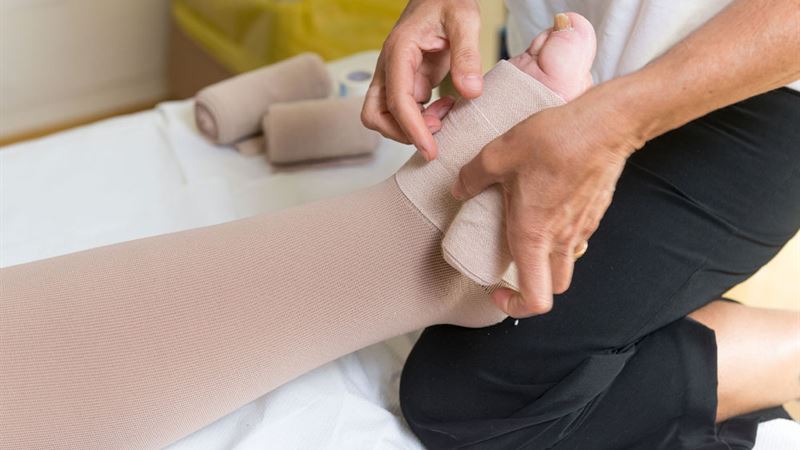
Incorporating suitable exercises into your daily routine can empower you to take control of your health, reduce dependence on medication, and improve your quality of life. This comprehensive guide aims to provide detailed insights into various exercises safe for lymphedema sufferers, emphasizing the importance of professional consultation and proper technique to prevent injury and maximize benefits.
Understanding why exercise plays a vital role in managing lymphedema is essential. The lymphatic system, which functions similarly to a drainage network, carries protein-rich fluids throughout the body. When this system becomes impaired or blocked, fluid accumulates, leading to swelling, often in the limbs or affected areas. Regular exercise stimulates muscle activity, which in turn enhances lymph flow, helping to transport excess fluids away from swollen tissues. Additionally, maintaining a healthy weight through physical activity reduces the burden on your lymphatic system, further alleviating symptoms.
Consistent movement also helps improve joint flexibility, particularly in the knees, hips, shoulders, and arms. This flexibility not only reduces stiffness but also decreases the risk of infections and other complications. For patients with lymphedema, integrated exercise routines are an integral part of a holistic treatment plan that often includes compression therapy and meticulous skin care.
Before embarking on an exercise regimen, consulting your healthcare provider or lymphedema specialist is critical. They can tailor activities suitable for your specific condition, ensuring safety and effectiveness. Starting with gentle movements and progressively increasing intensity allows your body to adapt gradually, preventing strain or injury. Remember, patience and consistency are key to seeing noticeable improvements over time.
Top 10 Effective Exercises to Alleviate Lymphedema Symptoms
Exercise therapy for lymphedema is not just about movement; it is about strategic, targeted exercises that promote lymphatic drainage, boost circulation, and improve overall limb mobility. Incorporating a variety of exercises into your daily routine, beginning with light warm-up stretches, can make a significant difference. Always perform these activities with mindful breathing—deep, diaphragmatic breaths—to optimize lymph flow. Prioritize consulting with your healthcare provider or lymphedema therapist before starting any new exercise program. Here is a detailed list of the most beneficial exercises for managing lymphedema:
Pelvic Tilt
Lie flat on your back with knees bent and feet resting flat on the floor. Engage your abdominal muscles and tilt your hips to press your lower back into the ground. Hold this position momentarily, then slowly release. This exercise strengthens core muscles, supports pelvic stability, and encourages lymphatic movement in the lower back and hips.
Toe Curls
Position yourself on your back with a pillow under your knees to elevate your legs. Tense your toes by curling them tightly, then relax. Repeating this helps activate foot muscles and stimulates lymphatic flow in the lower extremities.
Bridges
Lie on your back with knees bent and feet firmly on the ground, shoulder-width apart. Engage your core muscles and lift your hips upward until your body forms a straight line from shoulders to knees. Hold for a count of 10 to 30 seconds before lowering slowly. This exercise increases gluteal and hamstring strength, while promoting lymph drainage from the pelvis and legs.
Shoulder Rolls
Sit or stand upright and lift your shoulders towards your ears. Roll them backward and then downward in a smooth, continuous motion. Reverse the direction after several repetitions. Shoulder rolls help alleviate tension, improve shoulder mobility, and encourage lymphatic flow in the upper body.
Wrist Circles
Raise your arms overhead or keep them at your sides. Rotate your fists in small, controlled circles in both clockwise and counterclockwise directions, focusing on wrist joint mobility. This movement improves upper limb circulation and lymphatic drainage.
Wrist Flexion and Extension
With arms overhead, slowly flex and extend your wrists in a controlled manner. This activity enhances blood flow and lymphatic movement in the arms and hands.
Fist Clenches
Hold your arms overhead, open your hands, and spread your fingers wide. Then, clench your fists tightly before releasing. Repeating this action stimulates hands and forearms, supporting lymph flow and muscle activation.
Hip and Knee Flexion
Lying on your back, lift one knee toward your chest, hold briefly, then straighten. Alternate with the other leg. This exercise promotes circulation in the lower limbs and facilitates lymphatic drainage from the hips and legs.
Clamshells
Lie on your side with legs stacked and knees bent at 90 degrees. Keeping your feet touching, open your knees apart, then bring them back together. This strengthens hip abductors, stabilizes pelvic muscles, and encourages lymph movement.
Torso Rotations
Lying on your back, gently rotate your torso to one side, holding the stretch for a few seconds. Return to the center and rotate to the other side. This movement increases spinal flexibility and enhances lymphatic circulation in the chest and abdomen.
Guidelines for Safe and Effective Lymphedema Exercise Routine
Starting any new exercise routine should be done gradually. If you haven't been active recently, commence with simple stretching or low-impact activities, gradually increasing the intensity and duration. The principle of consistency is vital—short daily sessions can be more beneficial than sporadic, intense workouts.
Key tips to optimize safety and efficacy include:
- Maintain proper posture to prevent strain and injury.
- Wear properly fitted compression garments or supportive equipment as recommended by your healthcare provider to enhance circulation during exercise.
- Combine different types of exercises—flexibility, strength, and aerobic—to address various aspects of lymphatic health and overall fitness.
- Practice deep breathing techniques during exercises to boost lymphatic flow.
- Monitor for any signs of overexertion or discomfort, and consult your therapist if symptoms worsen.
Developing a tailored exercise plan with your healthcare team ensures that you perform activities suitable for your condition and health status. Adherence to professional advice minimizes risks and maximizes benefits.
Conclusion and Final Insights
The lymphatic system plays a fundamental role in maintaining overall health by managing fluid balance and immune function. When compromised, it leads to conditions like lymphedema, which can significantly affect daily life. Incorporating regular, carefully selected exercises into your routine promotes lymphatic drainage, relieves swelling, enhances joint movement, and mitigates complications.
Beyond exercise, a holistic approach encompassing healthy eating, stringent skin care, proper compression therapy, and regular medical check-ups is essential for effective management. Staying proactive, informed, and consistent in your self-care routines will empower you to handle lymphedema more effectively and enjoy an improved quality of life.
In summary, informed and monitored physical activity is a cornerstone of lymphedema management, fostering better health, mobility, and well-being over time.