
Understanding the Prognosis and Treatment Options for Metastatic Lung Cancer
This comprehensive guide explores metastatic lung cancer, focusing on its prognosis, diagnosis, and diverse treatment options. Learn about the symptoms, diagnostic procedures, and various therapies such as chemotherapy, surgery, and radiation. Understanding the factors influencing outcomes can empower patients to make informed decisions. The article also emphasizes ongoing research efforts and advances in personalized medicine aimed at improving survival and quality of life for affected individuals. Stay updated on the latest developments in metastatic lung cancer management to navigate this complex condition effectively.
Comprehensive Guide to Metastatic Lung Cancer: Prognosis and Treatment Strategies
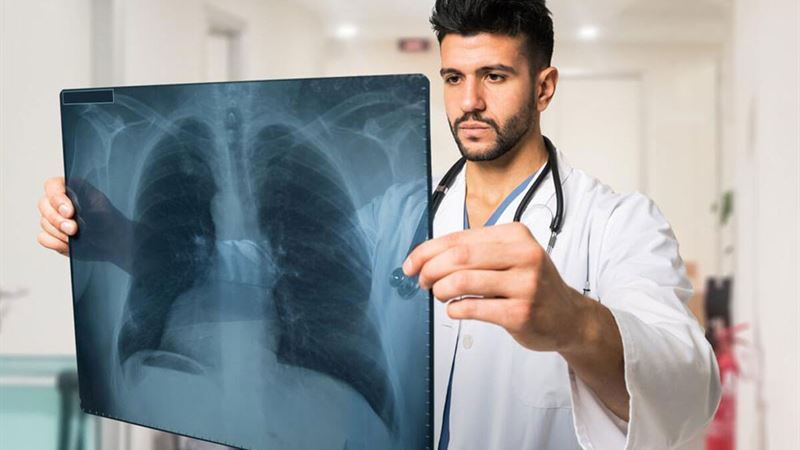
To confirm the diagnosis, doctors employ a variety of diagnostic tests and imaging techniques. Procedures such as bronchoscopy allow direct visualization of the airways and tissue sampling. Imaging studies like chest CT scans and X-rays provide detailed pictures of the lungs, helping to identify tumor size, location, and extent of spread. In some cases, a lung biopsy—using a needle or surgical methods—is necessary to obtain tissue for pathological examination. These diagnostic steps are vital for determining the stage and formulating an effective treatment plan.
Chemotherapy
Chemotherapy remains a cornerstone of treatment for metastatic lung cancer, especially when the disease has spread extensively. It involves the use of potent drugs designed to destroy cancer cells systemically. Oncologists select from over a hundred chemotherapy agents, customizing regimens based on the tumor’s type, genetic profile, and stage. Chemotherapy can effectively reduce tumor size, slow progression, and palliate symptoms. However, it also carries potential side effects such as hair loss, nausea, vomiting, fatigue, decreased immune function, and impact on fertility. Patients need to discuss these implications thoroughly with their medical team to weigh benefits against risks.
Surgical Intervention
In cases where the metastatic disease is confined to limited areas of the lung, surgical removal of tumors may be a viable option. Surgical resection aims to eliminate cancerous tissues and potentially extend survival. Such procedures are typically considered if the primary cancer has been successfully treated or removed, and the metastatic sites are limited in number and location. Surgery requires careful evaluation of the patient’s overall health and lung function to ensure they can withstand the procedure and recover effectively.
Radiation Therapy
This modality uses high-energy radiation beams to target cancer cells precisely. Radiation therapy is especially effective when the metastatic tumors are localized and accessible within the lungs. It can reduce tumor size, relieve symptoms such as pain or breathlessness, and improve lung function. This technique may be used alone or combined with chemotherapy, depending on the individual case. The main limitation of radiation therapy is potential damage to healthy tissues, which must be carefully minimized through advanced delivery techniques.
Laser Treatment
Laser therapy employs focused high-intensity light to destroy cancer cells and reduce tumor burden. This minimally invasive procedure can be performed using bronchoscopy, targeting tumors that obstruct airways or cause bleeding. Although laser therapy can offer quick relief and symptom control, it is associated with certain risks, including bleeding, infection, scarring, and discomfort. It is generally reserved for specific cases where other treatments are contraindicated or have failed.