
Comprehensive Guide to Affordable Housing Options for Low-Income Families
This comprehensive guide explores the criteria, benefits, and amenities of low-income housing programs. It highlights how government initiatives help families access affordable, secure, and well-maintained homes, addressing the rising housing affordability challenges faced by many today. Learn about application processes, facilities, and the importance of these programs for community well-being.
Understanding the criteria for qualifying for low-income housing is essential for families seeking affordable options. These criteria are carefully designed to ensure that those most in need receive support, based on several key factors. Recognizing these factors helps families navigate the application process and increases their chances of securing a safe and affordable home.
- Annual Income Level
- Presence of Disabilities
- Family Size
- Number of Employed Members
- Number of Elderly Family Members
- Citizenship or Residency Status
Once these details are collected, authorities analyze the information to identify families with the most urgent housing needs. The assessment aims to prioritize assistance for those facing the greatest economic challenges.
Currently, numerous low-income housing schemes are operational, and the government continues to develop new projects. The overarching goal is to ensure that every eligible family has access to secure and affordable housing options.
Housing Amenities
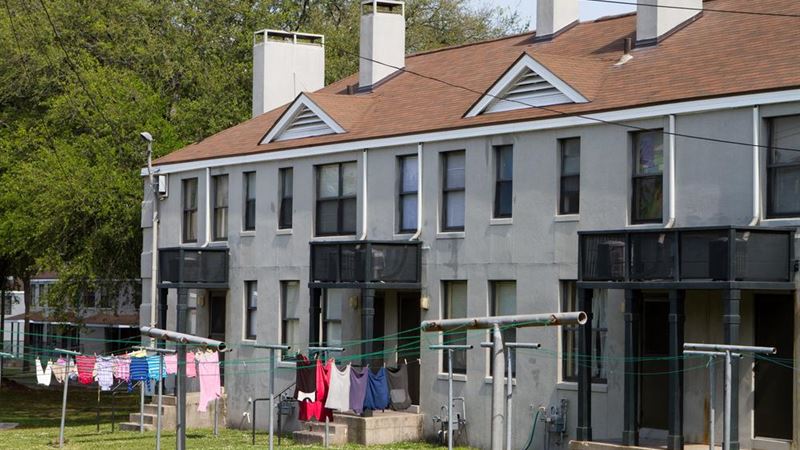
Affordable housing units are equipped with all essential facilities found in regular apartments, ensuring residents' comfort and safety. Since these dwellings are managed by government agencies, they typically uphold higher standards of security and maintenance.
Many low-income housing projects feature additional amenities like convenience stores, community parks, and nearby healthcare facilities. Such proximity enhances residents' quality of life and fosters a sense of community.
The maintenance and cleanliness of these apartments are overseen by dedicated staff, ensuring a hygienic living environment at all times. The support staff regularly conduct inspections and address any issues promptly.
In recent years, property prices and rental rates across cities have skyrocketed, making homeownership and rental increasingly difficult for middle- and lower-income families. Affordable housing programs serve as a vital solution to bridge this gap, providing stable and economical options for families striving for a better life.