Discover the comprehensive advantages of mobile homes as affordable, flexible, and safe living solutions. This detailed guide covers legal regulations, safety standards, financial planning, and choosing the right mobile dwelling, helping you make informed decisions for a comfortable lifestyle. Whether you're looking to relocate or invest, learn how mobile homes can meet your housing needs efficiently and affordably.
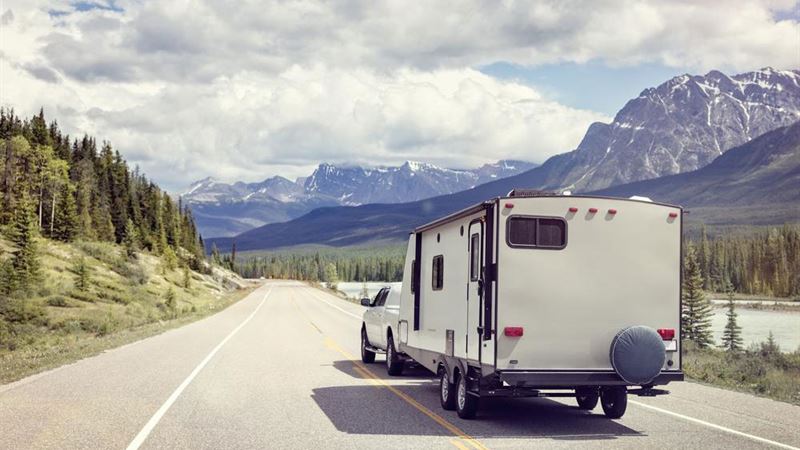
Mobile homes, often referred to as trailer homes or manufactured homes, have gained significant popularity as a flexible and affordable housing alternative in recent years. These dwellings are designed to provide comfortable living spaces while offering mobility, affordability, and customization options that traditional houses may not match. If you are contemplating relocating to a mobile home, understanding the essential aspects—such as legal regulations, health and safety standards, financial considerations, and choosing the right model—is crucial for a smooth transition and satisfactory living experience.
When considering moving into a mobile home, it is vital to familiarize yourself with the legal and regulatory framework governing rental or ownership. Most regions impose specific rules and standards to ensure safety, health, and environmental compliance. Before settling into a new mobile residence, ensure you complete all necessary paperwork, including rental agreements or purchase documents, and verify that the property adheres to local building codes and safety regulations. This proactive approach helps avoid unforeseen complications and guarantees a secure living environment.
Another critical step is assessing the safety and health standards of the mobile home. These dwellings should meet hygiene, electrical, plumbing, and structural safety standards to protect tenants and residents. It is recommended to seek professional inspections or consult local authorities to verify that the mobile home complies with health and safety guidelines. Proper maintenance and adherence to safety protocols are essential to prevent issues such as mold, electrical hazards, or structural damage, ensuring a safe and comfortable living space for you and your family.
Selection criteria are equally important when choosing a mobile home. Consider factors such as security features, size, amenities, and proximity to workplaces, schools, and essential services. Transparency about your expectations with the seller or leasing authority facilitates smoother negotiations and helps you select a unit that aligns with your needs. Security features like locks, surveillance, and neighborhood safety should be prioritized to guarantee your peace of mind.
Financial planning plays a pivotal role in moving into a mobile home. Be clear about all costs involved, including initial rent or purchase price, security deposits, utility charges, maintenance fees, and any other additional expenses. Always clarify the payment schedule and document all agreements beforehand. If you plan to finance your mobile home with a loan, opt for models that are less than 15 years old to streamline approval processes and secure favorable interest rates. Budgeting wisely ensures that your move is financially sustainable and stress-free.
Additionally, consider the long-term benefits and potential enhancements your mobile home can offer. Many models allow customization with modern appliances, energy-efficient systems, and aesthetic modifications that improve comfort and reduce living costs. Regular maintenance, prompt repairs, and compliance with safety standards will extend the lifespan of your mobile home, providing you with a reliable and cozy residence for years to come.
In conclusion, mobile homes are an excellent housing option for those seeking flexibility, affordability, and ease of relocation. By thoroughly understanding legal requirements, ensuring safety and health compliance, making informed financial decisions, and choosing the right model, you can enjoy a comfortable and secure living environment. Whether as a permanent residence or a temporary solution, mobile homes offer a practical alternative to traditional housing, especially in today’s dynamic real estate market.
