
Comprehensive Guide to Professional Lawn Maintenance and Care
This detailed guide explores comprehensive lawn care strategies, helping homeowners and property managers decide between DIY maintenance and professional services. Covering essential techniques like mowing, watering, aeration, overseeding, pest control, and more, it provides insights into creating and maintaining a lush, vibrant lawn. The article also offers tips on selecting reliable lawn care providers, ensuring your landscape remains healthy and beautiful. Perfect for those seeking expert advice on achieving their ideal yard, this expansive resource explains everything needed for successful lawn management.
Understanding Lawn Maintenance and Care: Strategies for a Vibrant, Healthy Landscape
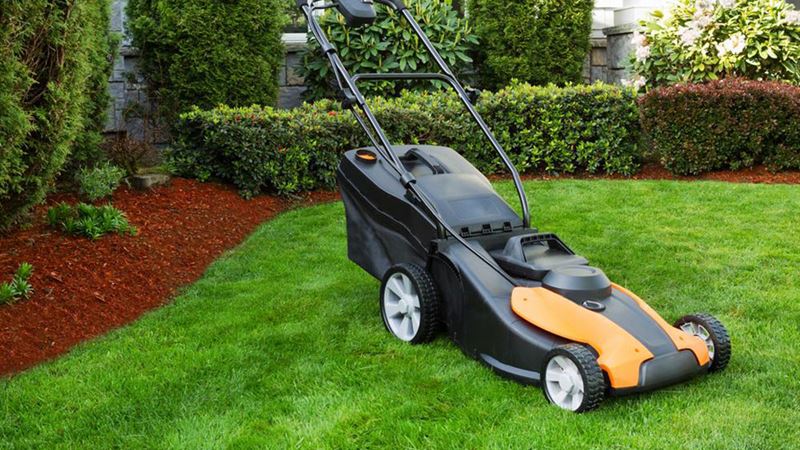
Maintaining a lush, green lawn requires a combination of proper care, consistent effort, and sometimes, professional assistance. Whether you are a homeowner aiming to enhance your yard or a property manager looking to keep multiple landscapes in top shape, understanding the essential lawn care practices is critical. From selecting the right equipment and seeds to implementing effective maintenance routines, this comprehensive guide covers everything you need to know to achieve a picture-perfect lawn.
Key Aspects of Lawn Care:
- Mowing: Regular mowing is fundamental to lawn health. Proper mowing techniques promote dense growth, prevent disease, and improve overall appearance. The optimal height varies depending on grass type; for example, cool-season grasses thrive when kept at 2.5 to 4 inches, while warm-season grasses may need to be mowed shorter, around 1.5 to 3 inches.
- Watering: Adequate watering sustains grass vitality. Deep, infrequent watering encourages deep root growth. Installing automated sprinkler systems with smart controllers allows precise watering schedules, conserving water and reducing waste—especially vital during summer months or in drought-prone areas.
Additional Lawn Care Techniques:
- Aeration: Aerating your lawn involves perforating the soil with small holes to alleviate compaction and improve airflow, water penetration, and nutrient absorption. This process is crucial at least once annually, particularly for heavily trafficked or clay-rich soils, promoting healthier roots and vigorous growth.
- Overseeding: To fill bare patches and enhance turf density, overseeding involves spreading new grass seed over existing lawn areas. Selecting a blend of grass varieties suited to your climate and soil conditions ensures resilient growth and disease resistance.
- Dethatching: Thatch is a layer of organic matter that accumulates between the grass and soil. Excessive thatch hinders water and nutrients from reaching roots. Removal can be achieved naturally or with dethatching tools like vertical mowers, revitalizing your lawn’s health.
- Mulching and Compost Topdressing: Organic topdressing with compost improves soil fertility, structure, and microbial activity. Applying mulch around beds and on lawn surfaces conserves moisture and suppresses weeds, contributing to a thriving landscape ecosystem.
- Fertilization: Proper fertilization reinforces nutritional needs, supporting lush growth and vibrant color. Analysis of your soil helps determine the appropriate fertilizer type and application schedule, avoiding over-fertilizing which can cause runoff and environmental harm.
- Leaf and Debris Removal: Clearing fallen leaves during autumn prevents suffocation and fungal issues. Regular removal maintains a tidy appearance and promotes air circulation within the lawn.
- Hedge Trimming and Shrub Maintenance: Pruning hedges and shrubs shapes the landscape, encourages healthy growth, and removes diseased or damaged branches. Scheduled trimming preserves the aesthetic and structural integrity of plantings.
- Weed Management: Identifying and controlling weeds is essential for a pristine lawn. Using targeted herbicides or manual removal ensures weeds do not compete with grass for nutrients and water.
- Pest and Disease Control: Protecting the lawn from insects, fungi, and other pests prevents damage and maintains overall health. Integrated pest management strategies include monitoring, biological controls, and safe chemical applications when necessary.
Deciding Between DIY and Hiring Professional Lawn Care Services
Before opting for professional lawn care, assess your own capabilities and resources. Self-maintenance can save money, but it demands time, effort, knowledge, and appropriate equipment. Consider the following steps:
- Identify Your Needs: Determine whether your focus is on basic tasks like mowing and trimming or comprehensive care including fertilization, aeration, and pest control. Clearly outlining your requirements simplifies decision-making.
- Assess Your Resources: Evaluate whether you possess or are willing to purchase essential equipment such as mowers, aerators, seed spreaders, and soil testers. Budget considerations include equipment costs versus hiring a service provider.
- Estimate Time and Effort: Reflect on your available time and the level of commitment involved. Consistent lawn maintenance can be time-consuming, and results depend heavily on your dedication and expertise.
Once you've introspected on what you can handle, the next step is selecting the right professional lawn care service. This choice ensures your landscape remains healthy and visually appealing with minimal personal effort.
How to Choose the Ideal Lawn Care Service Provider
When selecting a lawn maintenance company, a careful evaluation process helps ensure you hire reliable, skilled professionals. Here are essential considerations:
- Insurance Coverage: Confirm that the company carries adequate liability and worker’s compensation insurance. Request copies of their insurance certificates to avoid liability in case of accidents or damages during service.
- Range of Services: Understand what services are included. Some providers specialize in specific tasks, while others offer comprehensive landscaping, fertilization, and pest control packages. Match their offerings to your needs for efficiency.
- Employee Background Checks: Ensure that the company conducts thorough background screenings on employees for safety and quality assurance. Hiring reputable providers minimizes risks associated with unverified personnel.
- Customer Service and Support: Reliable providers should have responsive customer service. Whether you need to reschedule, seek advice, or report issues, prompt communication is vital.
In conclusion, maintaining a healthy, attractive lawn involves understanding essential care practices, making informed decisions about DIY vs. professional services, and selecting reliable providers. With proper planning and execution, you can enjoy a beautiful landscape that enhances your property’s aesthetic and value for years to come.