
Comprehensive Guide to Grass Seed Varieties and Expert Lawn Maintenance Strategies
Explore a comprehensive overview of grass seed varieties suited for different climates and lawn types. Discover expert lawn care tips, including mowing, watering, and choosing the right seed for your environment. Achieve a vibrant, healthy lawn with informed decisions and maintenance strategies tailored to your needs.
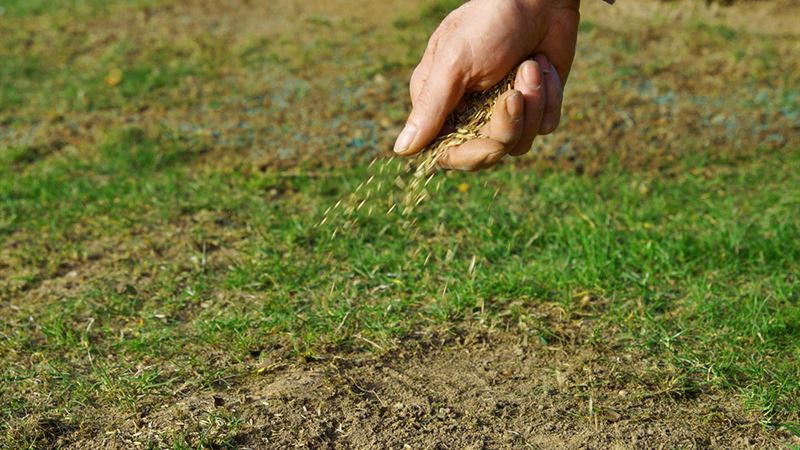
- Bahia Grass Seeds
Bahia grass is renowned for its robustness and adaptability, particularly in poor soil conditions where other grasses may struggle. It is a low-maintenance, drought-tolerant species that grows rapidly without the need for frequent fertilization. Ideal for homeowner landscapes seeking a cost-effective, durable lawn, Bahia grass exhibits good resistance to pests and diseases. However, without proper management, it may produce seed heads that can affect the visual uniformity of the lawn. Regular mowing and light fertilization can help maintain its aesthetic appeal.
- Bermuda Grass Seeds
As one of the most popular warm-season grasses, Bermuda is favored for its vigorous growth and resilience under high temperatures. It is widely used for sports fields, golf courses, and residential lawns owing to its smooth, dense texture and ability to withstand heavy foot traffic. Bermuda grass is highly drought-resistant, requiring as little as one inch of water weekly to stay healthy. Its rapid recovery from damage makes it suitable for households with active children and pets. Additionally, Bermuda's ability to adapt to various soil conditions enhances its popularity among landscapers.
- Perennial Ryegrass Seeds
Known for its rapid germination, Perennial Ryegrass can establish a dense lawn in approximately three weeks, making it an excellent choice for quick repairs or temporary covers. Despite its quick growth, this grass has a relatively short lifespan and tends to decline as the warm season approaches, often needing overseeding for sustained coverage. Its low maintenance requirements and resistance to pests make it a practical choice for both residential and commercial properties seeking immediate aesthetic improvement. Perennial Ryegrass is particularly valued for its ability to thrive in cool-season climates.
- Fine Fescue Seeds
Fine Fescues comprise several species blended together to produce a lush, soft, and environmentally sustainable lawn. Their fine texture and vibrant green hue make them popular for ornamental landscapes and shade-tolerant areas. These grasses require minimal water and fertilizers, reducing maintenance costs and environmental impact. Fine Fescues are also shade tolerant, making them suitable for yards with limited direct sunlight. Their adaptability and low input needs make them an increasingly favored choice for eco-conscious homeowners.
Important Factors to Consider When Selecting Grass Seeds
Choosing the right grass seed involves a careful assessment of multiple environmental and aesthetic factors. Since climatic conditions vary across regions, it’s vital to select grass varieties compatible with local weather, soil, and sunlight. Proper selection ensures the lawn thrives while minimizing maintenance efforts. Consulting with turf specialists or local horticulture experts can provide insights into the best choices for specific environments, leading to healthier, more resilient lawns.
- Climate Compatibility
The regional climate profoundly influences grass performance. Warm-season grasses excel in hot, humid areas, while cool-season grasses flourish in cooler, temperate zones. Understanding local temperature ranges, humidity levels, and seasonal variations helps in choosing species with the highest likelihood of success. Gardeners should research the average frost dates and summer highs to make informed decisions and potentially combine seed varieties suitable for transitional zones. - Sunlight Exposure
Assessing the amount of daily sunlight received by different parts of the lawn guides seed selection. Some grasses, like Bermuda and Bahia, thrive in full sun, whereas others, like Fine Fescues and certain Bluegrasses, perform better in shaded areas. Habitat conditions influence growth density, color, and overall lawn appearance. Properly matching grass types to sun exposure enhances their health and reduces the risk of overwatering or inadequate growth. - Desired Aesthetic Finish
The visual appeal of a lawn is a subjective yet significant consideration. Textures range from fine, soft blades to coarser, more robust foliage. Shade of green, density, and uniformity are critical aesthetic aspects. Select seeds based on whether the goal is a lush, soft carpet or a more rugged appearance resistant to foot traffic. Achieving your preferred look requires understanding how different seed types develop in texture and color over time.
Effective Lawn Maintenance Tips
Maintaining a lush lawn involves consistent effort and strategic practices. While it may seem daunting, focusing on key tasks can significantly improve lawn health and appearance. Regular mowing and water management are fundamental to this process, helping to strengthen grass roots and prevent pest and weed infestations. Implementing these practices thoughtfully ensures your lawn remains vibrant and resilient throughout the year.
- Consistent Mowing
Setting a mowing schedule tailored to the season promotes healthy growth. During peak summer months, weekly trims are ideal to prevent overgrowth and encourage dense, vigorous turf. In cooler seasons, bi-weekly mowing suffices. Proper mowing height varies among grass species; generally, maintaining a height of 2-3 inches helps shade the soil, reduce weed invasion, and improve drought resistance. Sharp blades ensure clean cuts that minimize stress and prevent disease entry points. - Optimal Watering Practices
Watering should be strategic to promote deep roots and drought tolerance. Overwatering can lead to shallow roots and promote fungal diseases, while underwatering causes stress and thinning. Generally, lawns need about one to one and a half inches of water weekly, including rainfall. Water early in the morning to minimize evaporation and to provide adequate moisture throughout the day. Adjust water frequency based on soil type, weather, and grass species, ensuring a balance that maintains lawn vitality.