This comprehensive guide provides detailed insights into HIV and AIDS, explaining how the virus infects the immune system, the stages of infection, symptoms to watch for, and effective prevention and treatment strategies. Understanding these aspects is vital for reducing stigma, encouraging testing, and managing the disease effectively. With medical advancements, living a healthy life with HIV is more achievable than ever, emphasizing the importance of awareness and early intervention.
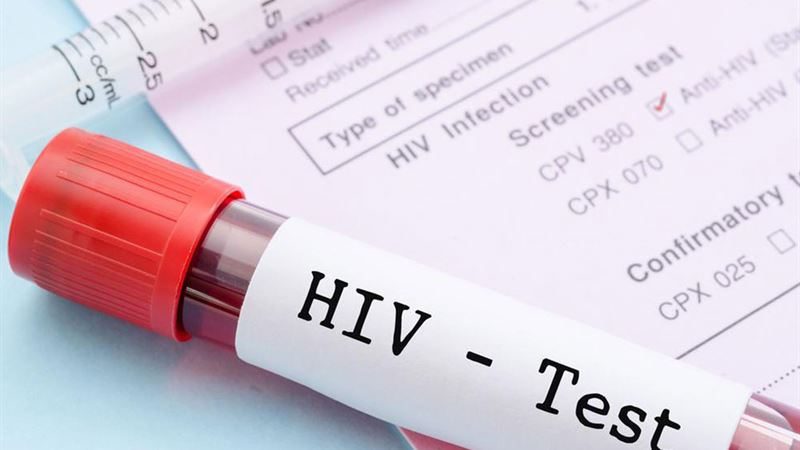
HIV and AIDS are often misunderstood, leading to misconceptions about how the virus is transmitted and its progression. It is crucial to understand that casual contacts such as kissing, sharing utensils, or touching do not spread HIV. Recognizing the differences between HIV and AIDS, along with the infection process, symptoms, and preventive measures, empowers individuals to protect themselves and others effectively.
Understanding the Infection Process
HIV, or Human Immunodeficiency Virus, is a retrovirus that primarily targets the immune system. When the virus enters the body, it begins attacking the immune cells, specifically the CD4+ T lymphocytes, which play a vital role in coordinating immune responses. During this initial phase, many people might not experience noticeable symptoms, making early detection challenging. Nonetheless, the infection begins immediately after transmission, starting the journey that, if untreated, could progress to AIDS over several years.
Once infected, individuals may experience a range of bodily reactions. Typically, within 2 to 4 weeks after exposure, some people develop flu-like symptoms including fever, sore throat, fatigue, swollen lymph nodes, muscle aches, nausea, vomiting, diarrhea, and headaches. These symptoms are often mild and can easily be mistaken for other illnesses. This phase, known as acute HIV infection, usually lasts for a few weeks, and then the immune system partially suppresses the virus, leading to a period with no obvious symptoms. During this phase, the virus remains highly active and continues to replicate rapidly, but the person may feel healthy.
Despite the absence of symptoms, HIV persists in the body, integrating into the DNA of host cells, and steadily compromising the immune system. As the infection progresses, the virus gradually destroys CD4+ cells, diminishing the body's ability to fight off infections and diseases. This ongoing deterioration can take anywhere from 8 to 10 years if untreated, during which the individual may remain asymptomatic or experience non-specific symptoms like fatigue or weight loss. If unchecked, the infection advances towards a stage where the immune system is severely compromised, leading to AIDS.
Progression from HIV to AIDS
As HIV destroys more CD4+ cells, the immune system becomes increasingly weakened. When CD4+ cell count drops below a critical threshold—typically less than 200 cells per cubic millimeter of blood—the individual is considered to have developed AIDS (Acquired Immunodeficiency Syndrome). At this stage, the immune system is unable to mount effective defenses against opportunistic infections and certain cancers. Symptoms become more severe and can include profound weight loss, chronic diarrhea, persistent fevers, night sweats, neurological disorders, and infections that are usually rare in people with healthy immune systems. Without treatment, AIDS is usually fatal, but with proper medication, many patients can live long and relatively healthy lives.
It is important to recognize that HIV transmission occurs primarily through unprotected sexual contact, sharing contaminated needles, transfusion of infected blood, and from mother to child during childbirth or breastfeeding. Casual contact, including hugging, kissing on the cheek, or sharing food and drinks, does not transmit the virus. Preventive measures such as consistent condom use, regular testing, and the use of antiretroviral therapy (ART) are vital in controlling the spread of HIV.
Preventive Strategies and Treatment
Preventing HIV infection relies heavily on awareness, safe practices, and ongoing medical support. Condoms remain the most effective barrier method to reduce transmission during sexual contact. For individuals at higher risk, pre-exposure prophylaxis (PrEP) — a daily medication — can significantly decrease the chance of contracting the virus. Needle exchange programs and safe injection practices are essential for preventing transmission among intravenous drug users. Woman-to-child transmission can be prevented through the proper use of antiretroviral drugs during pregnancy, labor, and breastfeeding.
Nowadays, antiretroviral therapy (ART) has transformed HIV from a fatal disease into a manageable chronic condition. ART involves taking a combination of medications that suppress the replication of the virus, allowing the immune system to recover and strengthen. When adhered to diligently, ART can reduce viral load to undetectable levels, effectively preventing the transmission of the virus to others. Regular medical follow-up is crucial for monitoring treatment efficacy, managing side effects, and maintaining overall health.
Public health initiatives emphasize education, testing, and early diagnosis to curtail the epidemic. Awareness campaigns help dispel myths about HIV transmission, reduce stigma, and promote testing and treatment adherence. Community support and counseling services are also vital in helping individuals cope with diagnosis and maintain healthy lifestyles.
In conclusion, understanding HIV and AIDS—their causes, symptoms, progression, and prevention—is essential in combating the epidemic. With advances in medicine and increased awareness, it is now possible for people living with HIV to lead long, fulfilling lives. The key lies in early detection, consistent treatment, and adopting safe practices to prevent transmission. Continued research and education are critical in the ongoing fight against HIV/AIDS worldwide.
