
Comprehensive Overview of HIV Infection: Symptoms, Diagnosis, and Modern Treatment Strategies
This detailed article explores the symptoms of HIV across all stages, emphasizing the importance of early detection and modern treatment options. It provides a comprehensive overview of initial signs, chronic phase symptoms, and advanced HIV/AIDS manifestations, along with insights into the latest antiretroviral therapies that have transformed HIV into a manageable condition. Understanding these aspects can help individuals seek prompt diagnosis and effective treatment, ultimately improving health outcomes and reducing transmission risks.
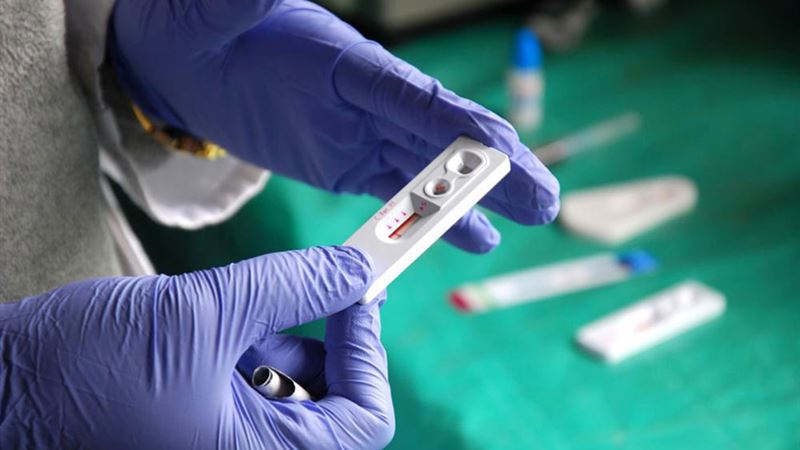
HIV (Human Immunodeficiency Virus) remains a significant global health challenge, affecting millions of people worldwide. Recognizing the symptoms associated with different stages of HIV infection, understanding the importance of early diagnosis, and exploring effective treatment options are crucial steps in managing this condition effectively. In this extensive guide, we will delve into the various symptoms experienced during the initial, chronic, and advanced stages of HIV, discuss diagnostic methods, and provide insight into current treatment approaches that have transformed HIV from a fatal disease into a manageable chronic condition.
Early signs of HIV infection often present as flu-like symptoms, which can be mistaken for other illnesses, making early detection challenging. These initial symptoms usually manifest within 2 to 4 weeks after exposure to the virus. Common early symptoms include fever, rash, muscle aches, joint pain, headaches, swollen lymph nodes, and sore throat. Recognizing these signs and getting tested promptly are vital to controlling the spread of the virus and initiating effective therapy.
HIV Symptoms in the Clinical Latency Stage
The clinical latency period, also known as the asymptomatic or chronic HIV infection stage, follows the initial acute phase. During this period, the virus is active but reproduces at very low levels, often causing minimal symptoms. Individuals may feel well, and this stage can last for several years—sometimes over a decade—without significant health issues, especially with proper antiretroviral therapy (ART). However, without treatment, the virus continues to weaken the immune system gradually.
Some mild, often overlooked symptoms may occur during this stage, including:
- Persistent low-grade fever
- Ongoing diarrhea
- Fatigue and exhaustion
- Unintentional weight loss
- Frequent yeast infections or other viral illnesses
Most individuals remain unaware of their HIV status during this period unless tested. Therefore, routine screening and testing are essential for early detection, especially for at-risk populations.
Progression to Advanced HIV Infection and AIDS
If untreated, HIV typically advances over the course of years into AIDS (Acquired Immunodeficiency Syndrome), the most severe phase of HIV infection. During this stage, the immune system has been significantly damaged, making the body vulnerable to opportunistic infections and certain cancers. Symptoms become more severe and persistent, drastically impairing quality of life.
The hallmark signs and symptoms of AIDS include:
- Persistent or recurring high fever
- Profuse night sweats
- Significant weight loss
- Chronic diarrhea lasting longer than a week
- Skin rashes and sores that do not heal
- Extreme fatigue and weakness
- Sores in the mouth, including thrush
- Long-lasting swelling of lymph nodes
- Recurrent pneumonia and respiratory infections
- Mental health issues such as depression and memory loss
Recognition of these symptoms should prompt immediate medical attention and testing to confirm HIV status and initiate treatment strategies.
Modern Approaches to HIV Treatment
Advancements in HIV research and medication have dramatically improved survival rates and quality of life for those living with the virus. Antiretroviral therapy (ART) remains the cornerstone of HIV treatment, aiming to suppress viral replication, preserve immune function, and prevent disease progression.
Early diagnosis and initiation of ART are critical. The ideal time to start treatment is immediately after testing positive, regardless of symptom presence. This approach not only benefits individual health but also decreases the risk of transmitting the virus to others.
HIV treatment involves a combination of various antiretroviral drugs, generally prescribed as a regimen tailored to the patient's health status, disease stage, and potential drug interactions. Typically, a combination of three or more drugs from at least two different classes is used to prevent the virus from developing resistance.
Current treatment plans are highly personalized. Regular monitoring of the viral load and CD4 cell count helps physicians adjust medications to optimize effectiveness. The ultimate goal of HIV therapy is to reduce the viral load to undetectable levels, thereby significantly lowering the risk of transmission and improving patient outcomes.
In addition to medicated treatments, comprehensive care includes managing co-infections like hepatitis, providing mental health support, and encouraging lifestyle modifications such as proper nutrition, regular exercise, and avoiding substance abuse.
With ongoing research, new medications, and better understanding of the virus, many individuals living with HIV can expect a near-normal lifespan and an improved quality of life. Continuous adherence to treatment, routine healthcare visits, and safe practices are key components of successful long-term management of HIV.