
Comprehensive Guide to Buying HUD Foreclosure Properties
Discover comprehensive strategies for buying HUD foreclosed homes. Learn how to find listings, determine eligibility, prepare documents, and explore financing options like FHA, VA, and USDA loans. This guide provides valuable insights for first-time buyers and investors seeking affordable properties and renovation opportunities, ensuring a smooth and informed purchasing process.
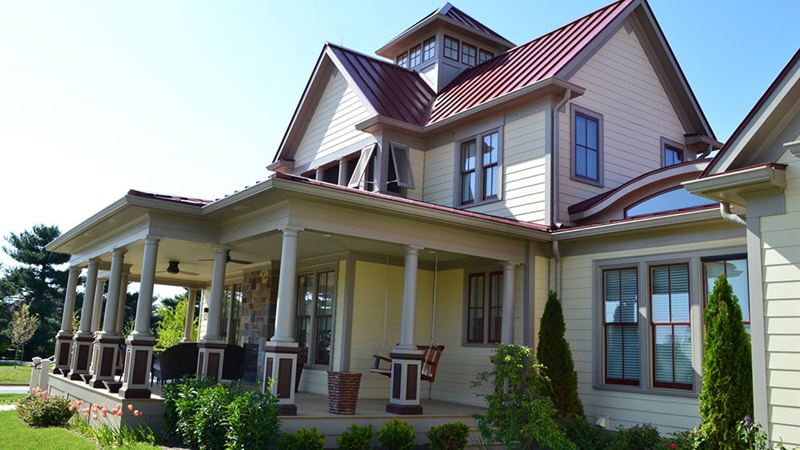
HUD homes are typically sold 'as-is', meaning they come without any warranties or guarantees regarding their condition. This is important for buyers to consider, as these homes may need significant repairs or renovations before they are move-in ready. Due to this, many people refer to HUD properties as fixer-uppers. The fact that these homes are sold below market value is tied directly to their condition, with appraisals factoring in necessary repairs and improvements that may be required upon purchase.
This lower cost makes HUD homes particularly appealing to first-time homebuyers, low-to-moderate income families, or investors looking for renovation projects. The affordability aspect opens up homeownership opportunities for individuals who might not have access to traditional financing options or who are seeking properties they can customize to their preferences. Understanding how to locate, evaluate, and finance HUD homes is essential for anyone interested in this segment of the real estate market.
- Research the Official HUD Home Store Website: The primary resource for locating HUD properties is the official HUD Home Store website. It offers a comprehensive, regularly updated database of all available HUD homes. Use the 'Search Properties' feature to find listings in your preferred location by entering maintainable parameters such as city, zip code, or state.
- Expand Your Search Area: While starting locally is advantageous, broadening your search to include neighboring regions or across your entire state can uncover more opportunities. This is particularly useful if local listings are scarce or sell quickly. Using postal codes or city identifiers helps narrow down results to your desired areas.
- Check Listings Frequently: HUD homes are highly sought after, so their listings often update daily. It's crucial to monitor the website regularly—preferably daily—to catch new listings early before they are snapped up. Consistent checking increases your chances of securing a property of interest.
- Engage a HUD-Approved Real Estate Agent: Partnering with a licensed agent specializing in HUD properties can streamline the buying process. These agents have access to exclusive listings and understand the nuances of bidding and closing on HUD homes. They can also advise on the best offers and help navigate potential bidding wars.
- Individuals qualifying as seniors or those with disabilities are often eligible for HUD-assisted purchases.
- Applicants must demonstrate U.S. citizenship or possess an eligible immigration status.
- If residing in substandard or unsafe housing, you might qualify under certain HUD programs.
- Households spending over half their income on rent may be prioritized, especially under specific HUD initiatives.
- Income limits apply; typically, your gross income must not exceed 80% of your area's median income, although this can vary depending on location.
- Proof of Income: Recent pay stubs covering the last four pay periods or a notarized statement can verify your earnings.
- Social Security Documentation: A recent award letter confirms your benefits and eligibility.
- Bank Statements: Recent bank account statements help demonstrate your financial situation.
- Personal Identification for Household Members: Birth certificates and social security cards are necessary for each household member to establish identity and eligibility.
- Advantages of FHA Loans: FHA loans are designed with flexible approval criteria, such as lower credit score requirements and lenient income verification. This makes it easier for individuals with less-than-perfect credit or limited savings to qualify.
- Mortgage Insurance Considerations: FHA loans typically require mortgage insurance premiums paid over the life of the loan. These premiums can be eliminated if you refinance into a conventional mortgage once you build sufficient equity.
- FHA 203(k) Rehabilitation Loan: For HUD homes that need extensive repairs, the FHA 203(k) program bundles the purchase price and renovation costs into a single loan. This approach simplifies the acquisition and improvement process, especially beneficial when buying fixer-uppers.
- VA Loans: Beneficial for eligible veterans, these loans often require zero down payment and favorable terms.
- USDA Loans: Available for rural or suburban properties, offering zero down payment options to qualifying applicants.
- Conventional Loans: With as little as 3% down, these are increasingly accessible for buyers who can meet lender criteria.