
Ultimate Guide to Finding Top-Rated Laminate Flooring Installers in 2025: Costs, Tips, and Expert Advice
Discover comprehensive tips to select the best laminate flooring installers in 2025. Learn how to evaluate professionals, understand costs, and undertake DIY installation with confidence. This guide offers expert advice for homeowners seeking quality, affordability, and durability in their flooring projects, ensuring a smooth renovation experience and a stunning finished look that elevates your home’s aesthetic and value.
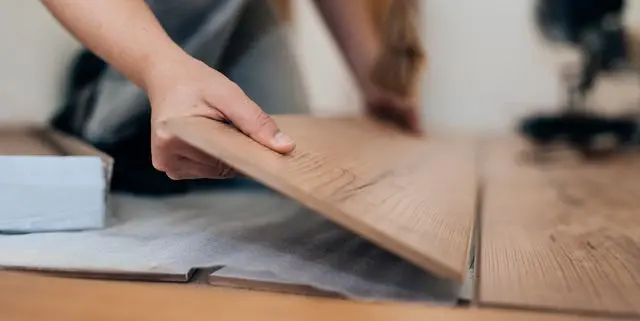
Comprehensive Strategies for Selecting the Best Laminate Flooring Contractors Near You in 2025
Choosing the right contractor for laminate flooring installation is crucial for ensuring longevity, aesthetic appeal, and value for money. With numerous options available, it’s essential to understand what to look for, how to evaluate different providers, and what costs to expect. This extensive guide aims to empower homeowners and property managers with the knowledge needed to find reputable laminate flooring installers in their vicinity, compare pricing effectively, and complete their flooring projects with confidence.
1. Conduct Thorough Research and Read Customer Feedback
- Online Reviews and Ratings: Dive into platforms such as Google My Business, Yelp, and Angie's List to assess the reputation of local installation companies. Focus on consistent high ratings, detailed customer testimonials, and resolution of negative feedback to gauge reliability and quality.
- Personal Recommendations: Ask friends, family, neighbors, or colleagues who recently had laminate flooring installed about their experiences. Personal referrals often lead to trustworthy providers with proven track records.
2. Prioritize Experience, Credentials, and Skillset
- Look for contractors with extensive experience specifically in laminate flooring installation. An experienced crew is better equipped to handle unexpected challenges and detailed finishings.
- Verify certifications, manufacturer-trained credentials, and memberships in professional flooring associations, which indicate a commitment to quality and ongoing education.
3. Evaluate Service Offerings and Turnkey Solutions
- Ensure that the contractor provides comprehensive services, including site evaluation, subfloor preparation, installation, finishing, and cleanup. Full-service contractors save you time and streamline the project.
- Additional services like furniture moving, old flooring removal, and disposal might be available—ask about these options upfront.
4. Transparent and Itemized Pricing
- Request detailed estimates that break down costs for labor, materials, upgrades, and optional services. Clear pricing helps prevent surprises and aids in budgeting.
- Avoid contractors who provide vague or overly low estimates that could indicate hidden fees or compromised quality.
5. Superior Customer Support and Communication
- Select a company known for attentive customer service, clear communication, and timely responses. A cooperative team enhances the overall experience and reduces misunderstandings.
Step-by-Step Process for DIY Laminate Flooring Installation
If you’re inclined to undertake the project yourself, follow this detailed guide to achieve professional results without hiring an installer.
1. Essential Tools and Materials
- Laminate flooring planks
- Underlayment (if required)
- Measuring tape and pencil
- Utility and circular saws
- Straightedge and square
- Spacers to maintain expansion gaps
- Rubber mallet and tapping block
- Pull bar for tight-fitting planks
- Vacuum or broom for cleaning
2. Prepare Your Workspace
- Make sure the subfloor is clean, dry, smooth, and free from debris. Remove any existing flooring, nails, or staples.
- If uneven, use leveling compounds to create a flat surface, crucial for a stable installation.
3. Acclimate Your Laminate Flooring
- Unpack the planks and leave them in the room where they'll be installed for at least 48-72 hours. This allows the material to adjust to temperature and humidity, reducing post-installation warping or gaps.
4. Measure and Plan Your Layout
- Accurately measure the room dimensions, noting doorways, vents, and obstructions. Plan for a staggered pattern with at least a 6-inch offset between seams for a natural look.
- Draw a guideline along the longest wall to start laying the first row straight and aligned.
5. Install the Underlayment
- Lay out the underlayment without overlaps, ensuring all edges are aligned. Secure with tape if needed to prevent shifting.
6. Begin Laying the First Row
- Place the first row along the longest wall, putting the tongue sides facing inward. Use spacers to leave the recommended expansion gap (usually 1/4 inch).
- Cut the final plank to fit, maintaining the gap.
7. Continue Installing the Remaining Rows
- Start each new row with a cut piece to achieve a staggered pattern. Connect planks using the tongue-and-groove system, tapping with a rubber mallet and tapping block for a tight fit.
- Ensure consistent gaps and seamless connection across rows.
8. Cut Around Obstacles and Edges
- Use a jigsaw or circular saw to cut planks around door frames, vents, or pipes. Remember to keep the expansion gap around all edges for safety and durability.
9. Finalize the Installation
- Remove spacers and install baseboards or quarter-round moldings to conceal expansion gaps. Clean the floor thoroughly and inspect for loose boards.
10. Maintain and Care for Your New Floor
- Follow manufacturer guidelines for cleaning and caring for laminate flooring. Use gentle cleaning products and avoid excessive water to prolong its lifespan.
2025 Cost Breakdown for Laminate Flooring Installation
Understanding the financial aspect helps in planning your project effectively.
Determinants of Installation Expenses
- Size and Complexity of the Space: Larger rooms require more materials and labor; intricate layouts with cuts, angles, and obstacles increase costs.
- Quality of Laminate Material: Premium laminates or those with special features such as thicker planks, enhanced water resistance, or decorative patterns generally cost more.
- Condition of Subfloor: If the existing subfloor needs repair, leveling, or replacement, expect additional costs.
- Additional Services: Removing old flooring, furniture moving, and underlayment installation can add to the quote.
Typical Price Estimates
The national average for professional installation ranges from $3 to $8 per square foot, exclusive of the material costs, which can be between $1 and $5 per square foot depending on quality and brand. Complex projects or high-end materials can push costs higher.
Getting Accurate Quotes from Local Experts
Contact multiple licensed and insured contractors in your area for estimates. To ensure transparency and value, consider these factors:
- Detailed and Itemized Quotes: Require comprehensive estimates that clarify labor, materials, and extras.
- Check Credentials: Verify licenses, insurance coverage, and references to ensure professionalism and reliability.
- Read Reviews: Assess online reputation through reviews and testimonials.
- Warranty and Support: Confirm warranty coverage for both work and materials to protect your investment.
Summary and Final Tips
Deciding whether to install laminate flooring yourself or hire professionals hinges on skill level, budget, and time. Regardless of your choice, understanding the process, costs, and benefits helps you make informed decisions. Careful selection of experienced, reliable installers, along with detailed planning, ensures you end up with a beautiful, durable floor that enhances your home’s appeal and value.