
Innovative 3D Printing in Modern Flooring: The Future of Laminate Surfaces
Discover how 3D printing is revolutionizing laminate flooring, offering customized designs, eco-friendly options, and faster installation. Explore the future of interior decor with innovative, durable, and aesthetically versatile flooring solutions powered by cutting-edge technology. Perfect for homeowners and designers seeking innovative, sustainable options that mimic natural materials with impressive realism.
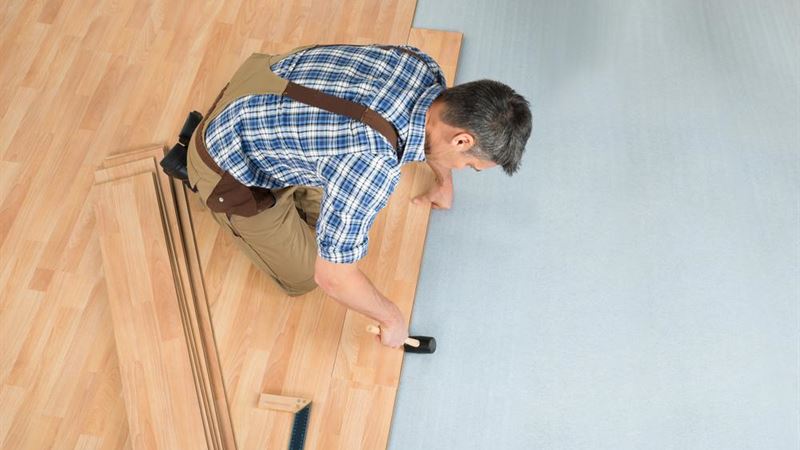
In today’s rapidly advancing technological landscape, 3D printing has become a transformative force across various industries, reshaping how products are designed, manufactured, and customized. One of the remarkable applications of this technology is in the realm of flooring, particularly laminate flooring that combines aesthetics, durability, and versatility. While many associate 3D printing with complex, futuristic projects like homes and medical devices, it’s also revolutionizing something as commonplace yet essential as your flooring.
Over the past decade, the capabilities of 3D printing have expanded exponentially. Originally used for prototypes and small-scale manufacturing, it now enables the creation of complete structural components, decorative surfaces, and intricate patterns with exceptional precision. This technological leap means that laminate flooring—often chosen for its affordability and visual appeal—can now be manufactured using advanced 3D printing techniques, offering numerous benefits such as customization, cost-efficiency, durability, and eco-friendliness.
Imagine walking into your home and experiencing a beautifully crafted floor that appears to be made from natural wood, stone, or even bespoke designs tailored specifically to your taste—all achieved through cutting-edge 3D printing. This isn’t just a futuristic concept; it’s a reality that's already taking shape in the flooring industry. 3D printed laminate floors are capable of mimicking the intricate grains and textures of natural materials with remarkable authenticity, providing homeowners with more options than ever before.
Furthermore, the process of laminate flooring production has been significantly optimized through 3D printing. Traditional manufacturing methods often involve multiple layers, adhesives, and lengthy processes. In contrast, 3D printing allows for the direct fabrication of the multilayered surfaces, reducing waste, speeding up production times, and enabling rapid customization. This technology also opens doors for innovative design opportunities, such as personalized patterns, logos, or artistic motifs embedded directly into the flooring surface.
Beyond aesthetic improvements, 3D printed laminate flooring boasts enhanced physical properties. The ability to precisely control the material composition enables the creation of surfaces that are more resistant to water, scratches, and wear. This is ideal for high-traffic areas or environments prone to moisture, such as kitchens and bathrooms. Additionally, 3D printing can incorporate sustainable materials, making flooring options more environmentally friendly by reducing waste and energy use during production.
One of the standout advantages of leveraging 3D printing in flooring is the potential for modular and rapid deployment. Modular flooring systems can be designed with interlocking features that facilitate easy installation and replacement. Architects and interior designers can quickly experiment with different designs and layouts without the need for extensive manufacturing setups. This flexibility shortens project timelines and reduces costs, making high-quality, customized flooring accessible even for smaller projects or renovations.
Innovation in laminates also means that consumers can access a myriad of finishes, colors, and textures. Using 3D printing technology, manufacturers can produce ultra-realistic visual effects such as wood grains, marble patterns, or abstract art, all embedded seamlessly into the surface layers. This high level of detail enhances the visual depth and tactile experience of the flooring, elevating interior aesthetics to new heights.
Moreover, this technology supports sustainability initiatives. As it enables precise material usage, waste is minimized, and recyclable or eco-friendly materials can be integrated directly into the printing process. This aligns with growing consumer demand for environmentally responsible products, making 3D printed laminate floors an appealing choice for eco-conscious homeowners and businesses alike.
In addition to residential applications, commercial spaces benefit greatly from 3D printing’s flexible design capabilities. Retail stores, offices, and hospitality venues can deploy unique, branded, and visually striking flooring solutions that reinforce their identity and elevate the customer experience. Artistic patterns and custom logos can be embedded directly into the floor, creating immersive environments that captivate visitors and clients.
Looking ahead, the integration of 3D printing with other emerging technologies such as augmented reality (AR) and artificial intelligence (AI) promises even greater customization and efficiency. Homeowners will be able to virtually design their floors using user-friendly software, visualize the finished product in real-time, and then produce it with a simple press of a button. This seamless flow from conception to installation democratizes high-quality flooring, making personalized design accessible to everyone.
In summary, the revolution brought about by 3D printing is transforming how we create, personalize, and install flooring solutions. With its ability to mimic natural textures, reduce waste, speed up production, and facilitate bespoke designs, 3D printed laminate flooring stands at the forefront of modern interior design. As technological advancements continue to evolve, we can expect even more innovative and sustainable flooring options that blend beauty, durability, and smart engineering—truly shaping the future of interior spaces.