
The Ultimate Guide to Selecting the Ideal Water Heating System for Your Home
Discover comprehensive guidance on choosing the perfect water heater for your home. Learn about different types, energy efficiency ratings, sizing, fuel sources, installation, and maintenance tips. Make an informed decision to enhance comfort, save energy, and reduce costs with expert advice tailored for homeowners seeking reliable hot water solutions.
Assessing Your Household’s Hot Water Requirements
Embarking on the journey to choose a new water heating system begins with a thorough assessment of your household’s hot water needs. Understanding how much hot water your family consumes daily is crucial in selecting an appropriate unit. Factors to consider include the number of residents, the number of bathrooms, and your typical usage patterns for daily activities such as showering, dishwashing, laundry, and cooking. Larger families or homes with multiple bathrooms will require higher capacity systems, while smaller households might benefit from more compact models. Accurately estimating your hot water demand helps prevent overbuying or underestimating, ensuring efficiency and cost-effectiveness in the long run.
Exploring Different Types of Water Heaters
Water heaters come in various models, each tailored to meet specific household needs and preferences. Familiarity with these types allows you to make an informed decision that balances performance, energy efficiency, and budget considerations.
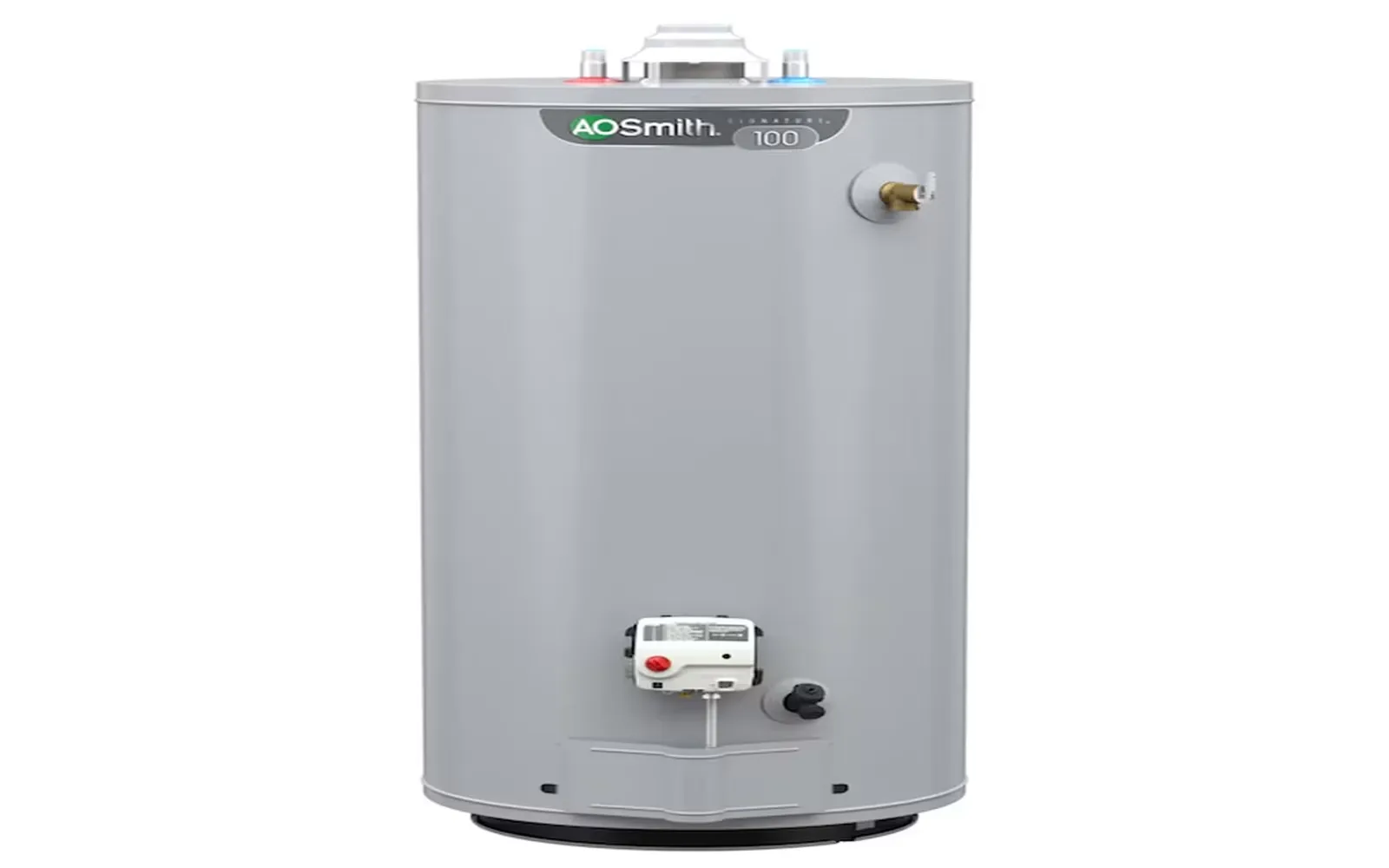
- Traditional Tank Water Heaters: These are the classic models that store a specific volume of hot water in a insulated tank, typically ranging from 20 gallons to 80 gallons. Their straightforward design makes them easy to install and maintain. They tend to be more budget-friendly initially but can incur higher operational costs due to standby heat loss, which occurs when heat escapes from the tank when not in use.
- Tankless or On-Demand Water Heaters: Known for providing hot water only when needed, these units heat water directly through electric or gas burners without storing it. They are compact, energy-efficient, and capable of supplying an endless flow of hot water, making them ideal for modern homes that prioritize efficiency and space conservation. However, their flow rate limitations should be considered for larger households with simultaneous demands.
- Heat Pump Water Heaters: These innovative systems harness environmental heat from air or ground sources to heat water, resulting in high energy efficiency and significant savings on electricity bills. They are environmentally friendly but may require more space and proper ventilation for optimal performance.
- Solar Water Heating Systems: By utilizing solar panels, these systems collect sunlight to turn it into heat, which then warms the water. Although installing solar water heaters involves higher upfront costs, they offer substantial savings over time and reduce reliance on traditional energy sources. They are also an eco-conscious choice for homeowners aiming to reduce their carbon footprint.
Understanding Energy Efficiency Ratings and Certifications
Efficiency plays a vital role in the overall cost-effectiveness of your water heater. The clearer you are about energy consumption, the better your decision will be. Look for ratings like the Energy Factor (EF) or the Uniform Energy Factor (UEF), which quantify the appliance’s efficiency. The higher these ratings, the less energy your unit consumes to provide hot water. Additionally, models with the ENERGY STAR label meet strict efficiency standards set by environmental agencies, guaranteeing reduced energy usage and lower utility bills. Selecting energy-efficient models not only benefits your wallet but also contributes to environmental sustainability.
Size and Capacity Considerations
Choosing the appropriate size is vital to ensure your hot water needs are met without wasting energy. For tank water heaters, the First Hour Rating (FHR) measures how much hot water the unit can deliver in an hour—an essential factor for larger households. For tankless systems, flow rate capacity, expressed in gallons per minute (GPM), determines how much hot water is available simultaneously. Oversized units lead to unnecessary energy consumption, while undersized units may struggle to keep up with demand. Proper sizing based on your household’s usage patterns ensures optimal performance and energy efficiency.
Fuel Source Options and Their Impact
The choice of fuel significantly influences operational costs, installation requirements, and environmental impact. Common sources include:
- Electricity: Electric water heaters are straightforward to install, require less maintenance, and are versatile for various settings. Their operational costs depend on local electricity rates, which can be high in certain areas. They are an excellent choice where gas is unavailable or impractical.
- Natural Gas: Gas-powered water heaters generally offer higher efficiency compared to electric models and typically lower operating costs in areas with affordable natural gas. They require proper ventilation and professional installation to ensure safety.
- Propane: In rural or off-grid locations lacking natural gas pipelines, propane offers a reliable alternative. These units can be highly efficient but may involve additional setup costs for propane tanks and plumbing.
- Solar Energy: Solar water heaters harness sunlight to generate hot water, offering a renewable and eco-friendly option. Although the initial investment is higher, ongoing energy costs are significantly reduced, making it a sustainable long-term choice.
Installation and Routine Maintenance for Longevity
Proper installation by licensed professionals ensures your water heater operates safely and efficiently from the start. It also guarantees compliance with local building codes. Maintenance is equally important; regular tasks like flushing the tank to remove sediment buildup, inspecting the anode rod to prevent corrosion, and checking for leaks extend the lifespan of your unit and maintain performance. Most manufacturers recommend annual inspections and maintenance routines. Regular upkeep not only preserves efficiency but also helps you avoid costly repairs and replacements down the line.
Budgeting and Cost Analysis
When planning your investment, consider both upfront costs and long-term operational expenses. Cheaper models may seem attractive initially but could lead to higher energy bills and more frequent repairs. Higher-quality, energy-efficient units often have higher purchase prices but pay off in lower utility bills, increased durability, and reduced maintenance costs over time. Don’t forget to include installation fees—professional installation is critical for safety and efficiency—and factor in potential incentives or rebates available for energy-efficient appliances in your region.
Making an Informed Decision
The key to selecting the best water heating system lies in understanding your household’s unique needs while balancing efficiency, capacity, and budget. Conduct thorough research, compare different models and features, and seek advice from qualified HVAC or plumbing professionals. A well-chosen heater enhances your home’s comfort, reduces energy costs, and provides reliable hot water for years to come. Taking the time to evaluate all options ensures you make a decision that aligns with your lifestyle and financial goals.
Final Thoughts on Choosing the Right Water Heater
Ultimately, selecting the appropriate water heater is about finding the best fit for your household’s specific hot water demands, energy preferences, and budget constraints. Understanding the different types, efficiency ratings, fuel options, and maintenance requirements empowers you to make a confident choice. With proper installation and regular upkeep, your water heater can serve reliably for years, providing comfort, convenience, and peace of mind. Start by evaluating your needs thoroughly, consider the long-term benefits of energy-efficient models, and consult with professionals to ensure optimal performance. With these steps, you will enjoy consistent hot water supply and significant savings for many years ahead.