
Comprehensive Guide to Selecting the Perfect Water Heater for Your Home
Discover an in-depth guide to choosing the perfect water heater for your home. Learn about tank vs. tankless options, capacity planning, quality, efficiency, safety, and maintenance tips to ensure reliable hot water and energy savings tailored to your household's needs.
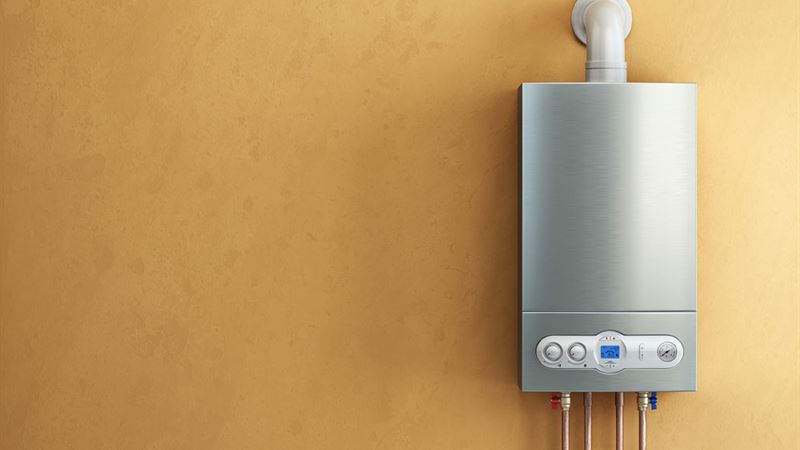
Choosing the right water heater is a crucial decision that impacts your daily comfort, energy bills, and the longevity of your appliance. With numerous options available in the market, understanding the key factors to consider can help you make an informed purchase. This comprehensive guide explores the different types of water heaters, their capacities, quality considerations, energy efficiency, safety features, and more to help you select the best unit tailored to your household’s needs.
Tank vs. Tankless Water Heaters: An In-Depth Comparison
The two primary types of water heaters are traditional tank models and tankless systems. Each has its advantages and considerations catering to different household requirements. Tank-type water heaters, also known as storage water heaters, feature a sizable insulated tank that holds a predetermined amount of hot water, typically ranging from 20 to 80 gallons. This stored hot water is readily available for household needs such as bathing, laundry, and kitchen tasks. These units usually have an operational lifespan of about 8 to 12 years, depending on maintenance and usage conditions.
In contrast, tankless water heaters, also called on-demand water heaters, heat water directly as it flows through the unit without storing it in a tank. This technology provides an endless supply of hot water and operates at higher energy efficiency levels. The lifespan of tankless systems often extends between 20 and 30 years, making them a durable choice for continuous hot water needs. The decision between tank and tankless models hinges on your household’s water consumption patterns, budget, and energy efficiency preferences.
Understanding Capacity Needs for Your Household
When selecting a water heater, capacity is a critical factor. For tank models, choosing a unit with an adequate storage capacity depends on the number of family members and simultaneous hot water needs. For small households or single individuals, a tank with a capacity of 30 to 40 gallons may suffice, providing enough hot water for routine daily usage.
Larger families or households with multiple bathrooms should opt for larger tanks, typically 50 gallons or more, to prevent running out of hot water during peak times. It's often wise to select a slightly larger capacity than your immediate needs to accommodate unexpected increases in demand, such as guests or additional appliances. Proper assessment of household hot water requirements can prevent inconvenience and ensure efficient energy use.
Evaluating Tank Quality and Durability
The durability and performance of a water heater largely depend on the quality of its tank. Hard water areas, where mineral content is high, pose a risk of mineral buildup and corrosion. Consequently, selecting a tank constructed with corrosion-resistant materials, such as vitreous enamel or stainless steel, can enhance longevity. The inner lining of the tank and the heating elements should be resistant to mineral deposits and corrosion, reducing maintenance needs and preventing early failure.
Regularly inspecting and maintaining the tank helps extend its lifespan. Choosing a reputable brand with high-quality manufacturing standards can also ensure long-term reliable operation.
Energy Efficiency: Saving Costs and the Environment
Energy consumption is a major concern for homeowners when choosing a water heater. Traditional tank systems often consume more energy due to standby heat loss, where heated water cools down and refills over and over. Tankless systems are more energy-efficient because they heat water only when needed, reducing wasted energy.
Modern energy-efficient units can cut your electricity bills by up to 60%, making them a wise investment. Before purchasing, estimate your current monthly electricity expenses and compare how the new unit will impact those costs. Consider options like gas-powered water heaters for alternative, potentially lower-cost energy sources, especially in areas where natural gas is readily available. Look for units with high energy factor (EF) or uniform energy factor (UEF) ratings, which indicate better efficiency.
Prioritizing Safety Features for Peace of Mind
Safety is paramount when installing and operating water heaters. Essential safety features include pressure relief valves to prevent excessive pressure buildup, thermal cutoffs to avoid overheating, and vacuum relief valves to protect against negative pressure scenarios. Ensuring that your chosen model incorporates these safety mechanisms reduces risks associated with malfunction or system failure.
Proper installation, regular maintenance, and adherence to manufacturer instructions further enhance safety. Employing certified technicians during installation can help ensure the system is set up correctly and safely.
Functionality and User-Friendly Features
The usability of a water heater influences daily convenience. Modern units often include LED indicators that display operational status, hot water temperature, and alert notifications for maintenance needs. Some units allow for digital temperature control, enabling precise adjustments for consumer comfort.
Simple controls, quick heating capabilities, and maintenance-friendly designs contribute to a hassle-free experience. When selecting a model, balance advanced features with ease of use to ensure the product meets your household's lifestyle.
Water Quality Considerations
The quality of the water supplied to your home can significantly affect your water heater's performance and lifespan. Hard water, characterized by high mineral content such as calcium and magnesium, can cause mineral buildup inside the tank and clogging of heat exchangers, reducing efficiency and increasing maintenance needs.
To mitigate these issues, consider installing water softeners or filters if your water source is hard. Choose water heaters designed to handle specific water qualities to ensure durability and ongoing performance. Consulting with professionals about water testing can help determine the best system suited for your water conditions.
Warranty and Manufacturer Support
Extended warranty coverage reflects manufacturer confidence in product durability. Most reliable water heaters come with warranties ranging from 3 to 10 years, with some offering lifetime protection on specific components. The tank's warranty often covers issues like leaks or manufacturing defects separately from other parts such as heating elements or sensors.
When selecting a unit, review the warranty terms carefully. Longer warranties usually indicate better quality and support, providing peace of mind against unexpected repairs or defects.
After-Sales Service and Maintenance Support
A robust after-sales support network is essential for troubleshooting, repairs, and routine maintenance. Opt for brands known for responsive customer service, quick dispatch of technicians, and readily available replacement parts. Proper maintenance by professionals prolongs the life of your water heater and optimizes performance.
Regular flushing, anode rod inspection, and thermostat checks are recommended to prevent sediment buildup and mechanical failures. Being proactive and choosing a brand with excellent after-sales service can save you time and money in the long run.
In summary, selecting the right water heater involves evaluating multiple factors, including type, capacity, efficiency, safety features, water quality compatibility, warranty, and after-sales support. Budget considerations also play a vital role. Carefully compare options across different brands and models, keeping in mind your household's specific needs and longevity preferences, to make an educated investment that enhances your home’s comfort and efficiency.