
Comprehensive Guide to Plaque Psoriasis: Symptoms, Causes, and Effective Management Strategies
This comprehensive article provides an in-depth understanding of plaque psoriasis, including its symptoms, causes, triggers, and modern treatment options. It emphasizes managing the condition through personalized therapies, lifestyle adjustments, and ongoing medical care. Empower yourself with knowledge to effectively control psoriasis and improve your quality of life with expert advice and the latest advancements in treatment.
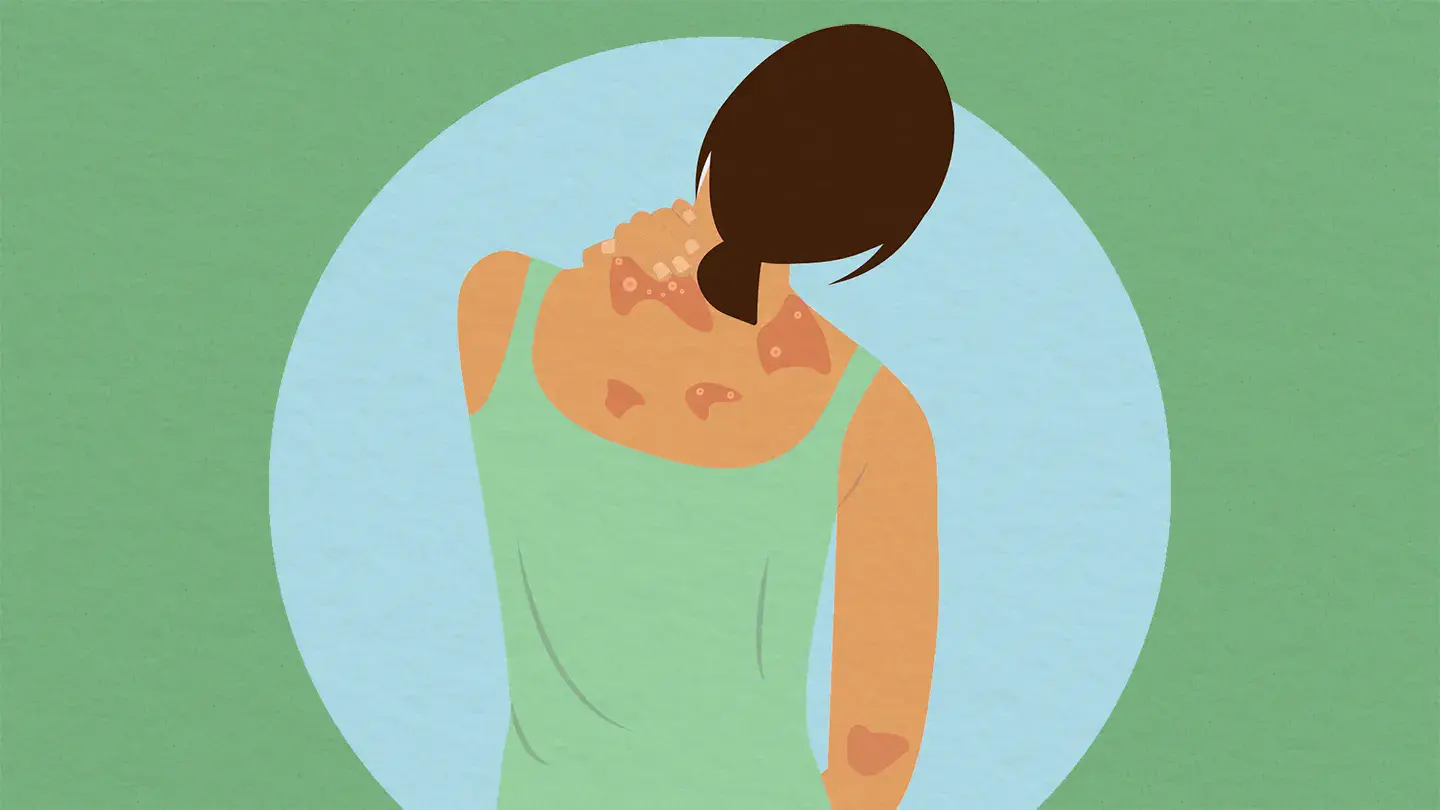
Plaque psoriasis is a prevalent autoimmune skin disorder characterized by thick, red, and scaly patches that can significantly affect a person's well-being. This condition affects millions worldwide and requires a thorough understanding to manage effectively. From recognizing symptoms to exploring various treatment options, this article provides an in-depth look at plaque psoriasis, offering practical advice for those impacted by it.
Understanding Plaque Psoriasis: An In-Depth Overview
Plaque psoriasis, medically known as psoriasis vulgaris, stands out as the most common form of psoriasis, encompassing approximately 80-90% of all psoriasis cases. It is a chronic autoimmune disease that disturbs the normal lifecycle of skin cells. Normally, skin cells renew approximately every 28 days, but in psoriasis, this process accelerates to just a few days, leading to the build-up of dead skin cells on the surface. This buildup manifests as the characteristic plaques, which are often raised, thickened, and covered with silvery-white scales.
This disorder is not contagious but can have a profound impact on a person's physical health and emotional well-being. The exact cause remains elusive, but it's understood that the immune system plays a pivotal role, mistakenly attacking healthy skin tissue, which results in inflammation and rapid skin cell production. Genetic predisposition also plays a part, making some individuals more susceptible than others.
Recognizing the Symptoms of Plaque Psoriasis
Understanding the symptoms of plaque psoriasis is crucial for early diagnosis and management. The primary signs include:
- Distinctive Red Patches: These patches are often sharply defined, elevated, and covered with a silvery or white scale. They can develop anywhere on the body but are most commonly observed on the elbows, knees, scalp, lower back, and genital areas.
- Dry and Cracked Skin: The affected areas tend to become dry, rough, and prone to cracking, which can sometimes lead to bleeding and significant discomfort.
- Intense Itching and Burning Sensations: Many individuals experience persistent itching, which can be severe, alongside a burning sensation that adds to discomfort.
- Nail Changes: Psoriasis can also involve the nails, leading to pitting, discoloration, thickening, or crumbling of the nail surface.
Delving into the Causes and Triggers of Plaque Psoriasis
While the precise etiology of plaque psoriasis remains unclear, current scientific understanding points to a combination of genetic, immune, and environmental factors contributing to its development. These elements interact in complex ways, leading to flare-ups and persistent symptoms.
The key contributors include:
- Genetic Factors: Individuals with a family history of psoriasis are at a higher risk, suggesting a hereditary component. Certain genes related to immune regulation are implicated in predisposition.
- Immune System Dysregulation: Psoriasis is fundamentally an autoimmune condition. The immune system, particularly T-cells, erroneously identifies skin cells as threats, triggering an inflammatory response that accelerates skin cell production.
- Environmental and Lifestyle Triggers: Specific external factors can precipitate or exacerbate symptoms. Common triggers include physical or emotional stress, infections such as streptococcal throat infection, skin injuries or trauma (known as Koebner phenomenon), smoking, heavy alcohol consumption, and certain medications like beta-blockers or lithium.
Exploring Available Treatment Options for Plaque Psoriasis
Though there is currently no cure for plaque psoriasis, a variety of treatments aim to control symptoms, reduce flare-ups, and improve quality of life. Treatment plans are personalized based on disease severity, extent, and patient preferences.
- Topical Therapies: Applied directly to the affected skin, these include corticosteroid creams and ointments to reduce inflammation, vitamin D analogues like calcipotriol to slow skin cell growth, coal tar preparations, and moisturizers to combat dryness.
- Phototherapy: Controlled exposure to ultraviolet (UV) light, particularly UVB therapy, can be effective in reducing plaque thickness and inflammation. This treatment is usually administered in a medical setting over several sessions.
- Systemic Medications: For severe cases, systemic treatments like methotrexate, cyclosporine, or orally administered retinoids are prescribed. In recent years, biologic therapies targeting specific immune pathways—such as TNF-alpha inhibitors, IL-17 inhibitors, and IL-23 inhibitors—have revolutionized management by providing targeted relief and fewer side effects.
- Lifestyle and Self-Care: Adopting a healthy lifestyle can significantly influence disease severity. This includes maintaining good skin hydration, avoiding known triggers, eating a balanced diet rich in anti-inflammatory foods, staying physically active, and avoiding smoking and excessive alcohol intake.
- Stress Reduction Techniques: Since stress is a common trigger worsening psoriasis symptoms, practices such as yoga, meditation, mindfulness, and deep breathing exercises are recommended to help manage stress levels effectively.
Adapting to Life with Plaque Psoriasis
Living with plaque psoriasis presents daily challenges, but with proper management strategies, many individuals lead fulfilling lives. Staying connected with healthcare professionals for routine monitoring, participating in support groups, and educating oneself about the condition can foster better coping mechanisms. Emotional support plays a crucial role, as psoriasis can also affect mental health, leading to feelings of frustration, anxiety, or depression.
Effective Strategies for Managing Symptoms
Implementing proactive measures can control outbreaks and alleviate symptoms. These strategies include:
- Consistently applying prescribed topical treatments and moisturizers to reduce dryness and scaling.
- Maintaining a stable skin pH and avoiding harsh soaps or irritants.
- Identifying personal triggers and creating an environment that minimizes exposure to them.
- Practicing stress management techniques regularly.
- Keeping regular appointments with dermatologists for assessment and treatment adjustments.
Looking Ahead: Advances and Research in Psoriasis Treatment
The field of dermatology continues to evolve, with ongoing research focusing on understanding the underlying mechanisms of psoriasis. New biologic agents, small molecules, and innovative therapies are under development, promising more effective and personalized treatment options in the future. Additionally, gene therapy and stem cell research stand at the forefront of potentially transforming how we treat autoimmune skin diseases like psoriasis.
Conclusion: Empowering Individuals with Knowledge and Care
Plaque psoriasis is a complex, chronic autoimmune condition that manifests through distinctive skin lesions, often accompanied by discomfort and emotional distress. Although incurable currently, advances in medical science offer promising options for effective management. By understanding triggers, adhering to treatment plans, and adopting lifestyle changes, individuals with psoriasis can maintain a better quality of life. Staying informed and supported is key to navigating this condition successfully.