
Comprehensive Guide to Scalp Psoriasis: Causes, Symptoms, and Treatment Options
This comprehensive guide delves into the causes, symptoms, and holistic treatment options for scalp psoriasis. Understanding this autoimmune skin disorder helps sufferers manage flare-ups effectively, improve scalp health, and maintain confidence. Early diagnosis and personalized treatment plans are crucial to controlling symptoms and preventing complications. Learn about therapies, lifestyle tips, and when to seek professional help to live comfortably with scalp psoriasis.
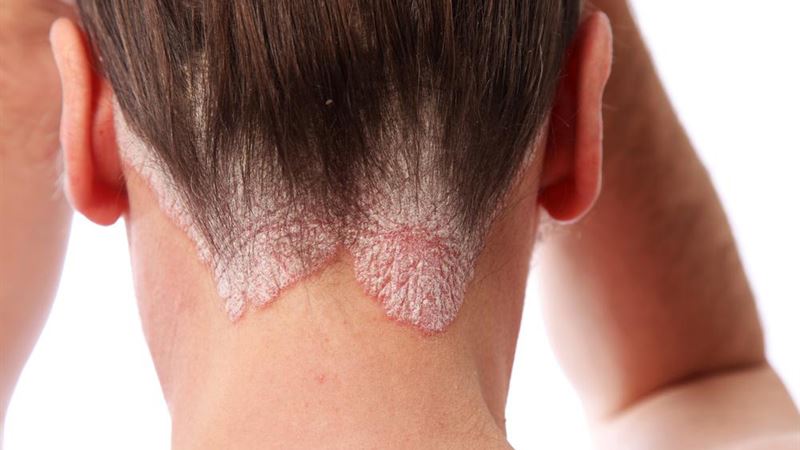
What is Scalp Psoriasis?
Scalp psoriasis is a common, chronic autoimmune skin disorder characterized by the rapid buildup of skin cells on the scalp's surface. This process leads to the formation of thick, silvery-white scales, accompanied by inflammation, redness, and discomfort. Unlike dandruff, which involves dry flakes and mild itching, psoriasis produces more pronounced patches, often with a silvery appearance and persistent symptoms that can affect a person's daily life.
Recognizing the Symptoms of Scalp Psoriasis
- Red patches and plaques: The hallmark symptom includes well-defined red patches covered by silvery, scaly skin. These patches can vary in size and may be itchy or painful. In some cases, the patches might be subtle or difficult to notice, especially in early stages.
- Dry, cracked scalp: The affected skin tends to become dry and cracked, which can lead to discomfort and sometimes bleeding, especially when scratched or combed.
- Intense itching: An essential feature of scalp psoriasis is persistent itching, which can be severe and distressing, prompting scratching that worsens the condition.
- Burning and stinging sensations: Many sufferers experience a burning sensation, particularly during flare-ups, which adds to discomfort and irritation.
- Hair loss: Continuous scratching and inflammation can lead to temporary hair thinning or hair loss in the affected areas. While hair often regrows once the condition improves, persistent scratching could cause more significant hair loss.
- Crusting and flaking: The scales can peel off or develop into crusts, often accompanied by dandruff-like flakes, but with a thicker, more persistent appearance than typical dandruff.
What Causes Scalp Psoriasis?
The exact cause of scalp psoriasis remains unknown; however, it is widely recognized as an autoimmune disorder triggered by an overactive immune response. In individuals with psoriasis, the immune system mistakenly attacks healthy skin cells, leading to rapid skin cell production. This abnormal process results in the buildup of dead skin cells, forming the characteristic scales. Genetic predisposition also plays a significant role, as the condition often runs in families.
Several factors can influence the onset and exacerbation of scalp psoriasis:
- Genetics: A family history of psoriasis increases susceptibility.
- Stress: Emotional or physical stress can trigger or worsen symptoms.
- Infections: Streptococcal infections or other illnesses may act as catalysts.
- Injury or skin trauma: Cuts, burns, or other skin injuries on the scalp can precipitate psoriasis outbreaks.
- Environmental factors: Cold weather, dry skin, and low humidity contribute to flare-ups.
- Lifestyle factors: Smoking, excessive alcohol consumption, and an unhealthy diet can influence the severity.
- Nutritional deficiencies: Lack of essential vitamins and minerals, particularly vitamin D, B12, and zinc, has been linked with psoriasis.
Diagnosing Scalp Psoriasis
If you notice persistent scalp patches, itching, or scaling, it is vital to consult a dermatologist for an accurate diagnosis. Dermatologists will examine the scalp closely, sometimes taking a skin biopsy to distinguish psoriasis from other conditions like dandruff, seborrheic dermatitis, or fungal infections. Proper diagnosis is crucial because treatment strategies differ based on the severity and specific nature of the condition.
Effective Treatment Strategies for Scalp Psoriasis
While scalp psoriasis is a chronic condition without a definitive cure, a combination of treatments can effectively manage and reduce symptoms. The main goals are to lessen inflammation, reduce scaling, ease discomfort, and prevent flare-ups. Here are commonly recommended approaches:
Topical Medications
- Medicated shampoos: Special shampoos containing coal tar, salicylic acid, or selenium sulfide help reduce scaling and inflammation. Regular use can clear scales and soothe irritated skin.
- Topical corticosteroids: These anti-inflammatory ointments or foams are prescribed to reduce redness and swelling during flare-ups. Use as directed by a dermatologist to prevent skin thinning or other side effects.
- Vitamin D analogs: Calcipotriol and similar creams slow down skin cell growth, helping to control symptoms.
- Calcineurin inhibitors: Tacrolimus and pimecrolimus are useful for sensitive areas and can help reduce inflammation without causing skin thinning.
Phototherapy
Exposing the scalp to controlled amounts of natural or artificial ultraviolet (UV) light can significantly improve symptoms. This treatment, known as PUVA or UVB therapy, is usually administered under medical supervision and is effective in reducing inflammation and scaling.
Systemic Medications
In severe cases unresponsive to topical and phototherapy treatments, systemic medications might be necessary. These include:
- Oral retinoids: Help normalize skin cell growth and reduce inflammation.
- Immunosuppressants: Drugs like methotrexate or cyclosporine suppress the immune response to control psoriasis.
- Biologics: Advanced therapies targeting specific immune cells or factors, such as adalimumab or secukinumab, offer promising results for severe cases.
Natural and Adjunct Remedies
Some individuals find relief through natural remedies like aloe vera, coconut oil, or tea tree oil, which can soothe irritated scalp. However, consult your dermatologist before trying any alternative treatments to ensure they complement your primary therapy.
Tips for Managing Scalp Psoriasis Effectively
- Maintain good scalp hygiene, but avoid harsh shampoos and irritants.
- Regularly moisturize the scalp with compatible oils or creams to prevent dryness and cracking.
- Stay away from triggers like stress, smoking, alcohol, and harsh chemicals.
- Follow your prescribed treatment plan diligently.
- Avoid excessive scratching; consider protective hairstyles or gentle combing to minimize trauma.
- Keep a symptom diary to identify personal triggers and monitor flare-ups.
- Seek prompt medical advice whenever symptoms worsen or new symptoms appear.
Preventing Flare-ups and Promoting Scalp Health
Proactive management involves identifying triggers and maintaining scalp hydration. Regularly use gentle, medicated shampoos recommended by your dermatologist. Avoid excessive use of hair products containing alcohol or harsh chemicals that can exacerbate dryness and irritation. Additionally, ensure proper nutrition, stay hydrated, and keep stress levels in check to support overall skin health. If you notice early signs of flare-up, early intervention can reduce severity and duration.
When to Seek Medical Attention
If over-the-counter treatments and home remedies do not produce significant relief after a few weeks, or if symptoms worsen—such as increasing redness, pain, bleeding, or hair loss—consult a dermatologist promptly. Severe scalp psoriasis may require advanced therapies like systemic medications or biologics. Early diagnosis and intervention are critical to prevent complications, including secondary infections and permanent hair loss.
Living with Scalp Psoriasis: Support and Resources
Managing a chronic condition like scalp psoriasis can be challenging emotionally and psychologically. Seek support groups or counseling if needed. Educate yourself about the disease to better understand your triggers and treatment options. Regular follow-up appointments with a healthcare provider ensure optimal management and adjustment of therapies as needed.
Conclusion
While scalp psoriasis presents persistent challenges, understanding its symptoms, causes, and treatment options empowers individuals to take control of their health. A tailored approach combining medical treatments, lifestyle adjustments, and natural remedies can significantly improve quality of life. Early consultation with dermatologists and adherence to prescribed therapies are essential for effective management and reducing the risk of severe complications.