
Comprehensive Guide to Managing and Understanding Plaque Psoriasis
Discover an extensive overview of plaque psoriasis, including causes, symptoms, diagnosis, and effective treatment options. Learn about lifestyle changes and natural remedies that can help manage this chronic autoimmune skin condition, improving quality of life through comprehensive care strategies and informed choices.
Understanding Plaque Psoriasis: Causes, Symptoms, and Treatment Strategies
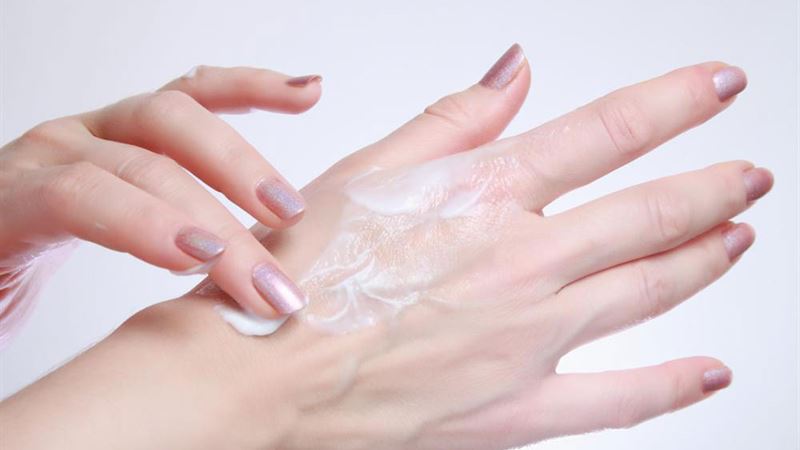
Plaque psoriasis is a prevalent form of chronic skin condition characterized by thick, inflamed, and scaly patches on the skin’s surface. Known for its distinctive appearance and recurring nature, this autoimmune disorder affects millions worldwide, affecting quality of life and self-esteem. This comprehensive guide delves into every aspect of plaque psoriasis, from its etiology and clinical features to diagnosis, treatment options, lifestyle modifications, and natural remedies, providing a detailed resource for patients, caregivers, and healthcare professionals.
What Is Plaque Psoriasis? An In-Depth Overview
Plaque psoriasis manifests as large, well-defined lesions that are reddish in color with silvery, flaky scales. These plaques are often raised and can vary in size from small coin-like patches to extensive areas covering large portions of the body. The disease can be classified based on the extent and distribution of these patches:
- Localized psoriasis: Plaques confined to specific regions, such as elbows, knees, or scalp.
- Generalized psoriasis: Widespread plaques affecting multiple areas, including joints, trunk, and extremities.
Recognizing the Symptoms of Plaque Psoriasis
Symptoms vary across individuals but generally include:
- Red, inflamed patches of skin that are raised and well-defined
- Scaly surface with a silvery sheen, often flaking off
- Cracked, dry, and sometimes bleeding skin
- Intense itchiness and burning sensations
- Skin soreness and discomfort
- Thickened or ridged nails, and in some cases, nail lifting
- Swelling and tenderness in joints, indicative of psoriatic arthritis
These plaques can appear anywhere but are most frequently found on elbows, knees, scalp, lower back, palms, soles, and facial areas. The size can range from small to extensive patches covering large skin areas.
Underlying Causes and Pathogenesis
Plaque psoriasis is fundamentally an autoimmune disorder where the immune system mistakenly targets healthy skin cells, prompting excessive cell production. Normally, skin cell turnover takes about 28 days; in psoriasis, this process accelerates to just 3-7 days, leading to a buildup of dead cells that form plaques. The disease involves an overproduction of inflammatory proteins, notably tumor necrosis factor-alpha (TNF-α), which drives this abnormal growth.
While the precise trigger remains elusive, it is known that genetic predisposition plays a significant role. Approximately 30% of individuals with psoriasis have a family history, yet not everyone with genetic susceptibility develops the disease, implying environmental factors influence disease manifestation.
Factors Contributing to Plaque Psoriasis Development
Various internal and external factors can trigger or exacerbate psoriasis episodes:
- Smoking and tobacco use
- Psychological stress and mental health issues
- Physical injuries to the skin, such as cuts, scrapes, or sunburn
- Infections like streptococcal throat infections
- Certain medications, including beta-blockers, lithium, and antimalarials
- Environmental changes, such as weather fluctuations
- Alcohol consumption
- Dietary habits and nutritional deficiencies
Environmental and lifestyle factors can provoke flare-ups, emphasizing the importance of holistic management strategies.
Diagnosing Plaque Psoriasis
Prompt and accurate diagnosis is crucial for effective management. A dermatologist begins with a comprehensive review of the patient's medical history, including symptom onset, duration, and any associated health issues. Visual examination reveals characteristic plaques, but a biopsy may be necessary in ambiguous cases to distinguish psoriasis from other skin conditions like eczema or fungal infections.
Biopsy involves taking a small skin sample and examining it under a microscope, revealing hallmark features like epidermal hyperplasia, elongated rete ridges, and inflammatory infiltrates. The severity of psoriasis is often categorized as mild, moderate, or severe, based on the percentage of body surface area involved and symptom intensity.
Current Treatment Modalities for Plaque Psoriasis
Since psoriasis is a chronic but manageable disease, treatments focus on controlling symptoms, reducing flare-ups, and improving quality of life. The therapeutic approach depends on disease severity, extent, and patient preferences. Treatments aim to slow keratinocyte proliferation and modulate immune responses.
Topical Therapies
These are the first line of treatment for mild cases or localized plaques:
- Corticosteroid creams and ointments: Reduce inflammation and suppress immune activity.
- Vitamin D analogs (calcipotriol, calcitriol): Normalize skin cell growth and reduce scaling.
- Coal tar preparations: Alleviate itching and diminish scales, safe for long-term use.
- Salicylic acid: Promotes shedding of flaky skin and enhances absorption of other drugs.
- Moisturizers and emollients: Maintain skin hydration, decrease itching, and improve barrier function.
Phototherapy
For more extensive involvement, controlled exposure to ultraviolet (UV) light—either UVB or PUVA—is effective. Phototherapy slows down skin cell proliferation and reduces inflammation. Sessions are conducted in clinics or at home under medical supervision, generally several times weekly.
Systemic Treatments
When psoriasis becomes severe or unresponsive to topical treatments, systemic medications are prescribed:
- Oral or injectable drugs: Methotrexate, cyclosporine, acitretin, which suppress immune activity.
- Biologics: Targeted therapies like adalimumab, etanercept, infliximab, and secukinumab specifically inhibit inflammatory cytokines such as TNF-α or interleukins.
- Emerging therapies: Small-molecule inhibitors and newer biologics aim to improve efficacy while minimizing side effects.
Exploring Natural and Complementary Remedies
While conventional treatments remain primary, natural remedies can complement therapy to enhance comfort and skin health. It is vital to consult healthcare providers before initiating any alternative approaches.
- Aloe Vera: Known for its soothing and anti-inflammatory properties, pure aloe vera gel can be applied directly to plaques to reduce redness and irritation. Fresh gel extraction involves peeling a leaf, trimming the edges, and scooping out the mucilaginous substance, avoiding the yellow sap which may cause irritation.
- Coal Tar: Using shampoos or creams containing coal tar can effectively reduce scalp scaling and itchiness with minimal side effects, suitable for long-term use.
- Omega-3 Fatty Acids: Found in fish oil, flaxseeds, and walnuts; these can help lessen systemic inflammation when used regularly, especially when combined with phototherapy.
- Essential Oils: Lavender, chamomile, and ylang-ylang oils may promote relaxation and reduce stress—a known psoriasis trigger. Diffusing these oils or adding a few drops to bathwater can be beneficial.
- Warm Water Baths: Soaking in lukewarm water enhanced with colloidal oatmeal or baking soda can soothe inflamed skin. Patting dry gently and sealing in moisture with hypoallergenic creams helps maintain skin hydration.
- Lifestyle and Dietary Changes: Quitting smoking, limiting alcohol intake, managing stress through meditation, and establishing consistent sleep patterns are vital components of disease management.
Sunlight Exposure and Nutritional Considerations
Sunlight triggers vitamin D synthesis, which modulates immune responses and may reduce psoriasis severity. Regular, brief early morning sun exposure—about 10-15 minutes—can be helpful, but sunscreen should always be applied to prevent skin damage.
Diet plays a crucial role in managing psoriasis:
- Foods to include: Omega-3-rich foods like salmon, mackerel, flaxseeds, and walnuts; antioxidant-rich vegetables and fruits such as berries, spinach, and carrots; and healthy fats from nuts and avocados.
- Foods to avoid: Processed foods high in sugar and saturated fats, gluten-containing products (if sensitive), and alcohol, which can worsen inflammation and trigger flare-ups.
Long-Term Outlook and Management Strategies
Although plaque psoriasis is a lifelong condition without a definitive cure, it can be effectively managed with a combination of medications, lifestyle adjustments, and dietary modifications. Continuous follow-up with healthcare providers ensures treatment plans are optimized to prevent exacerbations and maintain skin health, thereby significantly improving the patient's quality of life.
Ultimately, adopting a holistic approach that includes skincare, dietary improvements, stress management, and appropriate medical therapy is the key to controlling this persistent skin disorder.